"Domsun is Christian breakbeat"
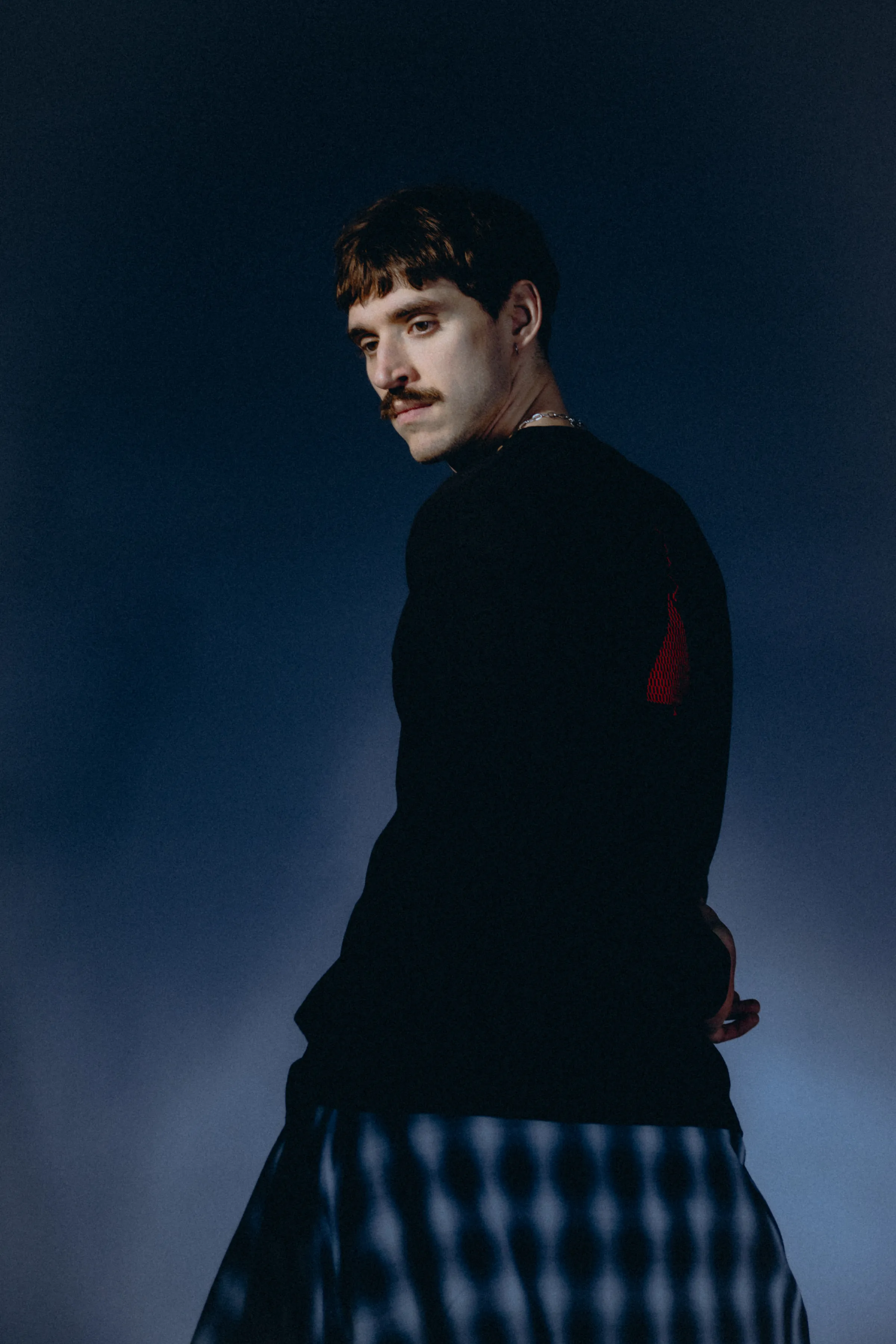
Domsun interview and photo shoot
«I’ve let go of high expectations, but music continues to move alongside me»
I can feel my growth in music – it helps me work through certain inner issues.
Interview – Domsun – November 30, 2025
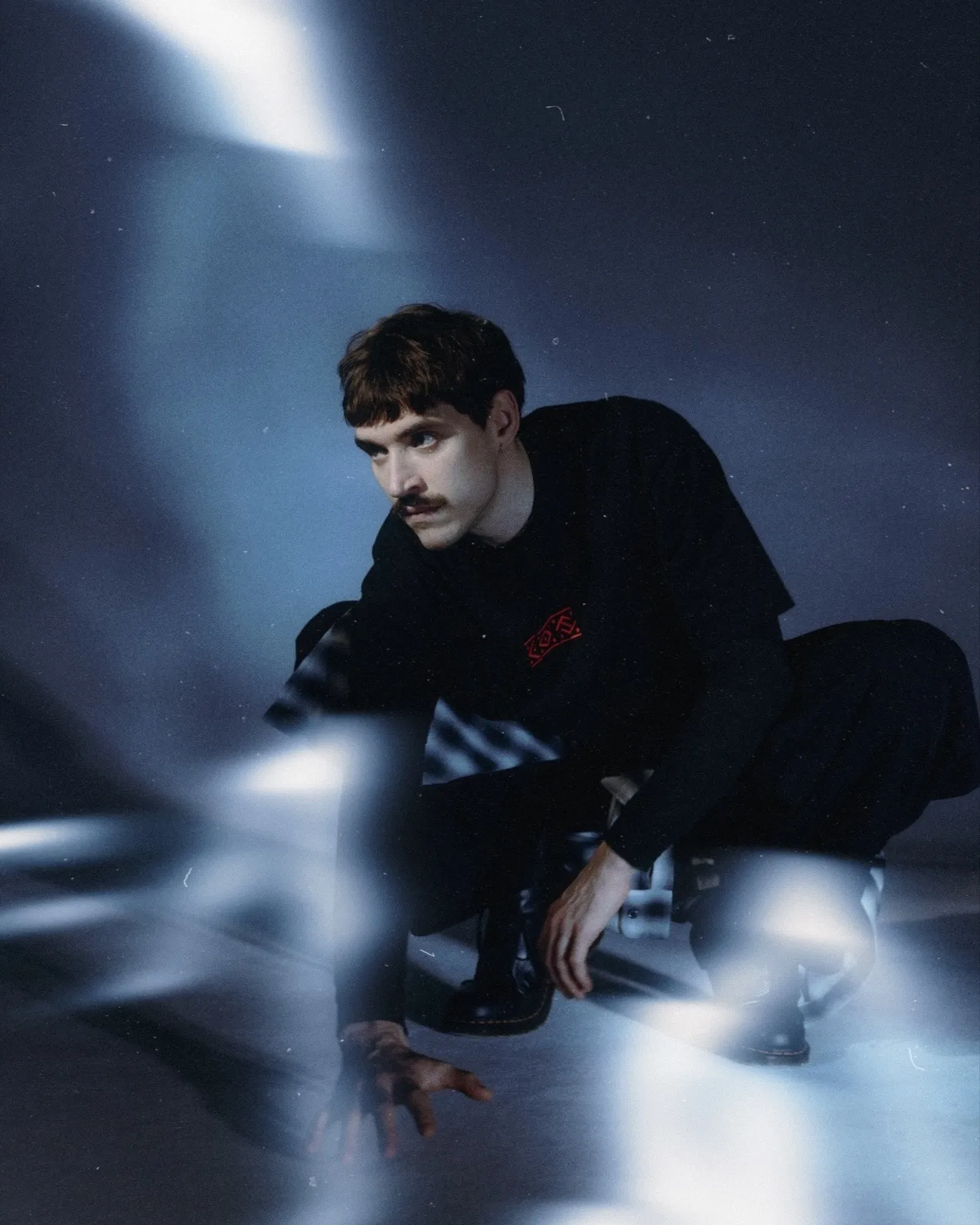
A little background. In August, our editorial team launched a competition for Belarusian musicians called VYKLIK. We received over a hundred applications, went through several rounds of selection, gathered scores from independent juries, tallied the points, and finally found a winner.
The grand prize went to Boris Domsun – a bright, open, and talented electronic musician. We talked for two hours, during which the artist told us about himself, his music, his hobbies, and his experience participating in VYKLIK. He also nearly convinced us to take up dancing, but that's a whole other story.
As a bonus, you'll hear from Vlad Freiman – a producer who helped refine the demo track.
K: Tell us about yourself. Where do you live, what makes you tick?
B: I was born in Minsk and currently live in Poznań, Poland. I moved here more than four years ago. I work as an English tutor. I've always been interested in music and have tried different genres. I also do sound design on commission now.
When I first moved, I got into dancing. So now I'm also a contemporary, hip-hop, and house dancer. Even though I started quite late – at 28 – I got hooked and now recommend it to everyone. I also sing in a choir.
Recently, modelling has entered my life. Things developed very quickly in that field. Within a week, there was a leap from "I haven't even thought about this" to "contract, shoot, paycheck."
K: How did you get into modelling?
B: A manager from a modelling agency reached out to my girlfriend. She offered us to apply for a couple castings. The very next day a casting opened – they were looking for a male model who could dance for an ad. I fit the profile perfectly, so I decided to try. I went straight through to the second round, and a day later they called to say I had the lead role. And there I was in Warsaw at a test shoot, dancing on a table with a film crew around me. For a long time I couldn't believe it was actually happening – there wasn't even time to sit down and process it all in between.
K: Do you plan to develop further in that direction?
B: It's hard to say. Modelling is unpredictable. One day there are shoots, the next there aren't. You can't predict the competition. After my first shoot, I haven't made it past the second round of a casting.
K: Music, choir, dance, modelling... How many hours are in your day and how do you manage it all?
B: It's all thanks to work. English teachers don't work 8 hours a day – that's just unrealistic. I work a maximum of 4 hours a day. And I mostly alternate between hobbies.
K: Tell us about your work as a tutor. Who mostly comes to study?
B: Mostly Russian-speaking students reach out to me through word of mouth. But there have been a few Polish students too. When I moved to Poland, I had already been teaching for some time. So some clients from Belarus stayed with me.
K: A question about language. What do you think about a Slavic accent in songs sung in English?
B: People from the post-Soviet space love to shame themselves for anything and everything. An accent just shows where you're from. It doesn't bother me in music. In lessons, of course, I might correct students. For myself, I just decided to pick up a British accent for fun, and I think people trust a teacher with good pronunciation more.
K: How did music enter your life?
B: My family had a dacha in ‘Syabry’ – a horticultural society outside Minsk. It's essentially a cultural hub, because back in the day dachas were given to various distinguished artists: dancers, painters from Soviet times. There were all kinds of funny characters; it was always amusing to run into some drunk forty-year-old ballet dancer who had retired early and was living his best life.
I had a friend there – the son of an artist. My family had no connection to the arts at all; they just bought a dacha there. And it was this friend who inspired me to try strumming a guitar. He sang songs, played – the girls liked it. And that's how I started learning.
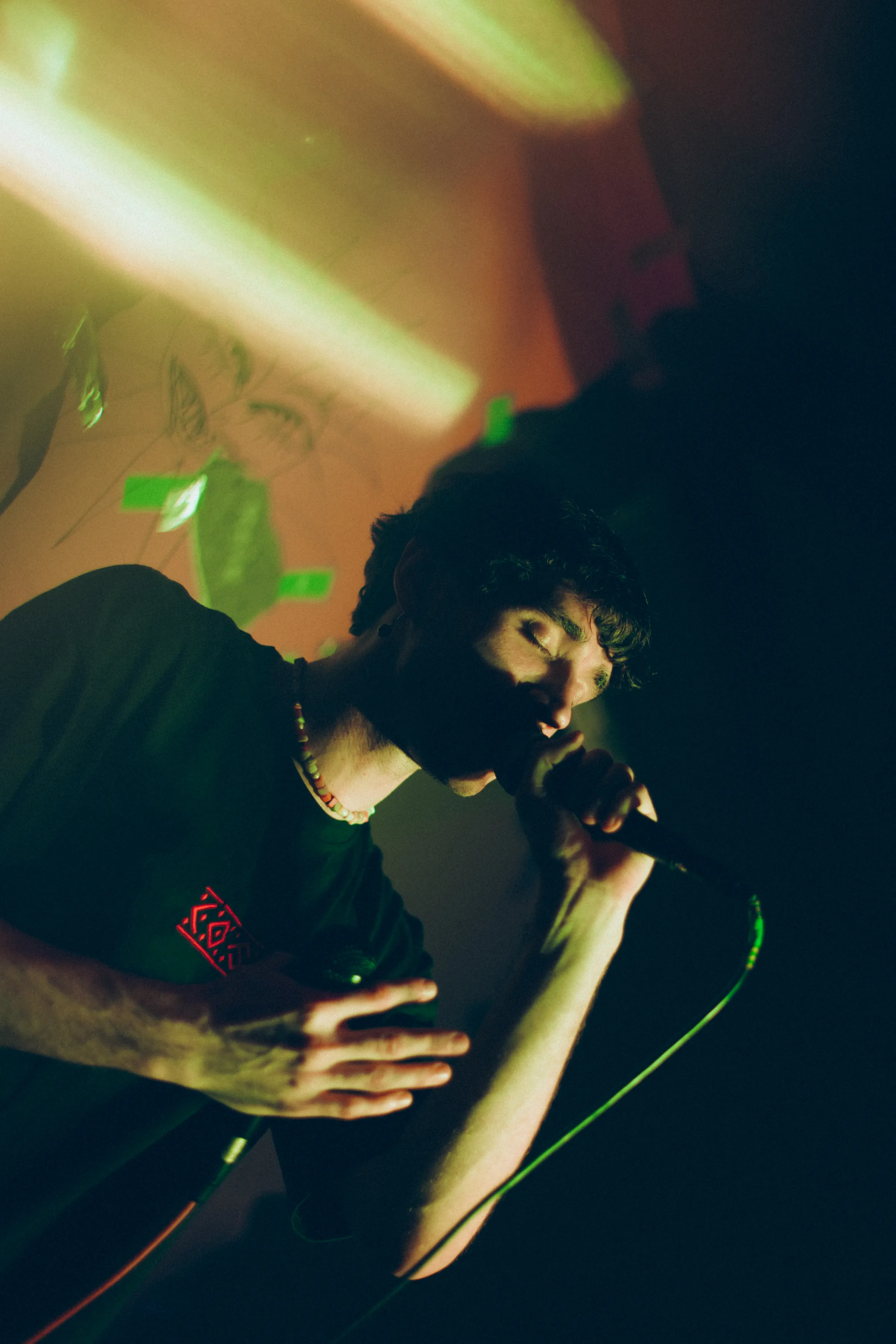
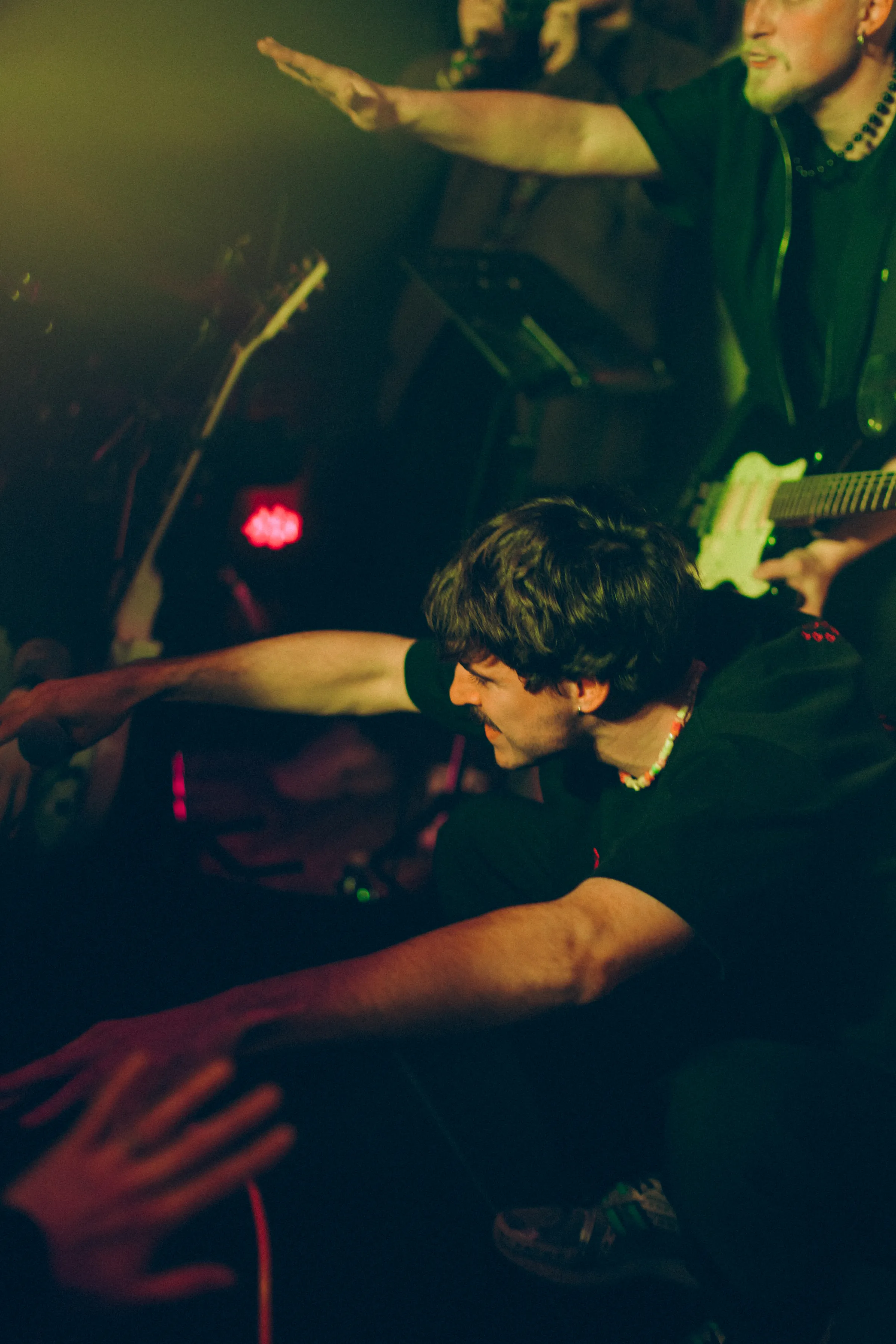
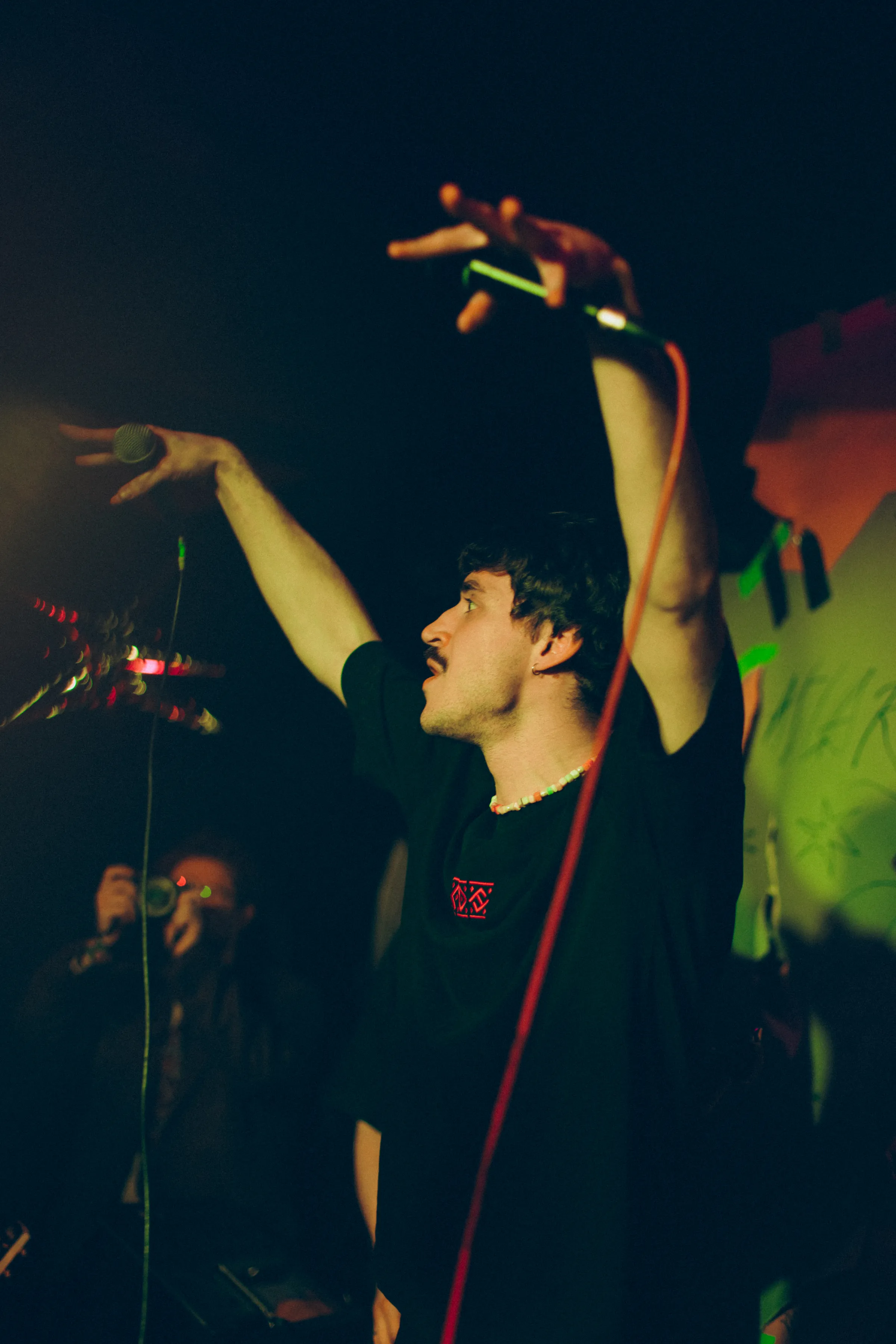
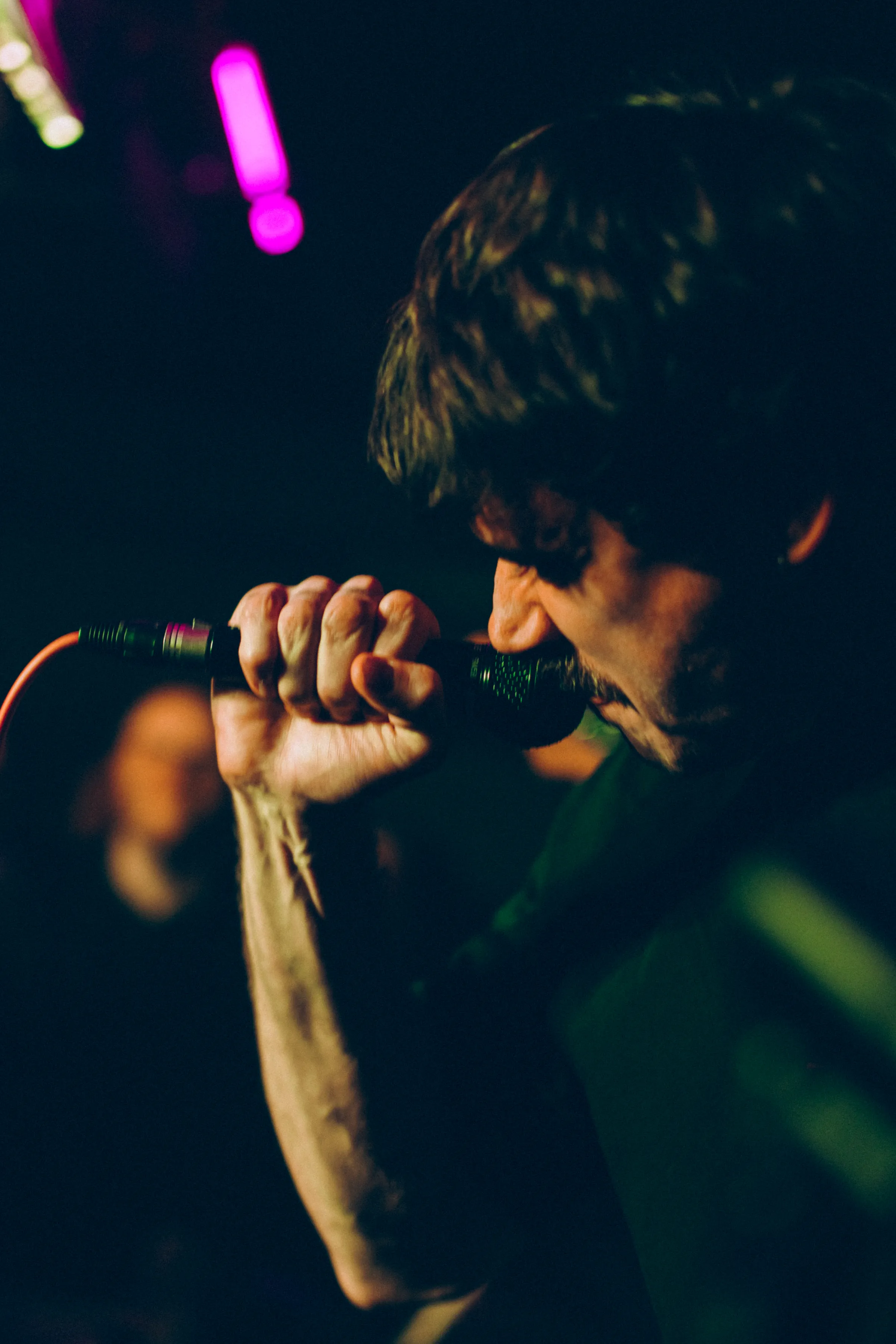
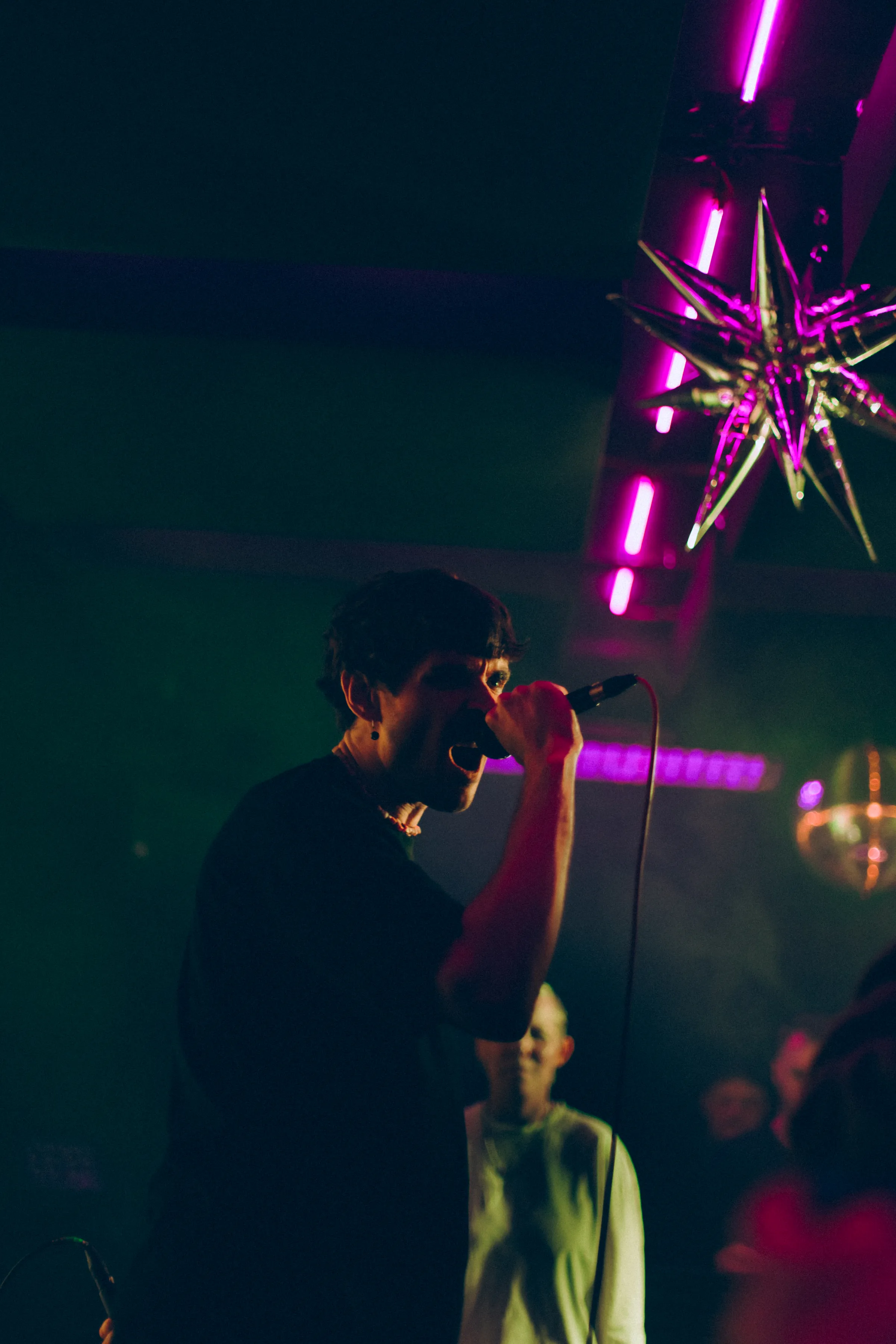
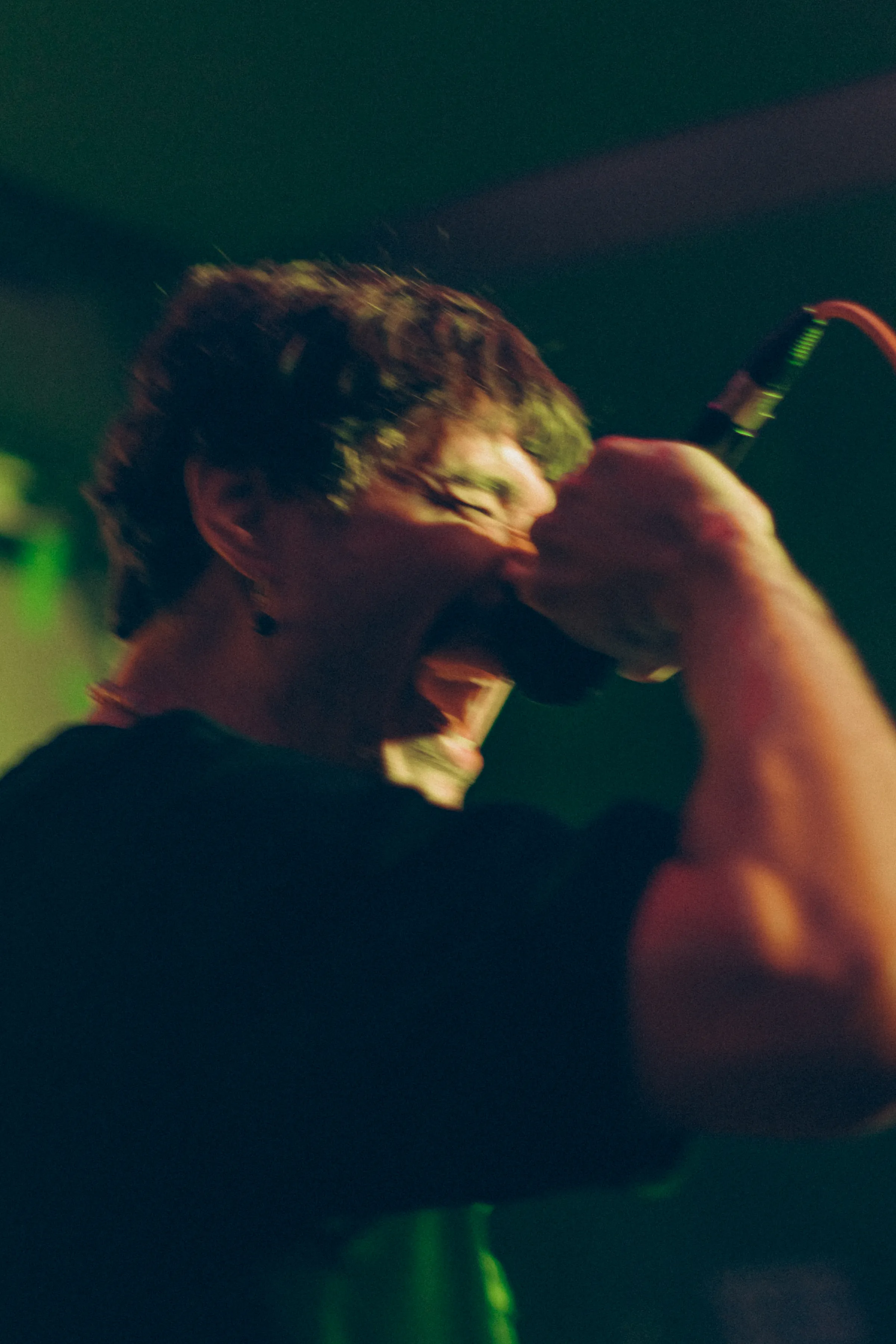
K: How did you learn? What do you play?
B: I’m self-taught. Never went to music school. I started with guitar, then discovered electronic music. In Poland I started learning to sing and play drums. A little bit of everything, basically. After years of working in music-production, I've developed a solid understanding of rhythms.
When I was learning guitar, I bought a delay pedal with a looper. I'd first loop the chords, then pick out some melody over them, humming words to myself. That looper – which is basically just an extra function – unlocked some kind of chakra in me.
K: What is music for you right now – just a hobby, or do you see potential in it?
B: I've let go of big expectations, but music runs parallel with my life. I feel myself growing in music; it helps me work through certain inner questions. But do I want to do only music? No.
Growing up, I realized there are so many interesting things in the world – it's foolish to bet everything on a single hobby. Still, I keep nurturing my musical project. It would be great if something actually comes of it in the future.
I like that the Domsun project is putting down roots in all kinds of different directions. People listen to my music, reach out for help – in sound production, for example. So for me an artist isn't just tours, albums, and money. It's first and foremost about personal branding, networking, and interesting opportunities.
K: What genres have influenced your style and taste?
B: I didn't listen to music until I was 14. Genuinely didn't understand why everyone around me was so crazy about it. And then I got it. I liked listening to reggae, but that wasn't the genre that changed everything.
One day I listened to Nightwish (ed. note: Finnish symphonic metal band), and something changed inside me. For a while I listened to nothing but reggae and Nightwish. Later a friend got me into Korn, Limp Bizkit, Lumen, and so on. Then came a metal phase with subgenres like grindcore, later – indie. I even had a whole Irish folk phase. I loved Sigur Rós (ed. note: Icelandic post-rock band) – they were pure heroin. I went around feeling so inspired that people around me got genuinely annoyed.
As I got older, I started listening to a lot of glitch music – another revelation of sorts. My musical explorations ended with indie electronics. My album "Accidents" was recorded under the influence of that genre.
Eventually I switched to ambient. That's the final boss. Once you settle into ambient, you've got nothing left to search for – you found meaning in simplicity.
Lately, probably because of my vocal training, I feel pulled to add more vocals to my music again. Sometimes I want to rap, to bring some energy. And my music has gotten more aggressive – a sort of breakbeat leaning toward The Prodigy.
K: What do you think of pop music?
B: Only good things. I happily listened to the new albums by Rosalía, Taylor Swift, and Sabrina Carpenter. I have an occupational deformation – I evaluate the production work. On top of that, I also support these singers because they're great poets. So great production + great lyrics with unusual metaphors = good music.
K: Back to your project. What does the name Domsun mean?
B: It's very simple. When I started thinking about a project name I decided to combine words in different languages. After all, English has always been with me. So I sit there thinking: what words spark an emotional response in me? Mother? Sun? God?
That's how I got to the word "Dom" (home in Belarusian), translated "sun" into English, and ended up with Domsun. I refined the meaning afterwards – the sun in the home as a symbol of well-being.
K: Are you religious?
B: My friends and I joke that Domsun is Christian breakbeat. It turned out that almost every third song has the word "God" in it, and on the upcoming album I think it'll be in almost every single one.
And yet I'm an atheist. But I love gospel and blues samples – they're always singing about God. One of my favourite musicians, Nick Cave, is very religious. I love his books and the way he talks about religion without imposing.
K: Did you have any projects before Domsun? How did you promote them?
B: Yes. The first electronic project was made with a friend – he was a skilled guy, but we worked very slowly. The second was an indie band we put together with a group of people using my old demos. There was practically no promotion, except for friends and some attempts at social media posts. Extremely ineffective.
K: Was there any promotion for the Domsun project?
B: Better this time. You film something here, post it there. Still, I felt a lot of anxiety around social media and it was really hard for me to maintain them. Right now my friend and I have started doing it on a commercial basis. First came VYKLIK, then the album in winter – it all lined up perfectly. The competition gave me a chance to see what good promotion actually looks like.
K: Tell us about VYKLIK. How did you find out about the competition, and why did you decide to take part?
B: I found out about the competition on Instagram. I decided to take part for one simple reason – doing things on your own is hard. When there's an opportunity to get some help, motivation appears right away. I tend to be lucky with that kind of thing. Right now I'm listening to your interview questions through monitor speakers that I also won in a remix competition for a track.
K: How did you rate your chances of winning?
B: I was certain I'd make the shortlist. I figured I might even crack the top five. But I didn't think about winning, even though my friends kept insisting otherwise. That's what friends are for :)
K: How did the track from your VYKLIK application come about?
B: It was almost a finished song at that point. It was born randomly – I found a great breakbeat sample, laid some chords over it that make you feel like you're standing on a mountain top with your robe billowing in the wind. Then I just yelled into it – and that was it. It's interesting that it's in a mix of languages. I think that also played a role in the win. I've always liked experimenting, and I decided to try making a track in Belarusian for the first time.
K: How was the experience of writing a track in Belarusian?
B: It was a return to roots. The reason I started writing tracks in English in the first place was that I cringed at my own Russian-language lyrics. As we were saying about accents, there's this enormous amount of cringe in us, people from the post-Soviet space, about all kinds of things. I'd call it a collective unconscious shame about everything.
As for Belarusian language: it's awakening and constantly flickering across my media environment. Naturally, I pick that up too, and a desire appears to become a part this movement.
K: How did you come up with the visuals for the application?
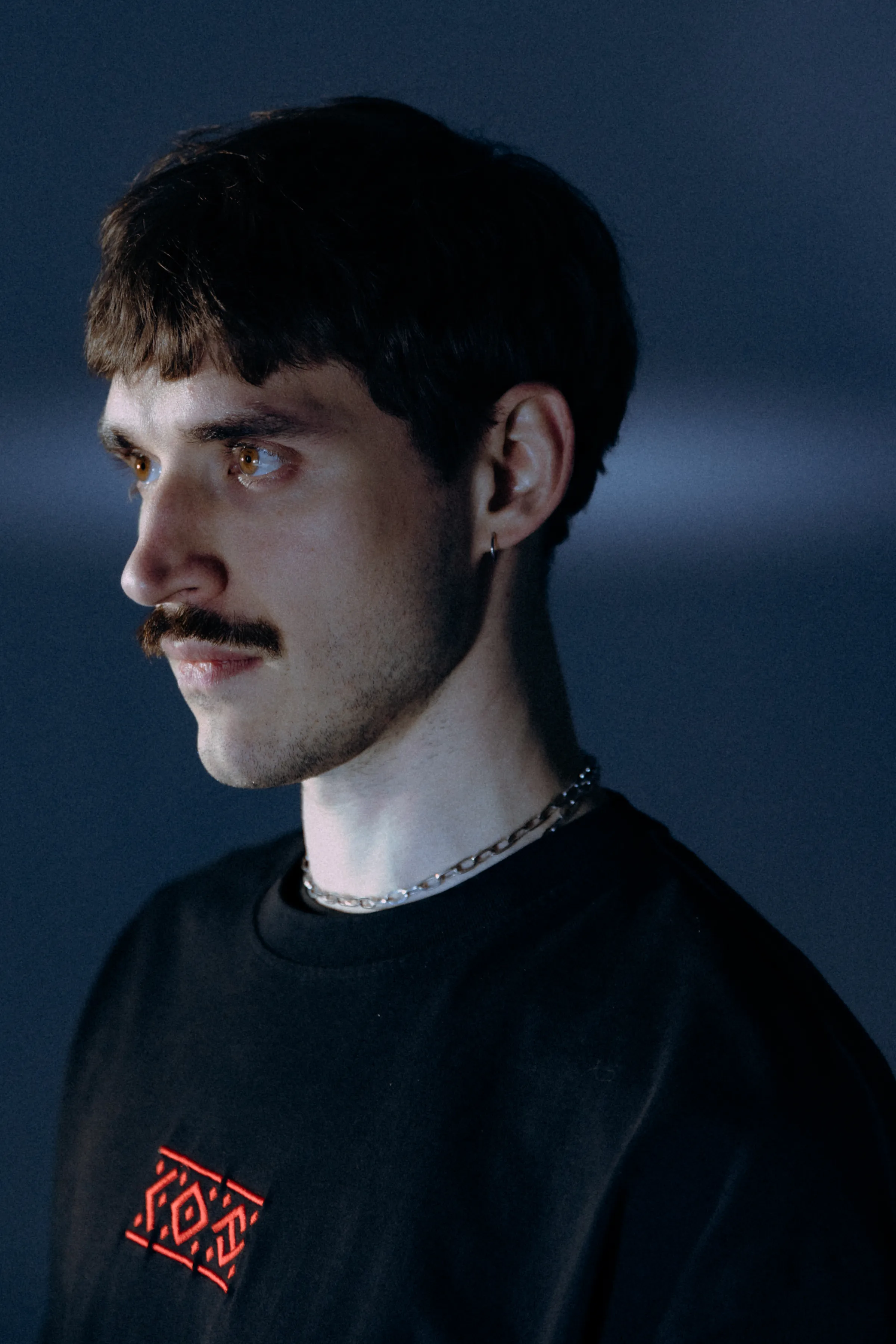
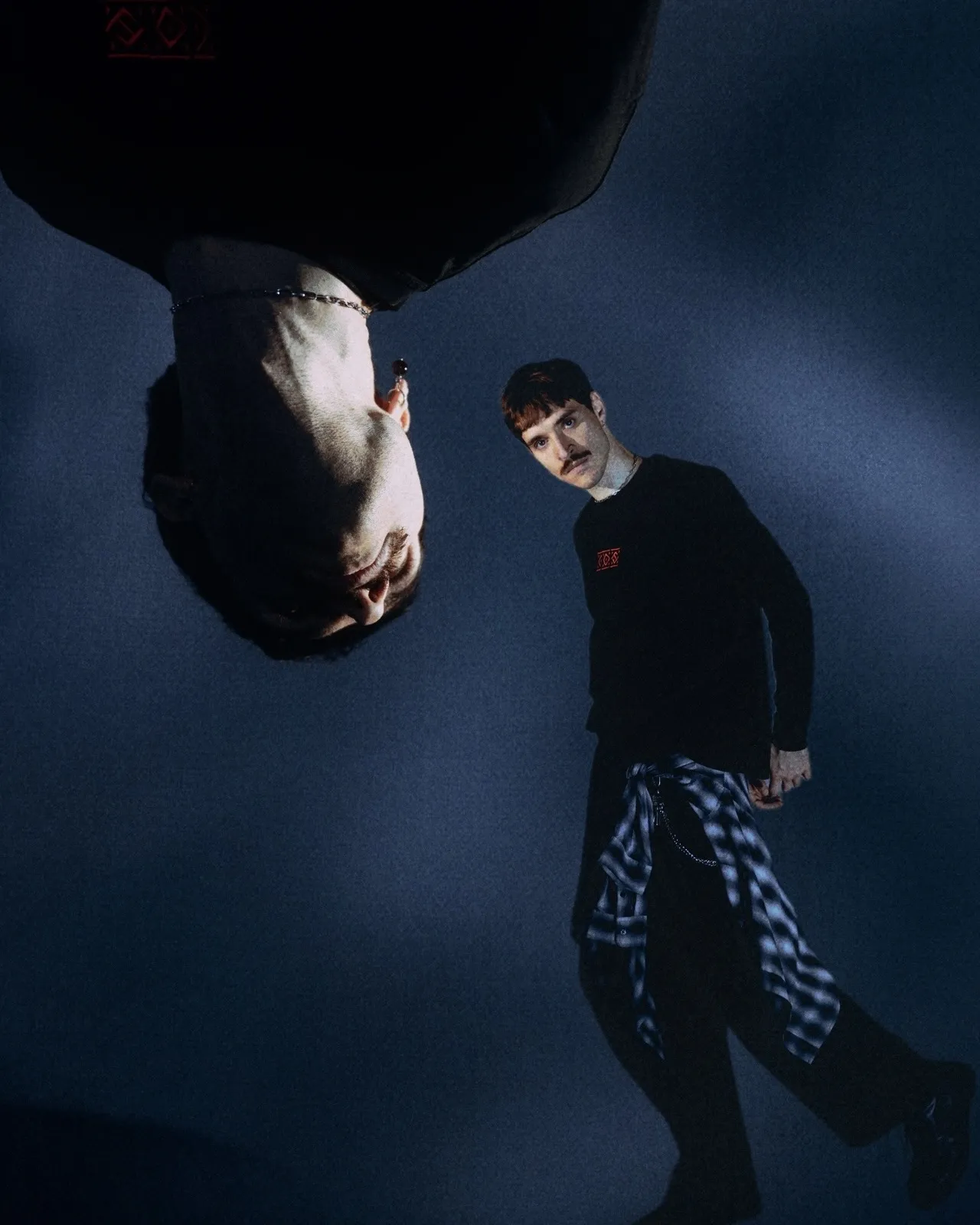
B: The lyrics say "Run, boy," which kind of implies that in the video someone should also be running. Then the projector idea came to mind. We went to the Belarusian bar "My" in Poznań, borrowed their projector, and put together the visual.
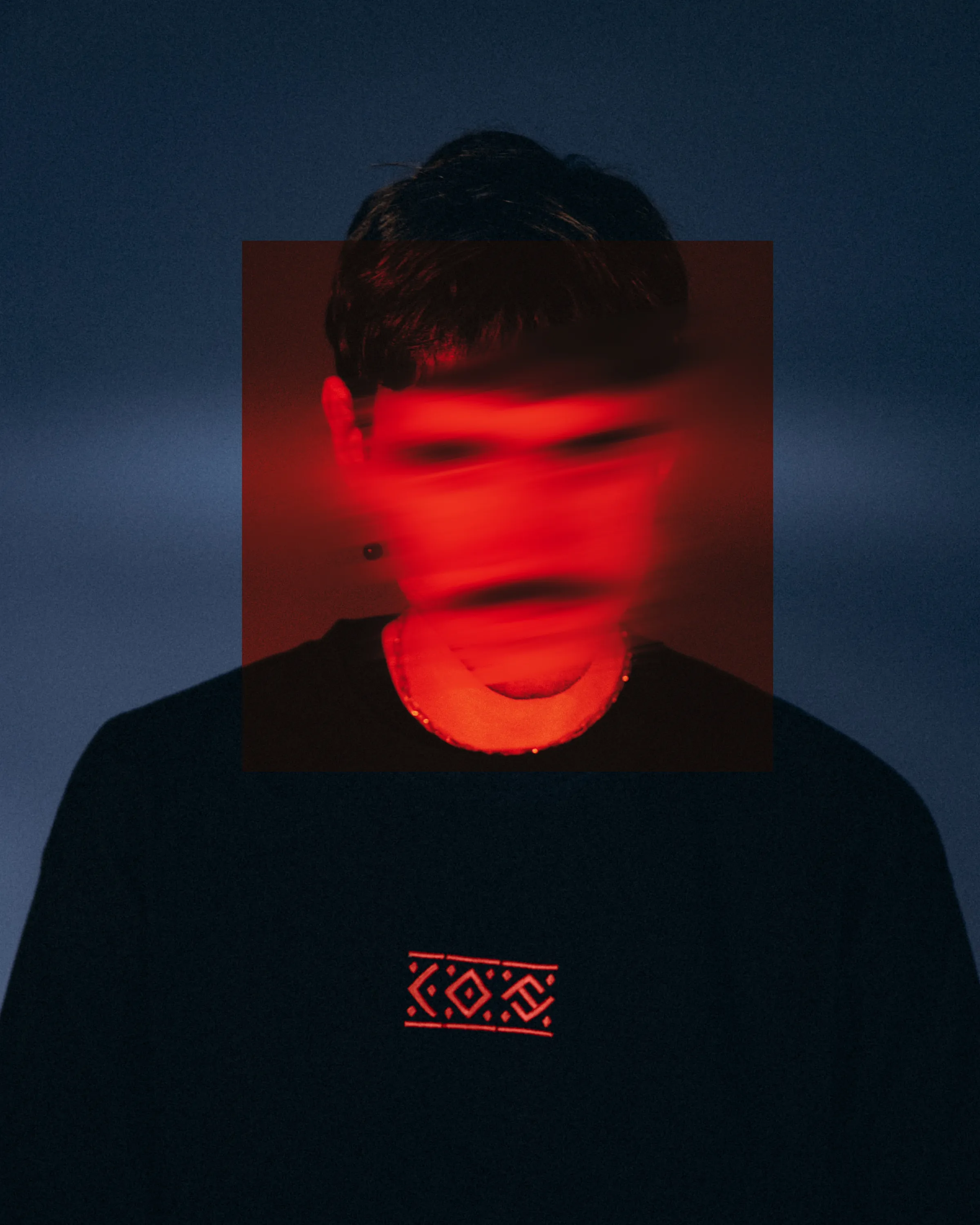
If you look closely, there's a guy running on my shirt. That guy is me. It's actually a music video from one of my old projects I mentioned earlier.
K: How did you feel when you found out you'd won?
B: I was happy. I had assessed my chances well, but there was still an element of surprise.
K: How did the work on the track with Vlad Freiman go? (ed. note: Belarusian producer)
B: Vlad did live streams where he reworked my track from an artistic standpoint and mixed it. I had my own ideas, and Vlad helped realize them. It was really great to be able to see my track from the outside. It's hard to evaluate your own work objectively, but when someone knowledgeable comments on it, you can genuinely see where the weak spots were. All in all, I'm very happy with this collaboration.
K: Were there any interesting or funny moments during the work?
B: I can't name specific situations. I just liked Vlad as a person – he would drop some funny lines on the stream. There's a certain introverted charisma about him.
K: When will the track appear on platforms?
B: Closer to February, but no details for now.
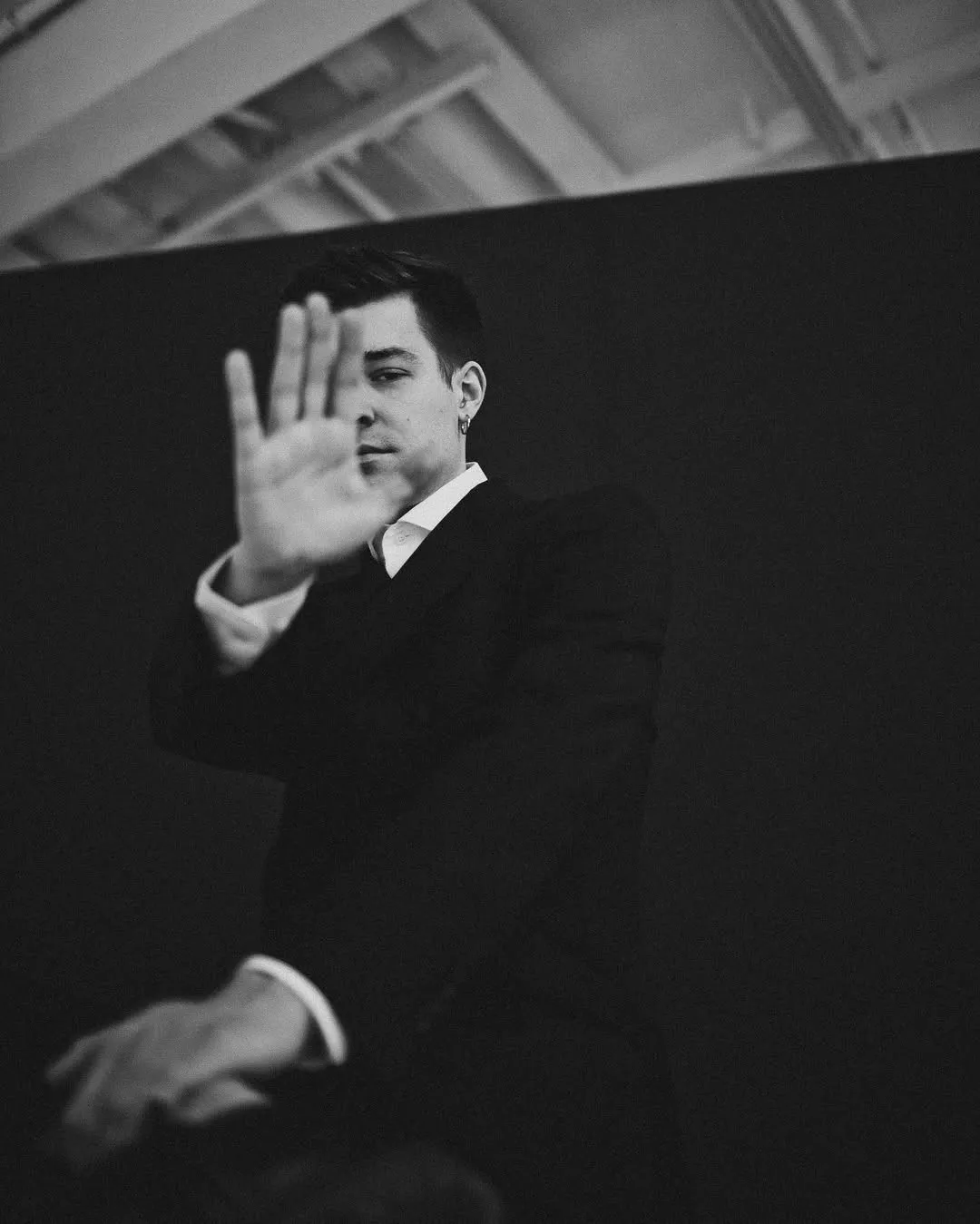
Vlad Freiman
We also reached out to Vlad Freiman for his feedback on the work and the competition overall:
"For me, this was a special project. Working with an artist like Boris and with such unconventional material is a great joy. My task was not to redo the track, but to reveal Boris's concept more vividly and powerfully. We held several streaming sessions where I added new parts, worked on the arrangement, and showed the before-and-after in real time. The greatest reward is the artist's reaction. Boris was thrilled, and for me that's the key indicator of success. I'm convinced that a producer's job is to listen to the artist and help them realize their idea 100%, especially when technical experience is lacking. Initiatives like VYKLIK are wonderful. They clearly demonstrate the value of quality production. Today, to convey all the emotions to a discerning listener, a track needs to sound powerful and professional. Every note, every beat must serve the overall emotion. I was glad to be part of this project."
K: Have you thought about making a full-length video and developing the projector idea from the application?
B: A snippet is enough. I'm not a big fan of music videos in general. Right now, it seems to me that videos by Belarusian artists don't get the views and reactions they deserve. It feels like it's easier to make a snippet, spend less effort, and get the same payoff. Or even more.
K: Why do you think this happens?
B: I think it's due to a lack of resources, brain drain, and the general situation. There's no music industry in Belarus, so half the work is done on a shoestring. Even genuinely brilliant videos only get 10,000 views. That's upsetting.
K: What are your plans for the future?
B: First the track from VYKLIK will come out, then the album closer to February. For now I want to see what I've learned from working on the track, and then think about live performances.
Quick-fire round
What's the priority: music, modelling, or teaching?
These are different things – one can't exist without the other in my life.
The nicest and most hurtful comment ever received?
The most hurtful was under the video where I'm running. Some guy wrote that the lyrics were kind of wacky. Actually, I haven't really encountered serious hate. The nicest one is when my dad says he has a talented son.
Top Belarusian artists with the best lyrics?
Palina and lightowy.
Golitsynsky or GrammarWay?
Both can go to hell.