
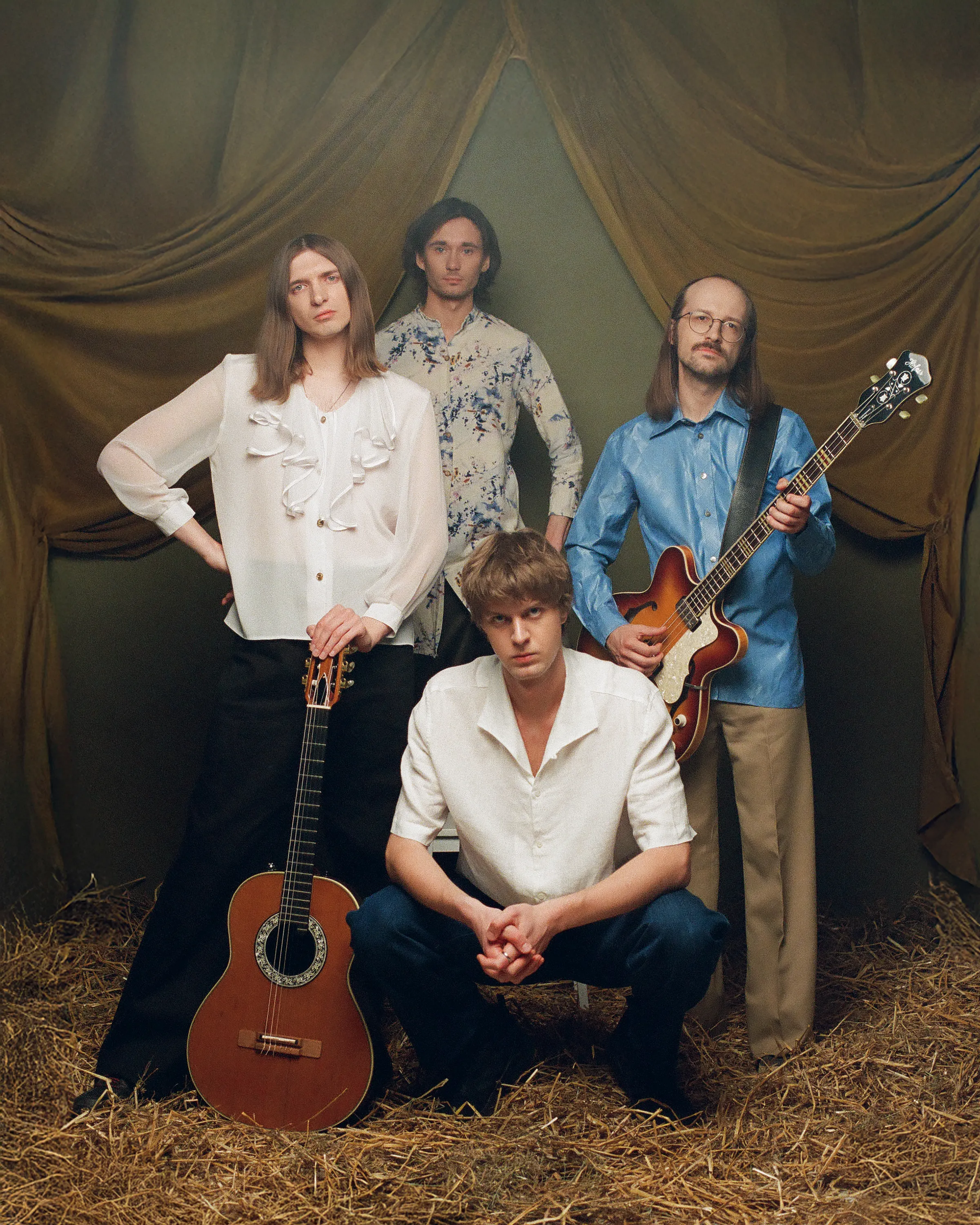
"Now an international quartet"
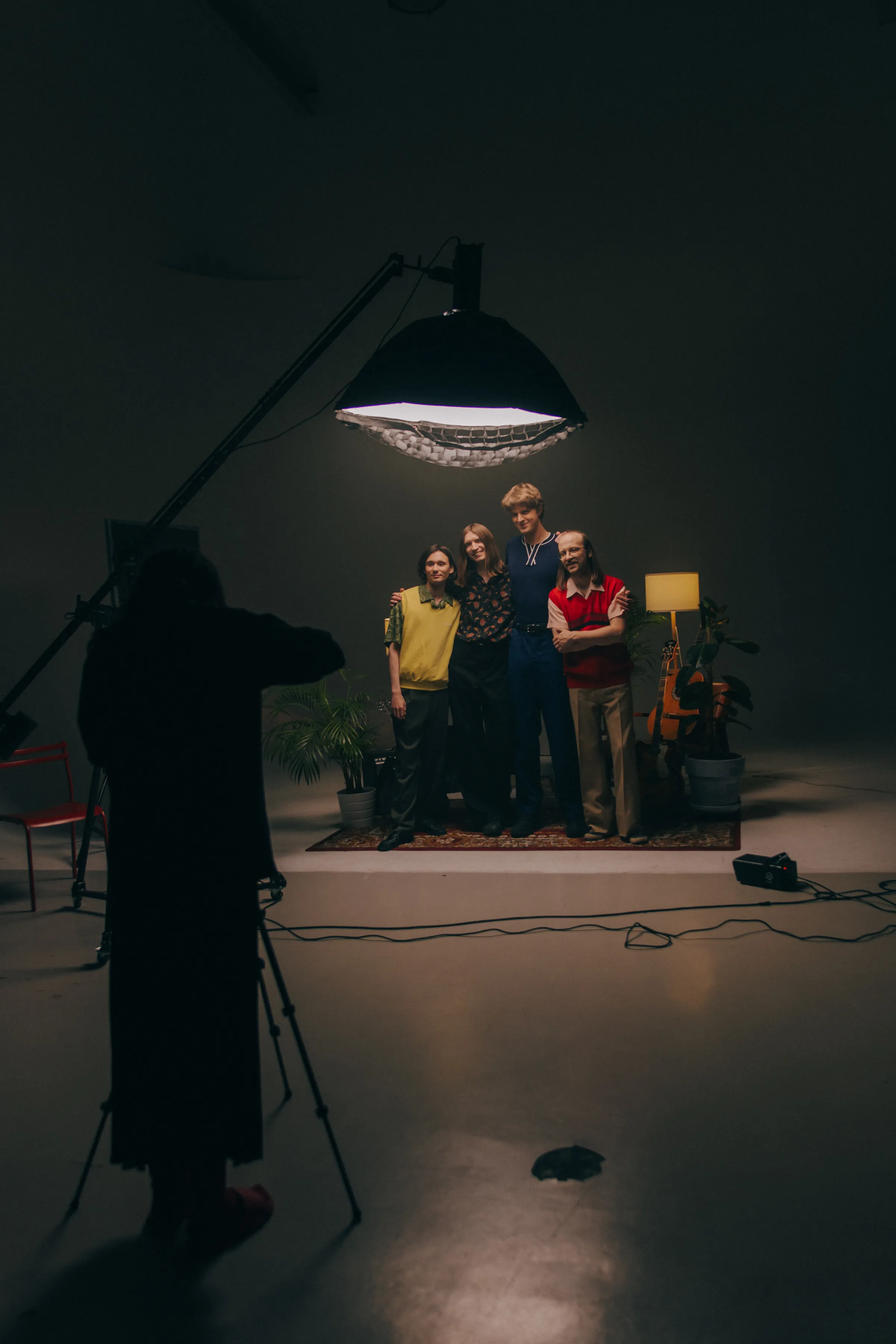
Interview and photoshoot SOYUZ
"I like that we bring these two worlds together"
Young people are fascinated because they've never heard anything like this before. Older listeners pick up on references in our music, and that captivates them in its own way.
Interview - SOYUZ - November 30, 2025
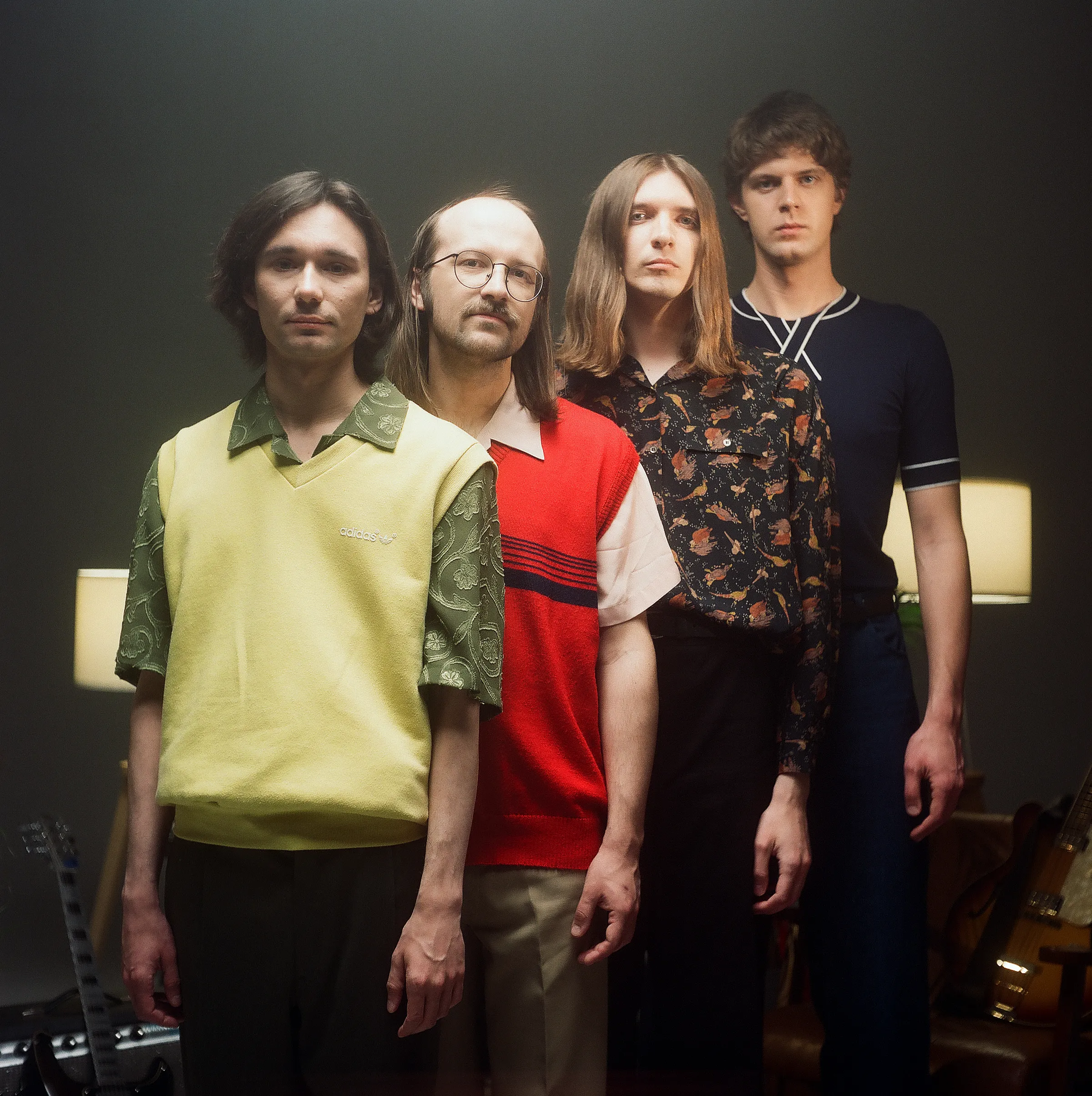
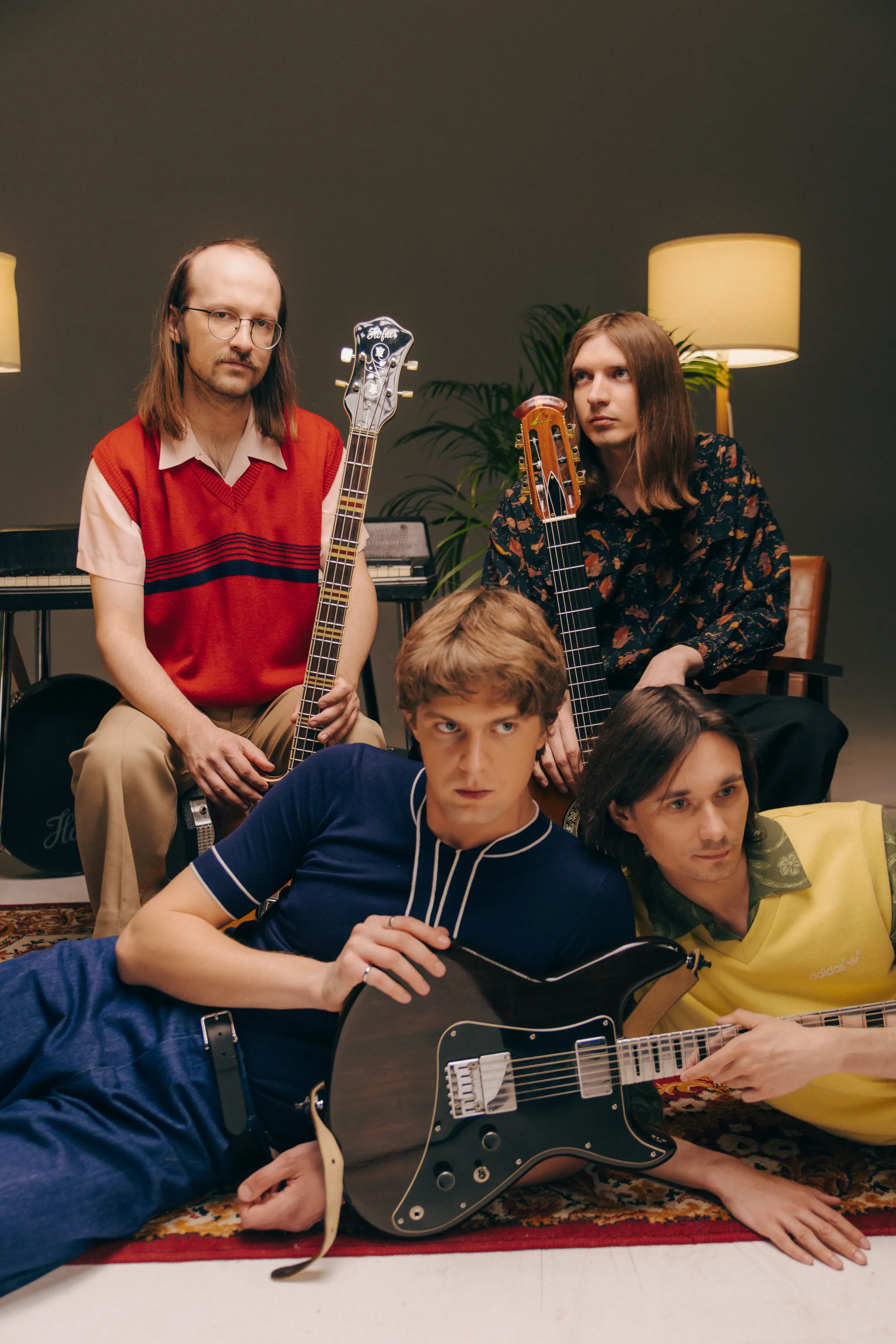
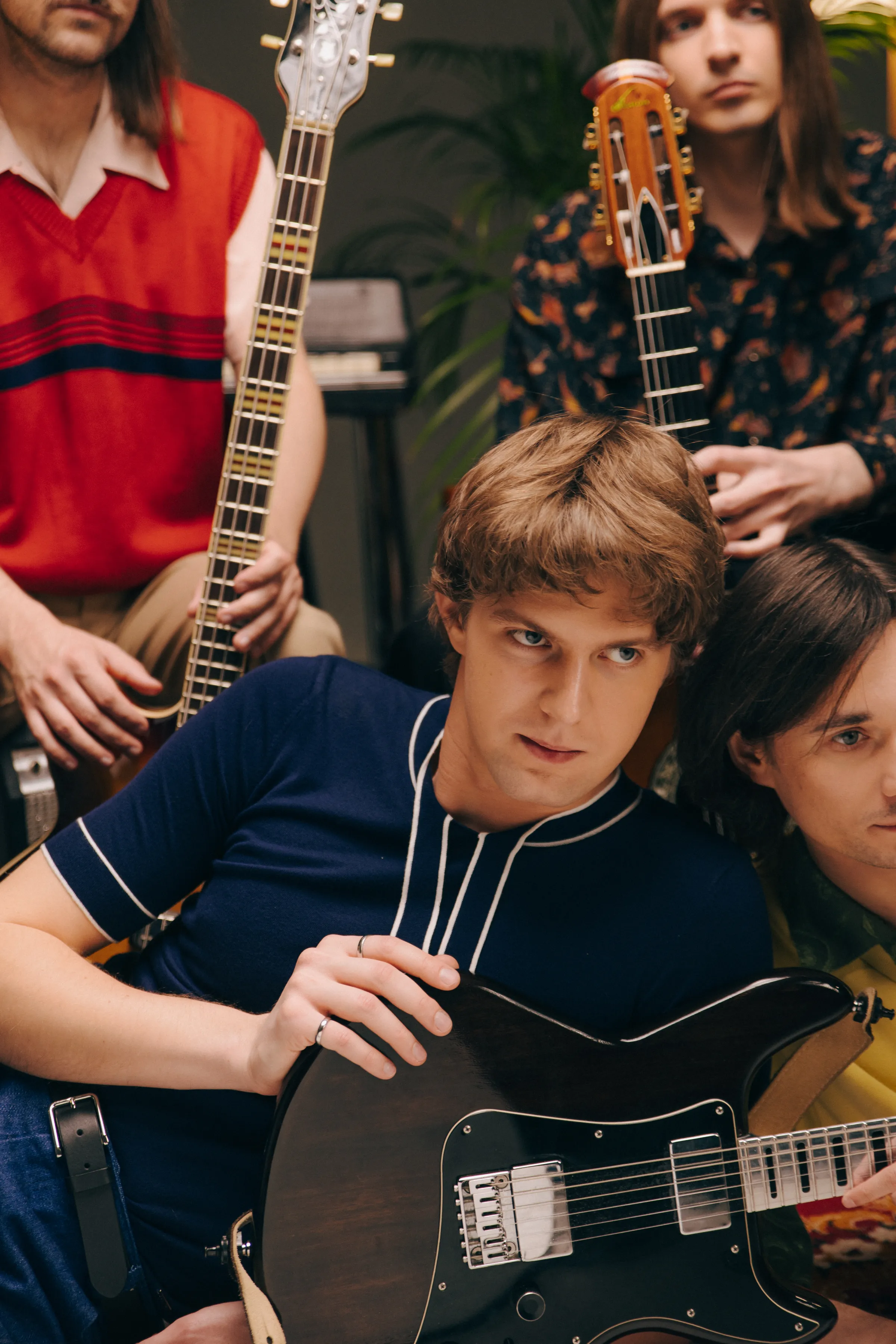
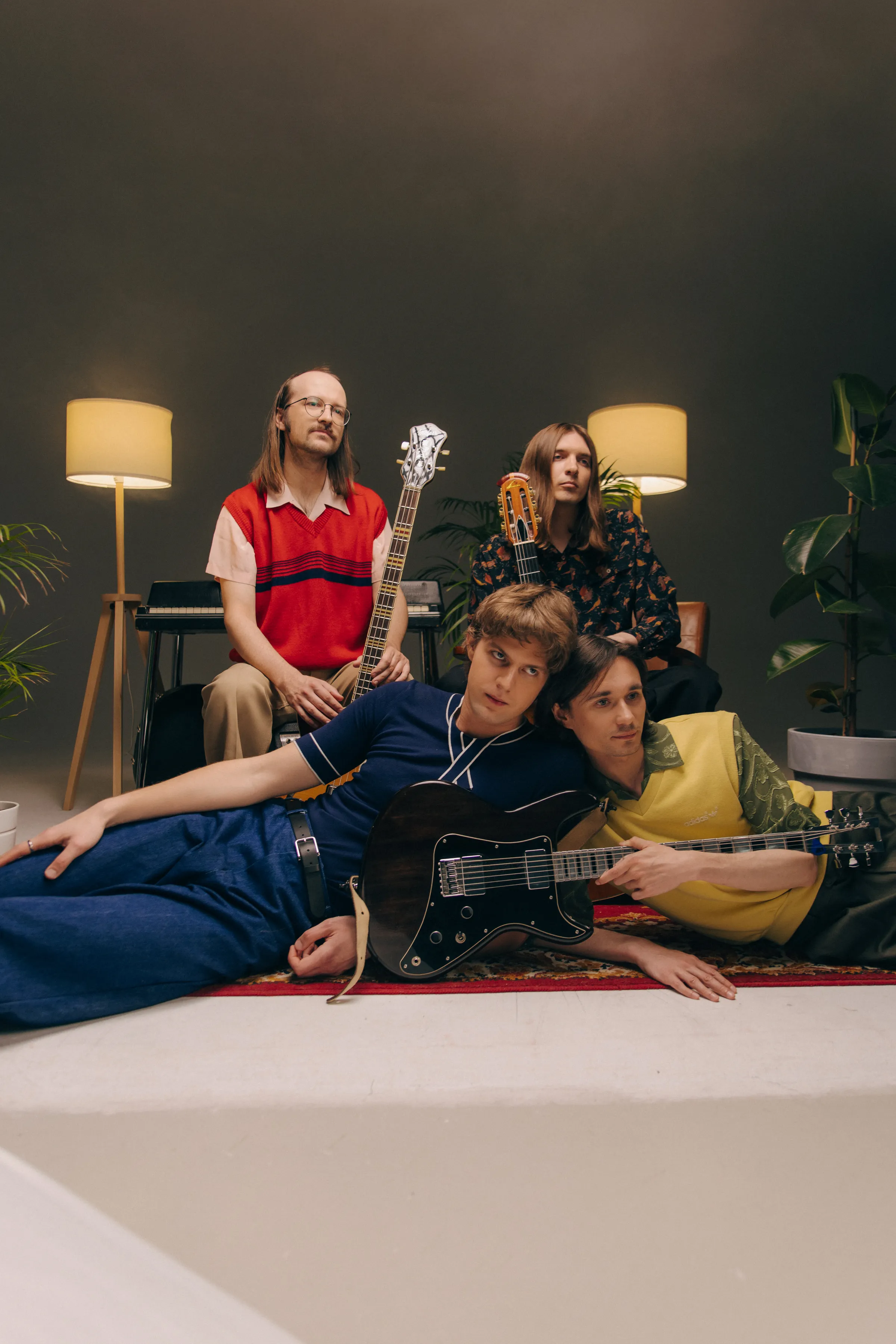
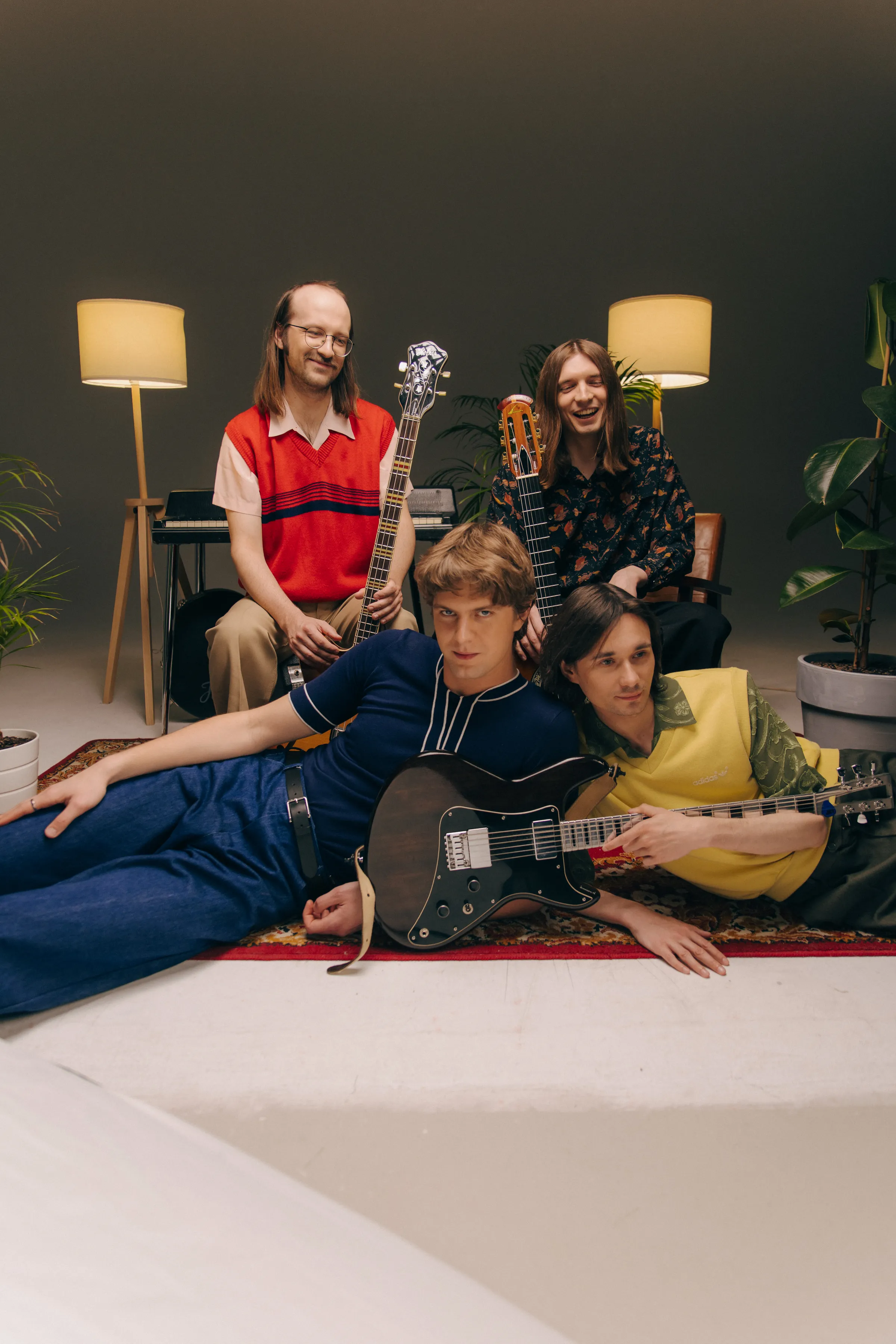
SOYUZ is an experimental band in constant search of a new sound. Over the past few years, the project that started as a Belarusian trio has transformed into a truly international team featuring Polish musicians.
In this interview, Lyosha Chumak, Mikita Arlou, Albert Karch, and Igor Wisniewski tell KLIK about the lineup changes, the new album, concert experiences, and how their music resonates in different countries. The most attentive readers will find an invitation to a free show in Warsaw.
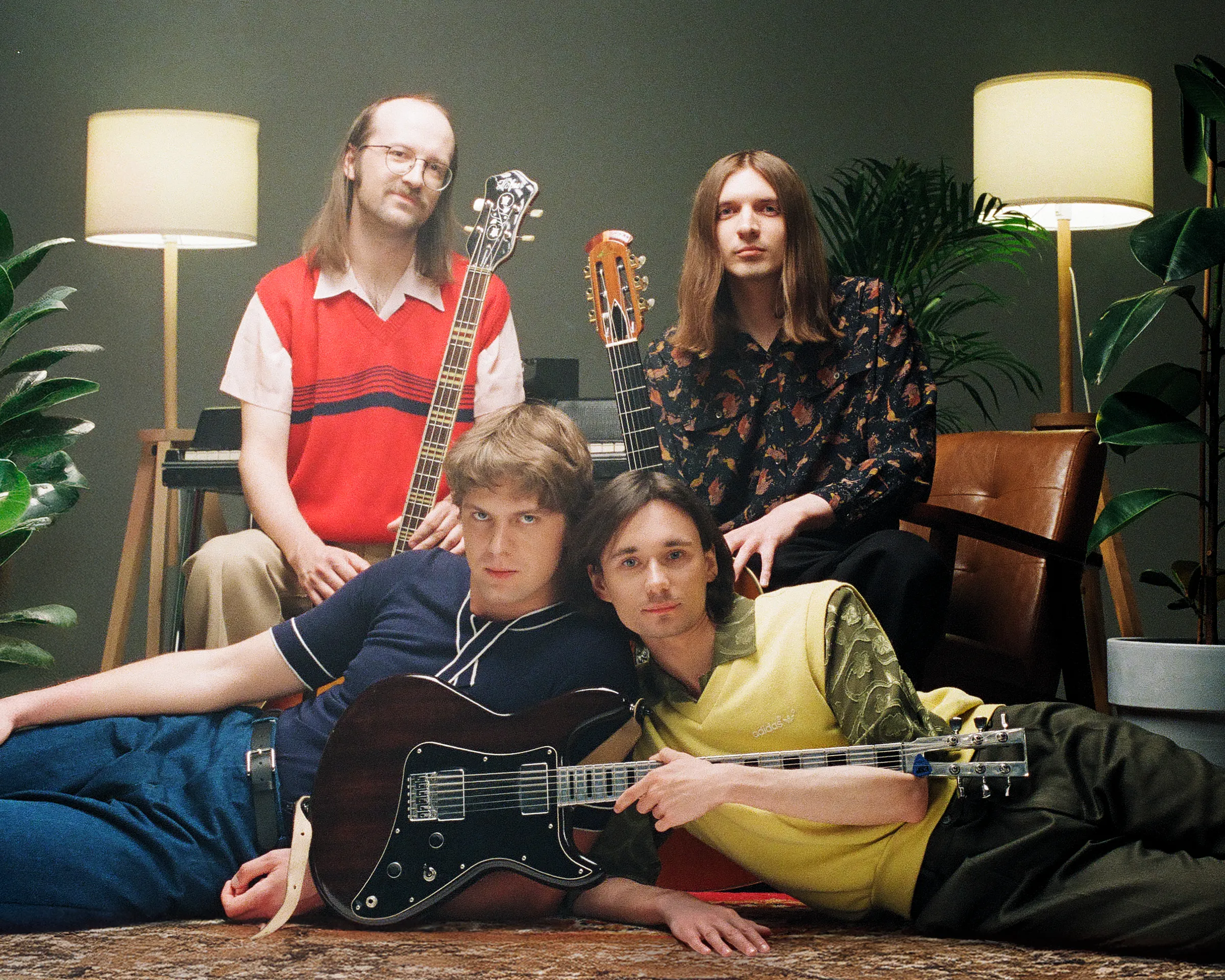
K: Tell us about the new members of SOYUZ.
Lyosha: Igor is our guitarist. Albert is our drummer. We met a year and a half ago and almost immediately started working on a new live program. Our first performance took place in Paris a month after we met.
K: What triggered the lineup changes?
Lyosha: We arrived in Warsaw in 2022 and performed as a trio with Mikita and Anton. At some point, we ran into legalization issues in Poland, and because of this bureaucracy, Anton couldn't tour with us for a long time. We had to find a temporary replacement while he couldn't leave Poland. We started getting to know local musicians, expanding our contacts. That's how we met Albert and Igor.
But eventually, Anton left the band, so we took the guys in as permanent members and reworked the material for a quartet.
K: Albert, tell us about yourself. Have you ever played anything similar to SOYUZ's music?
Albert: Music has always been a huge part of my life, and I've seen and heard a lot along the way. Have I played anything like SOYUZ before? No, although I really wanted to. So I was glad to accept the guys' offer to play with them, if only because I was curious to get to know their work better. The way they experiment with different sounds is truly unique.
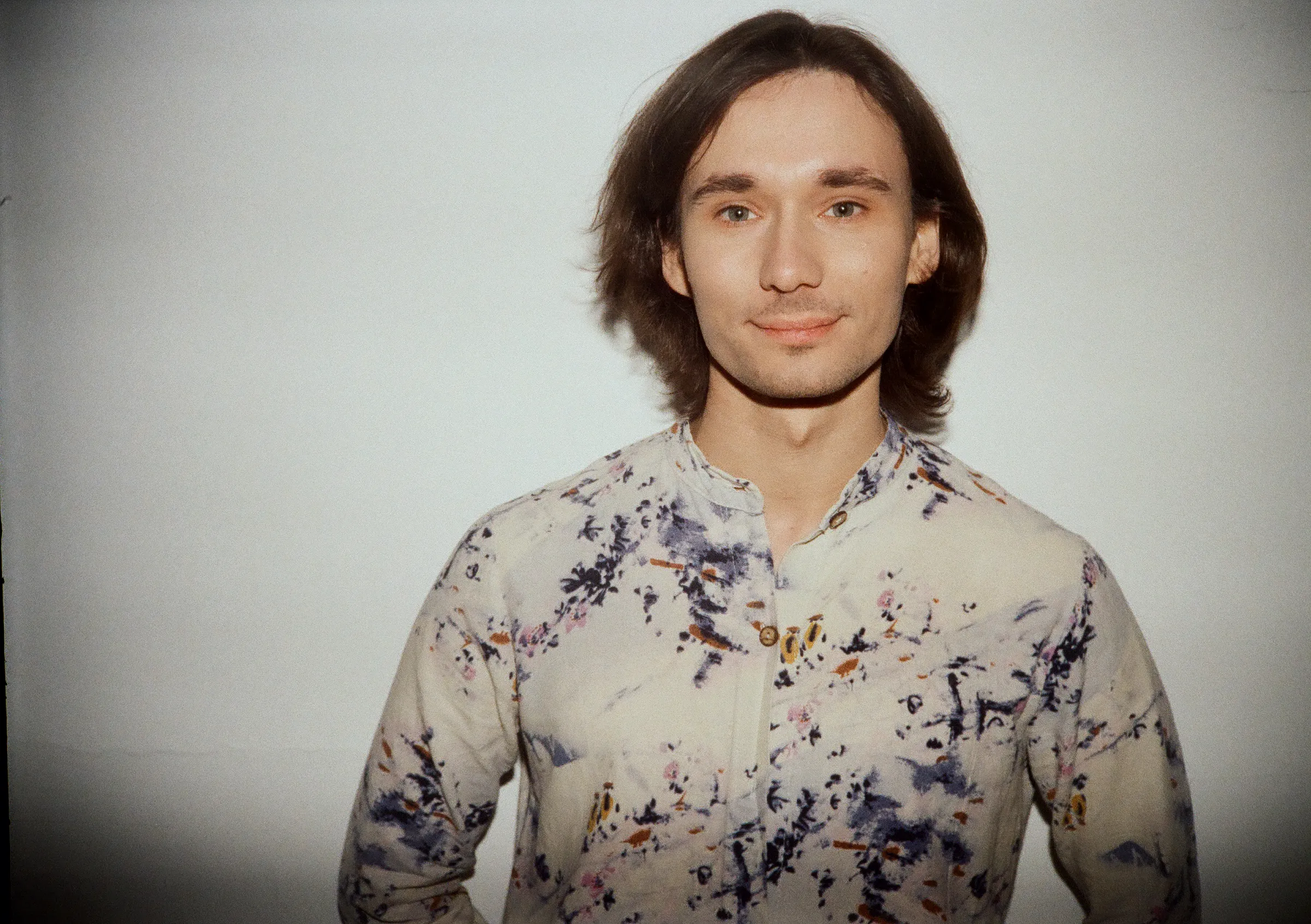
Albert Karch, SOYUZ drummer
K: Was it hard to adapt?
Albert: Of course! At first, it was difficult to understand how rehearsals even worked. Mikita and Lyosha have been playing together for so long that a mental connection has formed between them — they understand each other without words and know what to do and when. I wasn't part of that connection, so it wasn't easy. But that's natural. However, I wasn't the only one who had to adjust. New members always bring something of their own to the band's familiar sound. So everyone had to adapt.
K: And how did you and Igor find out about SOYUZ?
Albert: Once, we ended up at one of their concerts. My first thought was that we would click musically. Then Lyosha messaged me on Instagram and proposed working together. Who would have thought? (laughs)
Igor: I remember people around me were talking about "a new band with an unusual sound." What captivated people especially was the bass. No one had played bass that heavy before. In general, Warsaw has a lot of experimental music and improvisation. But no one mixed genres the way SOYUZ did.
Albert: Honestly, I wouldn't be surprised if over these three years, local musicians in Warsaw have started copying that sound.
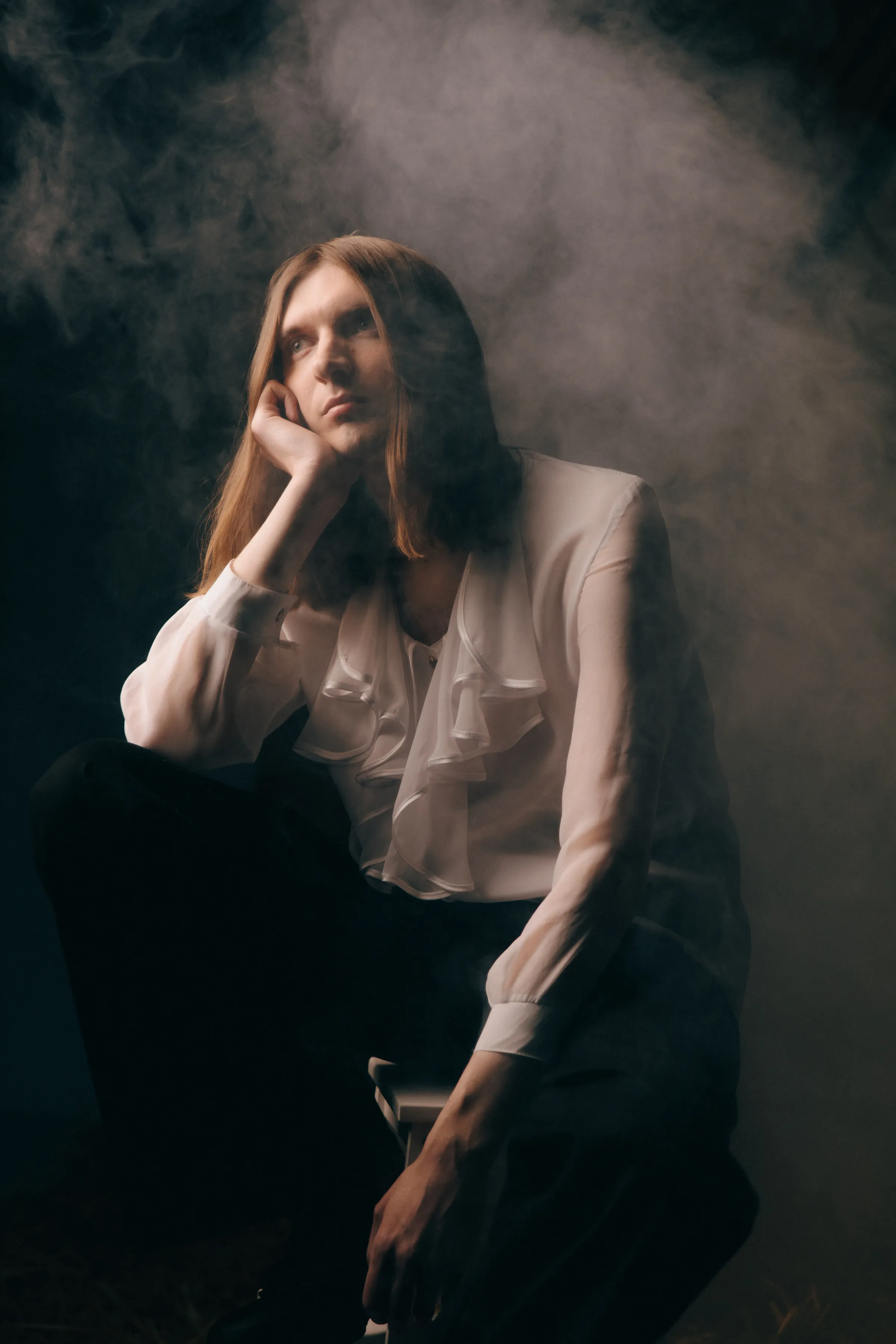
Lyosha Chumak
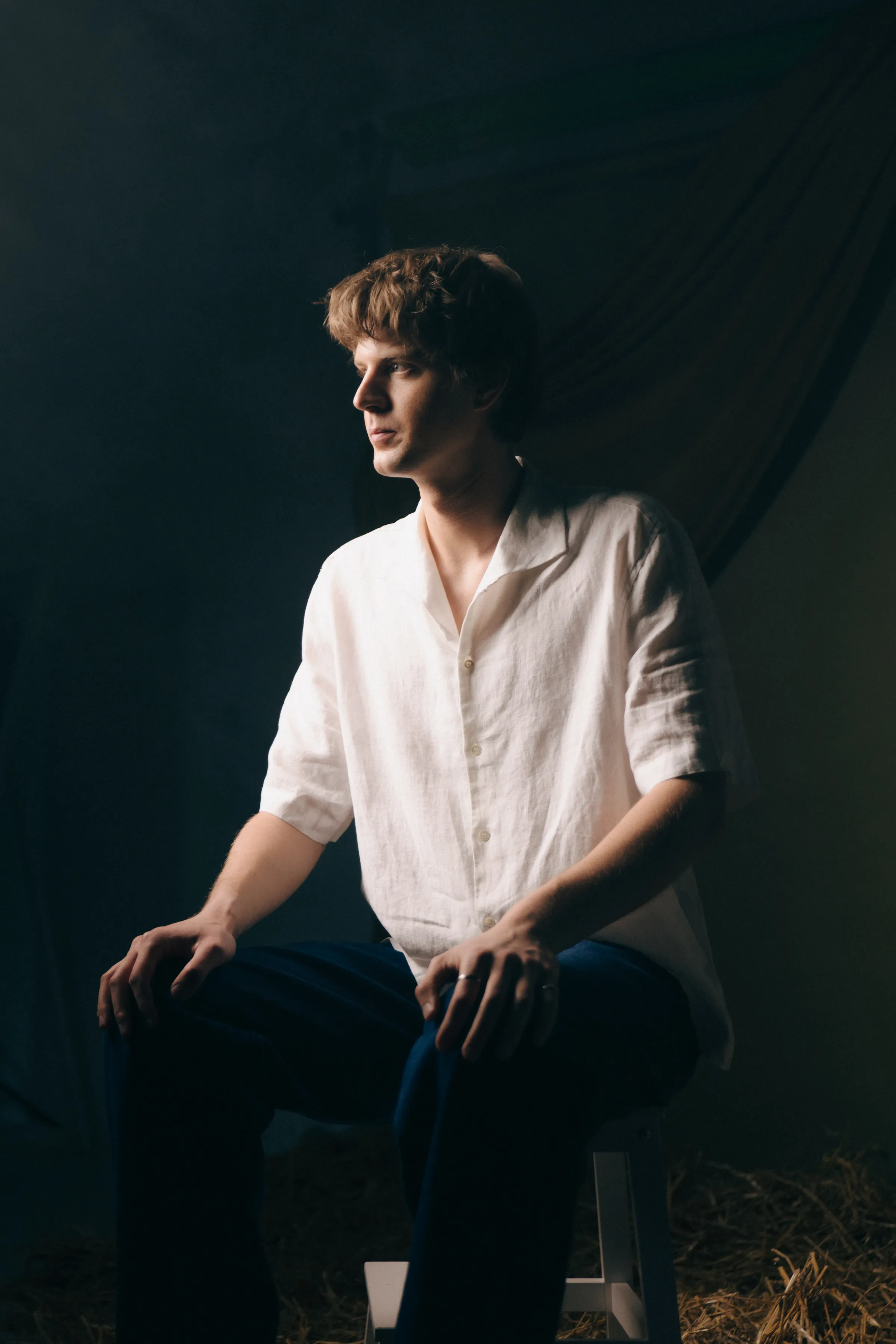
Igor Wisniewski
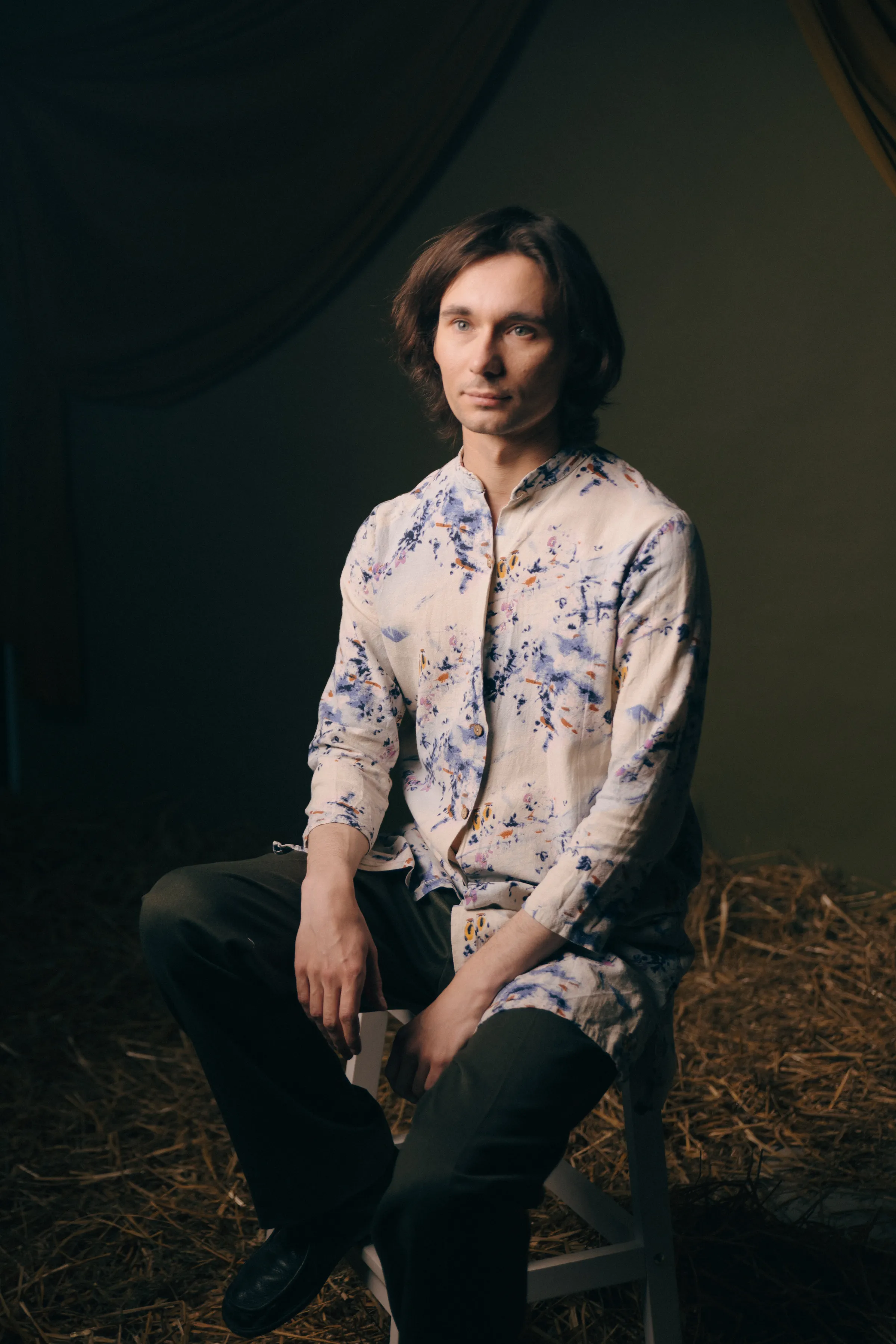
Albert Karch
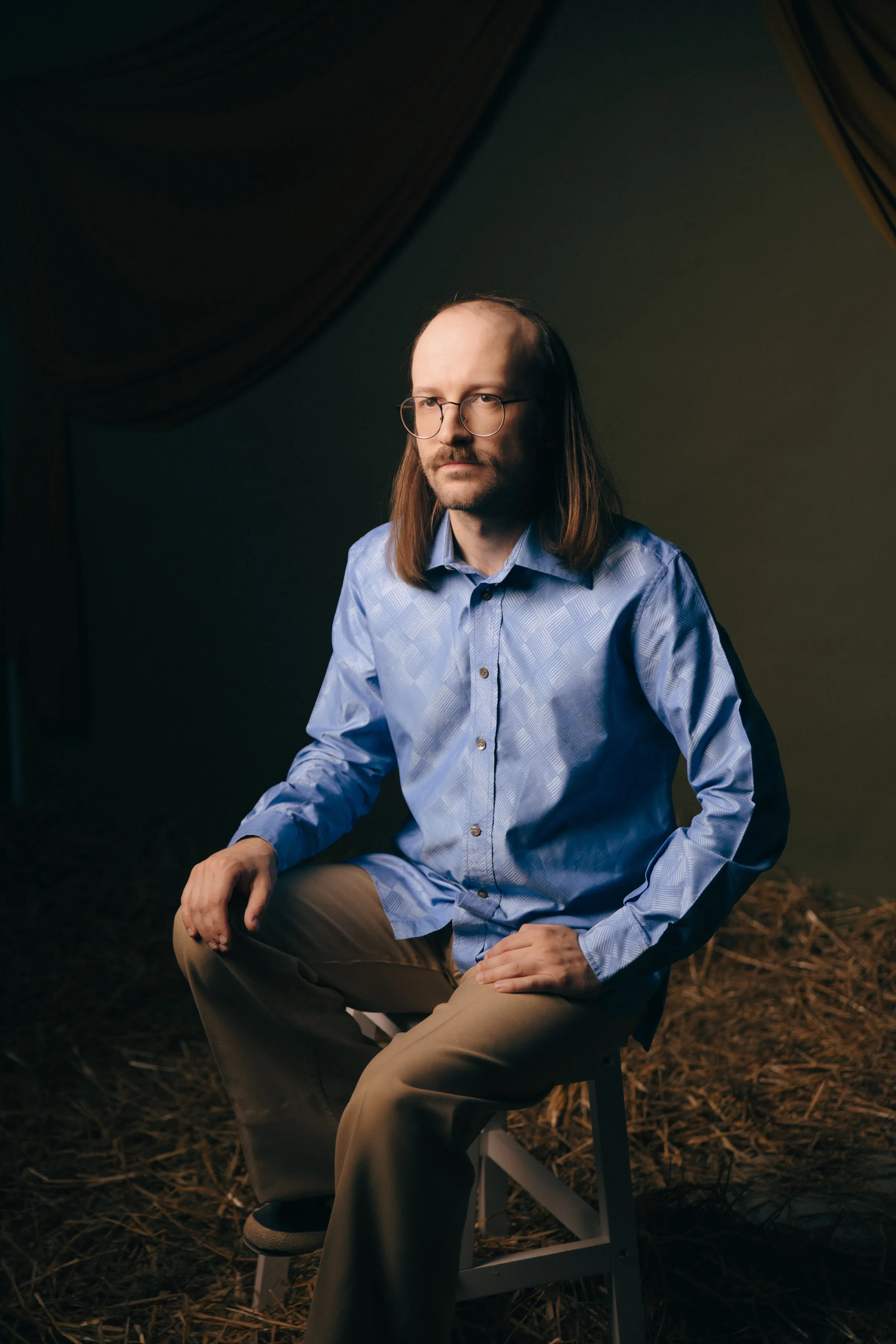
Mikita Arlou
K: How do you feel about people trying to copy your style?
Lyosha: "Copy" isn't really the right word. I'd say people get inspired. Of course, it's nice when people reflect our musical preferences in their work — through their own lens, naturally. So more often, I hear not the specific influence of SOYUZ, but the music whose love we share.
K: Igor, tell us about yourself. How did you join the band?
Igor: Albert and I worked together for many years — he produced the music for my first band about six years ago. Years later, SOYUZ and I met on stage. It was a special show where the guys played their first and second albums. We had to learn a lot of material, but it really helped in the long run.
Back then, I was in my own musical flow and wasn't planning on becoming a full member of the band. But after several concerts with the guys, I realized I liked it. This is the sound I can and want to play.
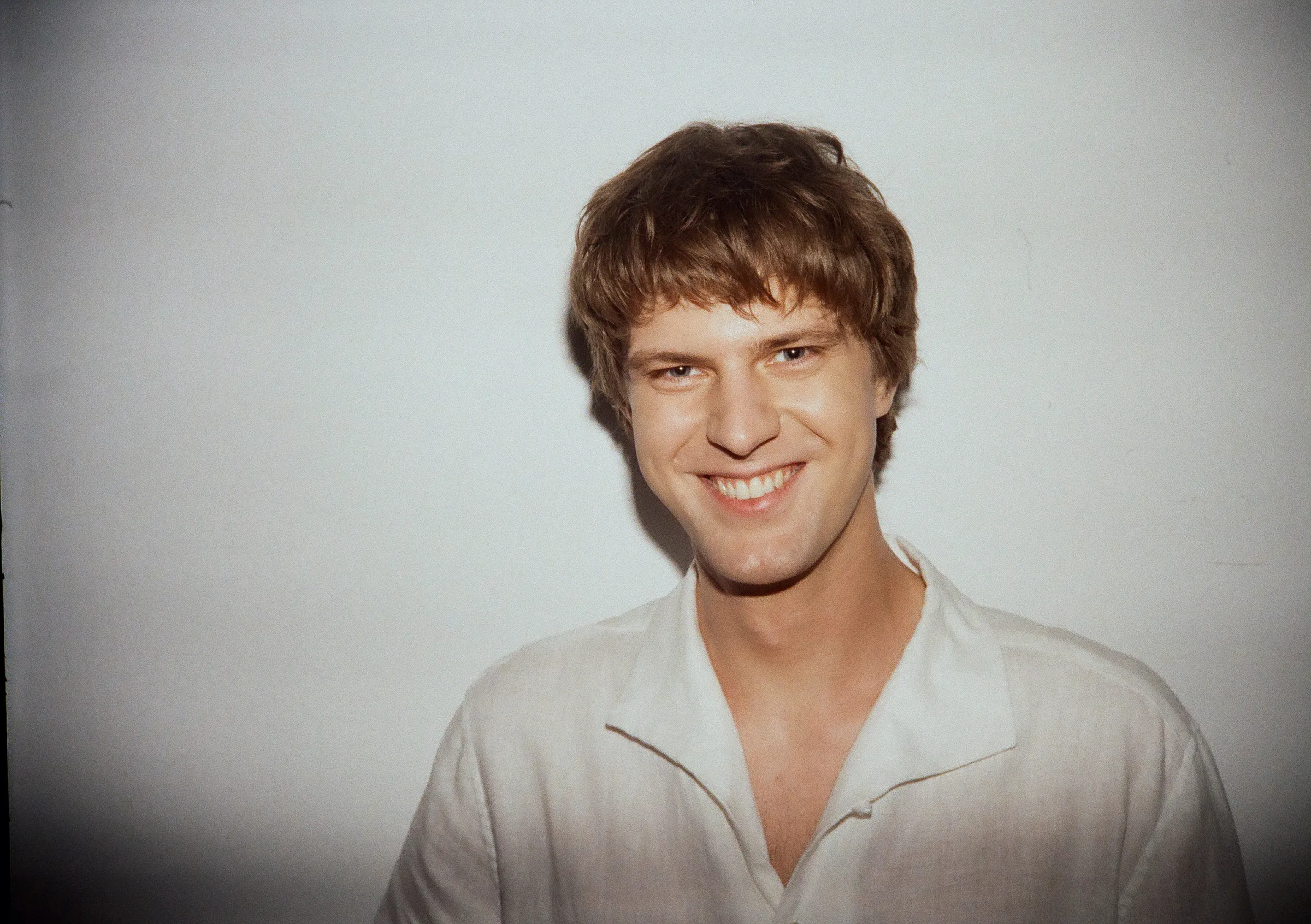
Igor Wisniewski, SOYUZ guitarist
Lyosha: And that's great. Because not all of SOYUZ's old music can be played as a trio. And Igor doesn't just play the parts — he does it in his own heavy and unique way.
The addition of a fourth member has made me more confident on stage. Often, to convey as much musical information from the original arrangements as possible in a performance, I had to play fairly complex parts on several keyboards and sing at the same time. Of course, I still do that, but now Igor takes some of that burden off me, and I can feel more relaxed. Thank you for that!
K: Igor, what was the hardest part when adapting to the band?
Igor: Probably the fixed parts. That's when instruments play at the same tempo, same rhythm. I was used to playing more experimental, post-instrumental music. Right now, I generally play post-punk. So with SOYUZ, it was hard for me to get used to such synchronized parts. But I managed.
K: You have a new album coming out. Can you tell us more?
Lyosha: Yes. Albert and I went to São Paulo, Brazil, last year. We recorded most of the material there. Now we're finishing the album here in Warsaw. We recently recorded strings and flutes. But there's still a lot of work ahead. We're planning the release for this year. I can't say more — it's too early.
K: Will the album bring something new for us?
Lyosha: Yes. I always try to add something fresh and distinct from previous works to each new project.
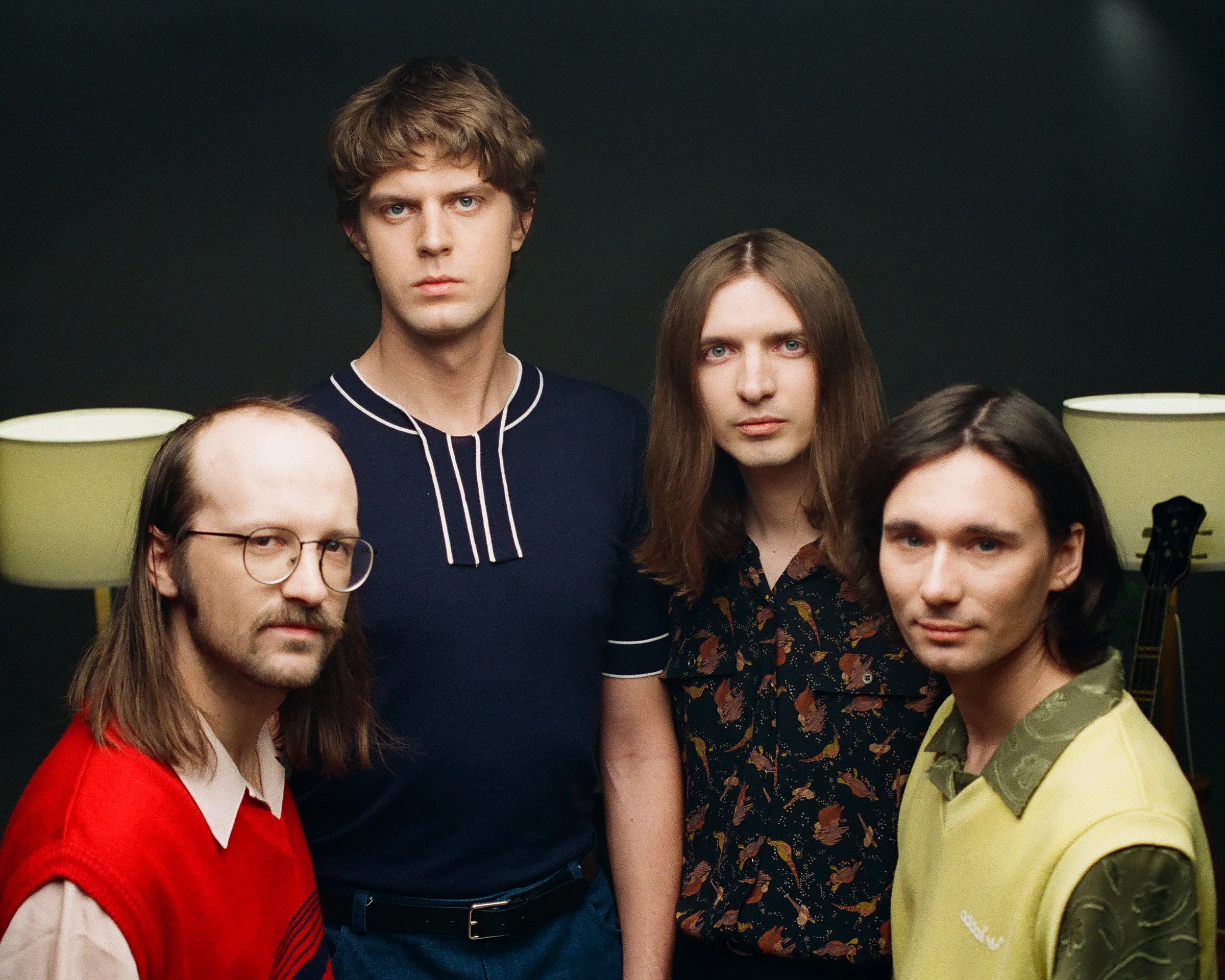
K: Let's talk about live performances. Who is your audience at concerts?
Lyosha: From what I see, people of all ages come to listen to us — from very young to older. I like that we bring these two worlds together. Young people are fascinated because they've never heard anything like this before. Older listeners pick up on references in our music, and that captivates them in its own way.
The audience's age depends on the venue. For example, we recently performed in Zurich. Many young students from the local conservatory came to the concert. Our next concert was in the town of Schorndorf, Germany. There, it seemed to me, the audience was older — 30 to 40+.
K: In which country are you listened to the most?
Lyosha: For many years, the US has been in first place. The UK is second. Then come the countries of Western Europe, Canada, Australia, Brazil.
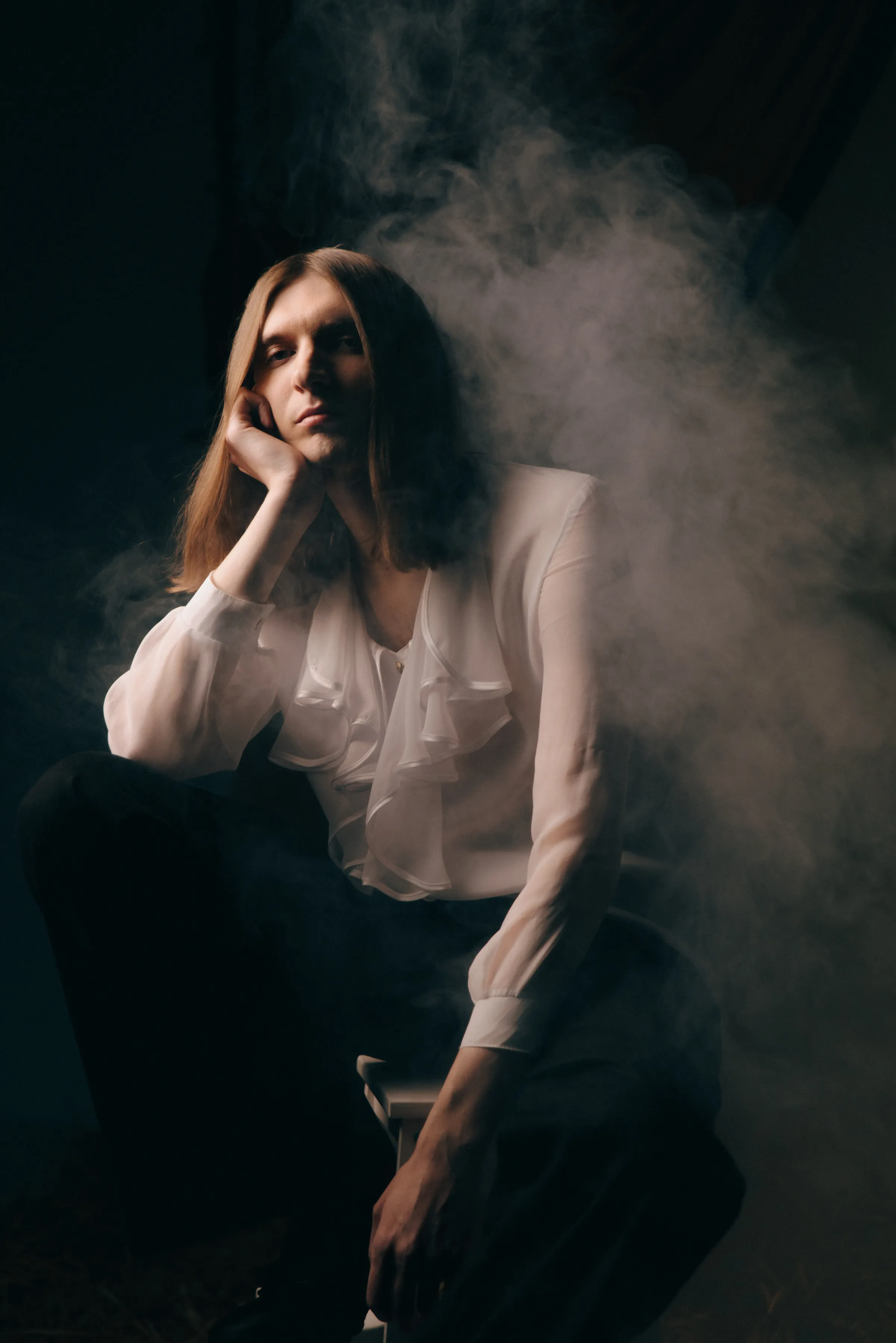
Lyosha Chumak. SOYUZ frontman.
K: Why is that, in your opinion?
Lyosha: I think because that's the main music market. And of course, there are many fans of similar music styles in the US. People started listening to us there, and worldwide in general, after the release of our second album. Streaming algorithms played a major role. A couple of years later, we released the next album on a British label, which also helped a lot with distribution.
K: Cool! Is Belarus anywhere on the list?
Lyosha: Yes. 21st place according to Spotify statistics.
K: Why do you think Belarusians listen to this kind of music less often?
Mikita: The statistics are only from Spotify, of course, so they're not accurate. There are other platforms. But either way, Belarus is never in the top 10 countries by number of streams. The reason, in my opinion, is that in terms of musical tastes/references, SOYUZ has much more in common with listeners from the top 10 countries.
Lyosha: Still, sometimes my mom sends me videos from Minsk establishments where our music is playing. It's nice.
K: Does your foreign audience know that you're from Belarus? Do you position yourselves as a "Belarusian band"?
Lyosha: Yes, that's always implied. Besides, the country of origin is listed in the band's description on streaming platforms. We're not hiding the fact that we're Belarusians. However, half of the band are now Polish, and we ourselves live in Poland. Perhaps it would be fairer now to say that SOYUZ is a Belarusian-Polish project?
Albert: International!
Lyosha: Exactly. That's even more interesting.
K: Which concert stands out most in your memory?
Lyosha: The last tour was really great. I felt this transition to a new professional level. Also, playing in Warsaw with a string quartet and flutes at Jassmine was incredibly cool. That was an extraordinary experience.
Mikita: I would highlight the performance in Stockholm. I was sick for almost the entire tour and could only join the band in Sweden. It was really great. The performance at Jassmine, which Lyosha mentioned, was also absolutely incredible.
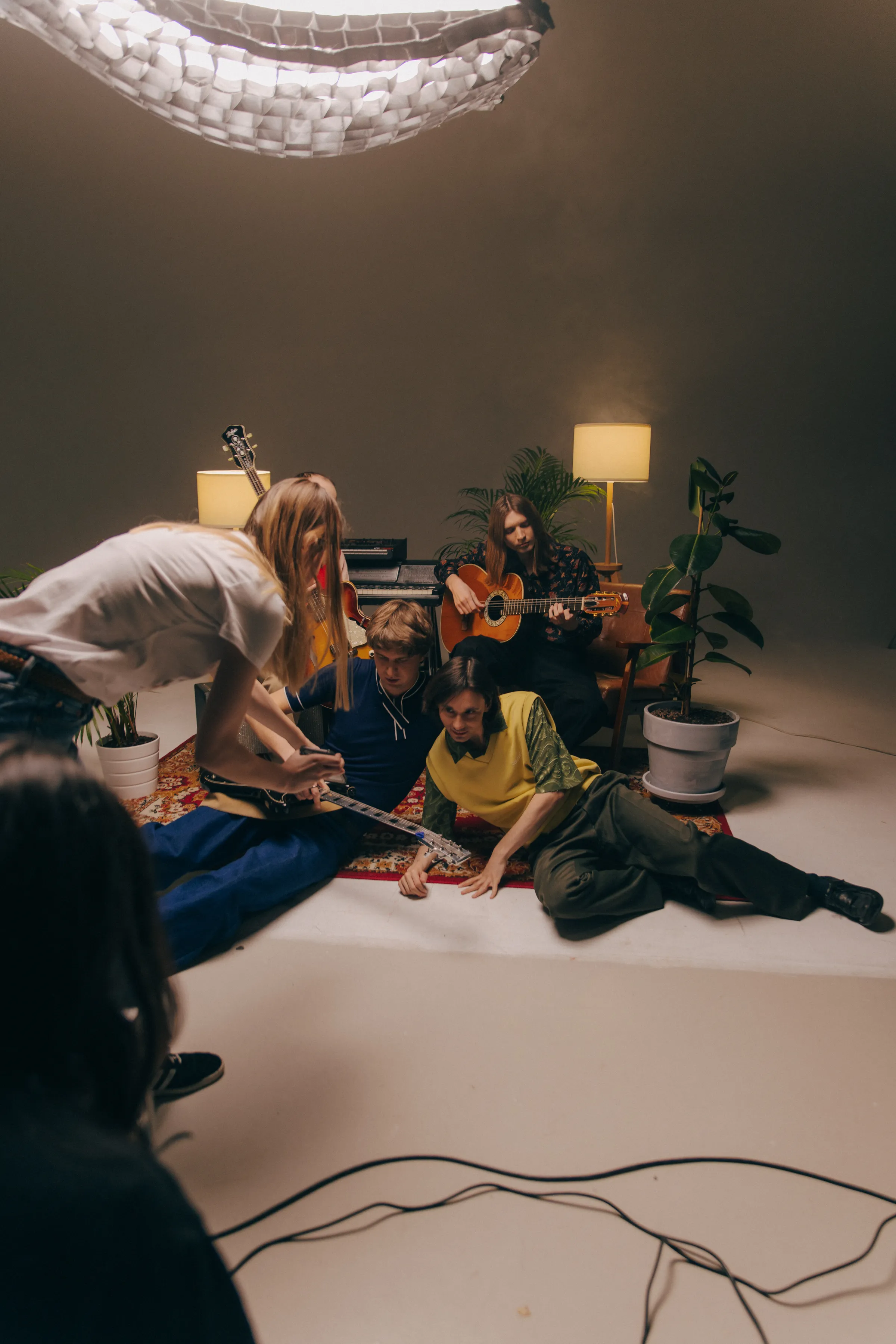
K: How do foreign listeners react to the fact that you're from Belarus?
Mikita: I remember after one of the festivals in Germany, a man in his 50s came up to us and said that as soon as he found out we were from Belarus, he knew he had to come. He said it was bound to be something special. I suppose that reaction was simply because Belarusians rarely write this kind of music.
Lyosha: And Europeans in general are more open to new and unknown things. I always try to keep the band's name in Cyrillic on concert posters. First, it looks cool. Second, it attracts additional attention from foreign audiences.
In general, I really like it when "СОЮЗ" is written in Cyrillic. The word seems to be made of circles, and between them is a separator — the line from the letter "Ю." As a graphic designer, I find some satisfaction in it.
K: Lyosha is a graphic designer outside the band. Are the rest of you full-time musicians?
Mikita: You could say that. I've tried working a "normal job," but one way or another, I always come back to music and realize that this is my life's work. Besides direct practice, I teach people to play instruments, production, music theory, and working with software.
Albert: I've been doing music my whole life. I've played with many different projects. But my main work was probably production. Now I work more as a composer/arranger. I also lead a big band ensemble.
Igor: I play with several bands and also run a venue called Ladom. I organize music festivals and performances for avant-garde post-jazz artists. Not only Polish musicians perform at Ladom — this year, artists from other countries will come.
Lyosha: Guys, compared to you, I feel like the least musical. laughs
Mikita: Yet you do the most for SOYUZ.
Lyosha: I've never really balanced multiple music projects. I've always focused more on my own music. Although, sometimes I do string or flute arrangements for other musicians. For example, since 2019, I've been collaborating in this format with the musician Sessa, my friend from Brazil. This year, his second album with my participation will be released, on which I played electric piano and synthesizer and wrote several arrangements. So, you could say I'm gradually becoming a freelance musician.
K: Mikita, you often hang out and play with Belarusian underground musicians in Warsaw. What's behind that?
Mikita: My girlfriend also asked me this question. She was very surprised that I still play with local underground artists. But I don't understand her surprise. I've been connected to the Belarusian scene for too long and too strongly. In a certain sense, I consider them my family.
These performances with Belarusians really help me feel better. In those moments, I feel like I'm connecting with home.
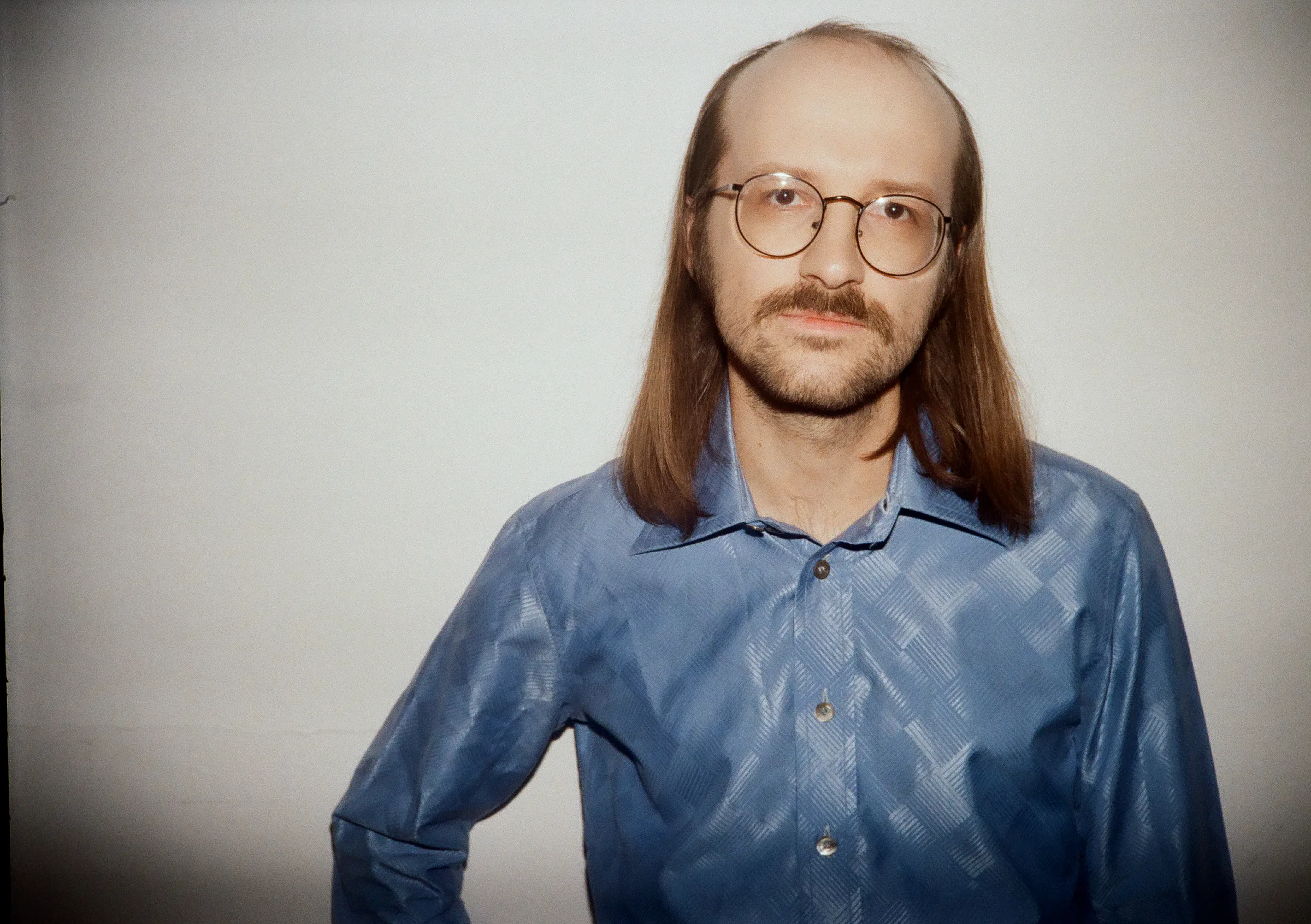
Mikita Arlou. SOYUZ bassist.
K: Once upon a time, Dusya Shukshina criticized SOYUZ for a song in Belarusian, and then she released a collaborative track with Applepicker (Mikita Arlou's solo project). How did that happen?
Mikita: First of all, we agreed on the collab before that statement. laughs Secondly, I was just interested in working with her. That criticism of the last track is her personal opinion. Although I disagree with it, she has every right to it.