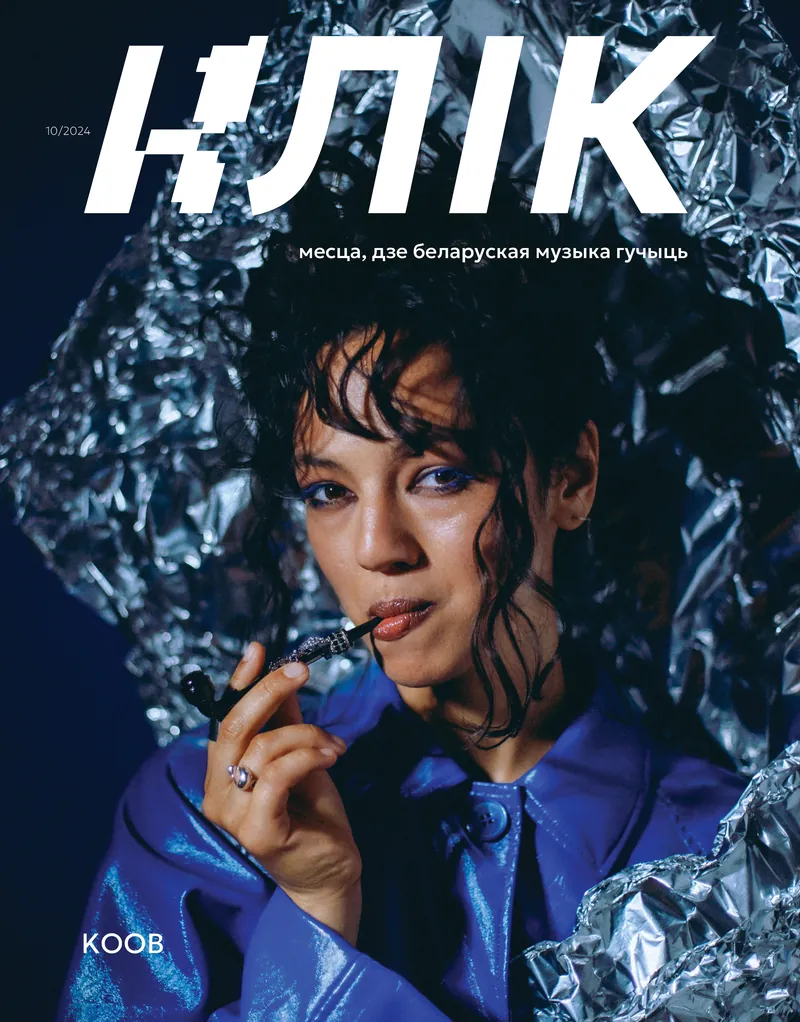
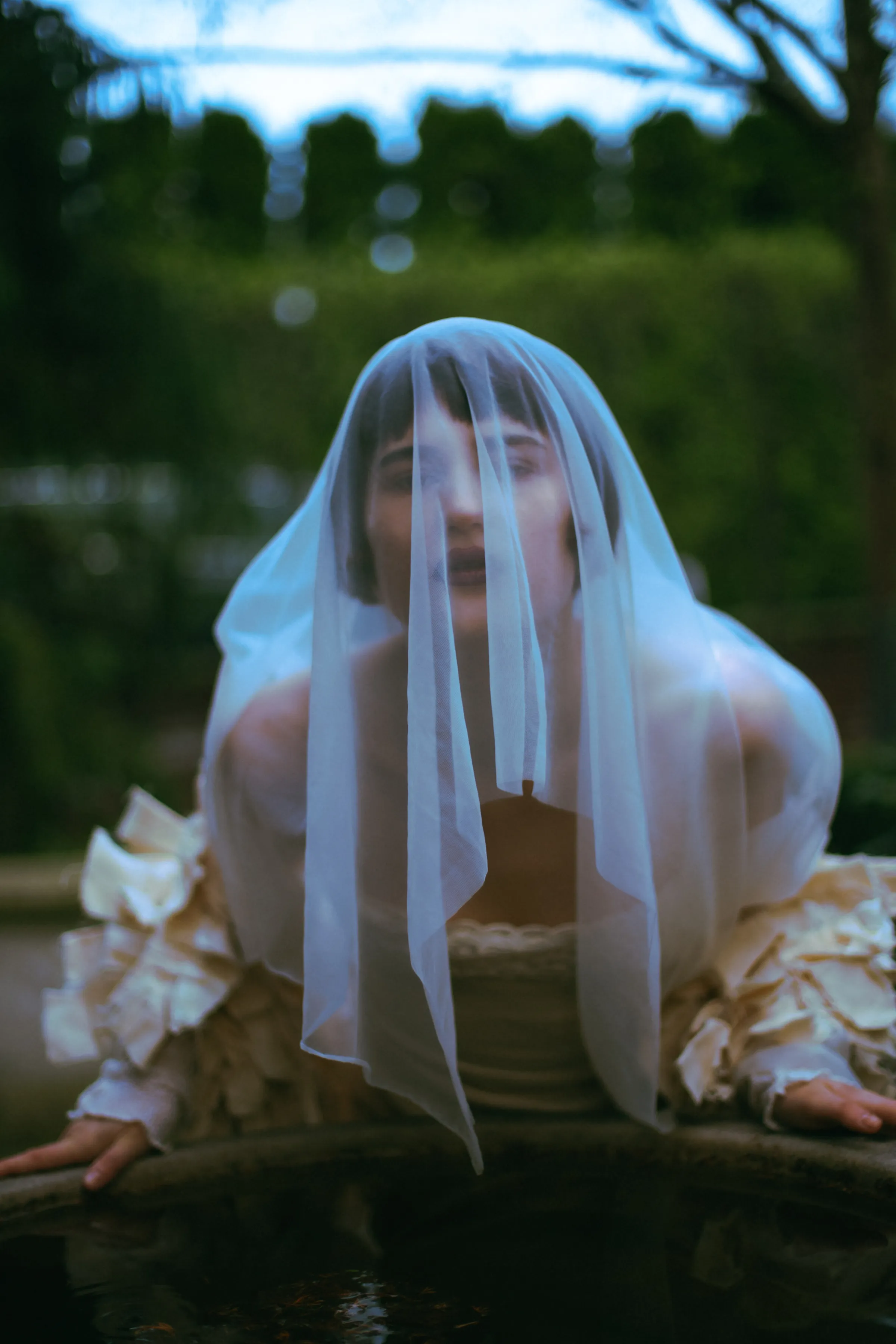
Anastasia Rydlevskaya on empathy, freedom, the ban on dreaming of music, and her new music video
Interview and photoshoot with Anastasia Rydlevskaya
“My music was born out of my mania”
During a manic episode, many people get the idea that they’re geniuses. That’s exactly what happened to me. I thought: ‘I’m a genius musician, so why doesn’t the world see it yet? Where are my songs? We need to get them out there, now!’
Interview - Anastasia Rydlevskaya - November 30, 2025
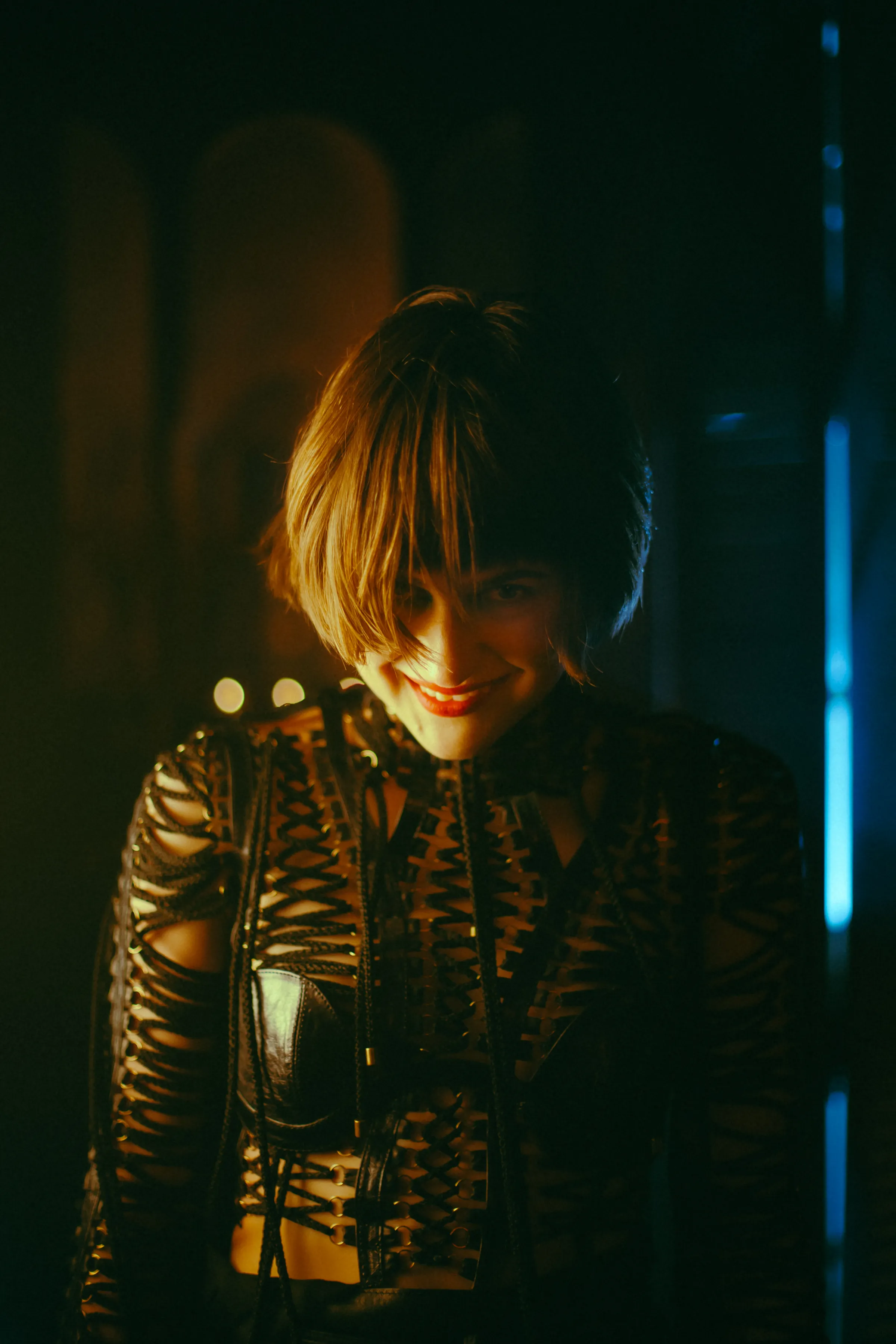
We could write something painfully obvious like “a talented person is talented in everything.” Technically, that wouldn’t be a lie. But instead, we’ll call it “the creation of a personal artistic universe” and tell you how and why Anastasia Rydlevskaya does exactly that.
She is an artist and musician who creates music that is incredibly honest, sometimes touching, and sometimes frightening. Why frightening? Because when you listen to it, it feels as if something deep-seated and wild is tearing itself out of you and starting to dance.
Nastya’s biography is full of the unexpected: a childhood in America, a denial of her Belarusian roots, mental health struggles, teaching at the Faculty of Philology, eating lilacs, and a long-standing battle with her fears. In this interview, Anastasia Rydlevskaya talks about how all of this coexists within her. She also shares her impressions of our collaboration on her music video for the launch of the YouTube channel KLIK.
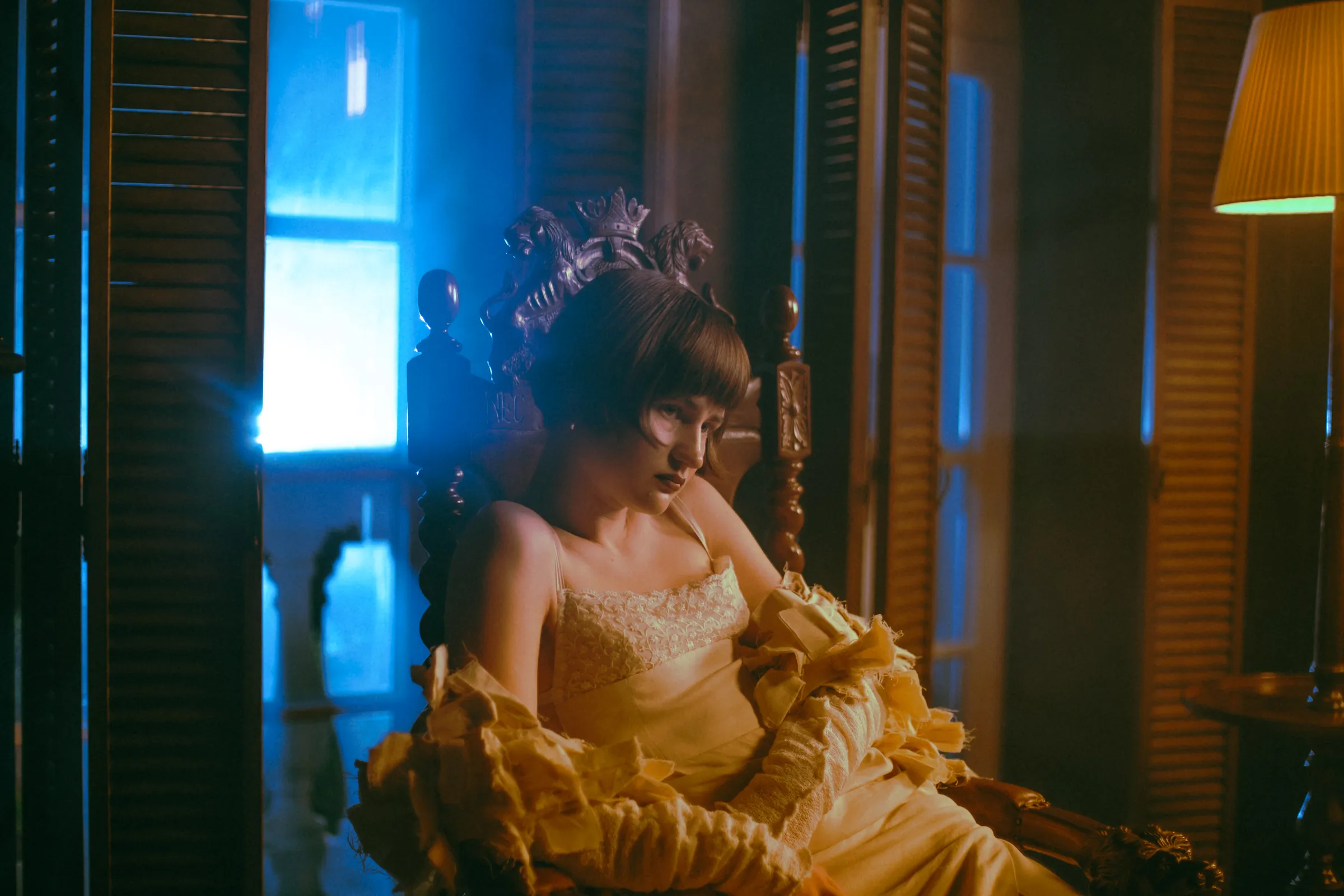
K: Historically, in Belarusian culture, you are known as a visual artist, but you’ve been releasing your own music for over a year now. Have you gotten used to calling yourself a musician or a singer yet?
A: Just a couple of weeks ago, I actually changed my Instagram bio to “artist/musician.” For me, that was a huge step. It still feels strange when people message me or invite me to perform somewhere. My immediate thought is always: “What makes you think I perform? I’m a visual artist, why are you writing this to me?” It’s surreal, but it’s a good kind of surreal, because the truth is, I kept my music hidden for a long time.
I’ve been writing music my entire life. When people ask which came first, painting or music, I always say I did both at the same time. I even have a video of my seven-year-old self composing her first piece on the piano.
I’ve gone through some very strange periods where I had zero self-belief. I didn’t even need a hater because I’d already done all their work for them. Essentially, I’ve been my own worst enemy when it comes to music. At one point, I even lost the ability to dream of being a musician. Even though it was… You know, I… actually, I eat lilacs.
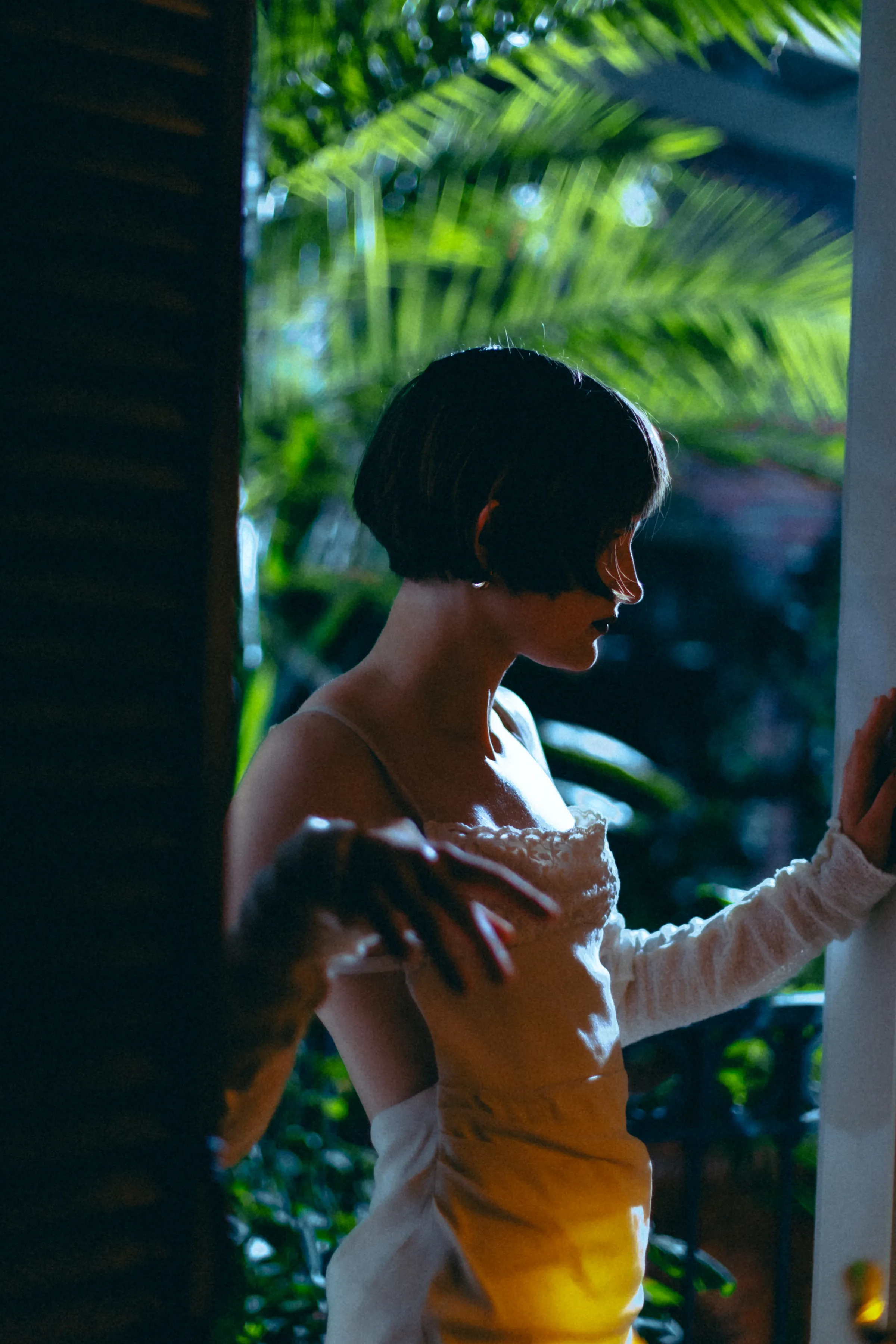
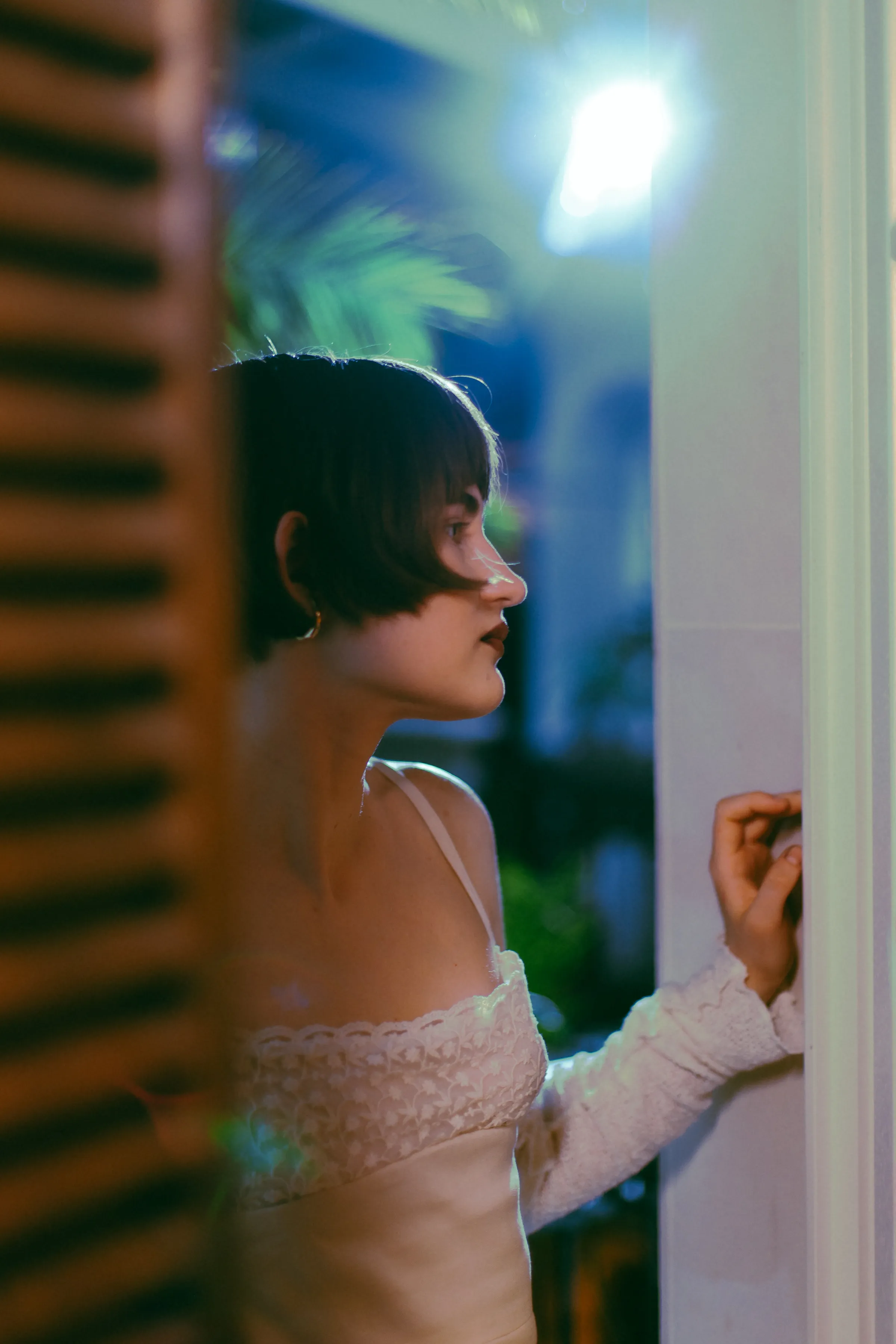
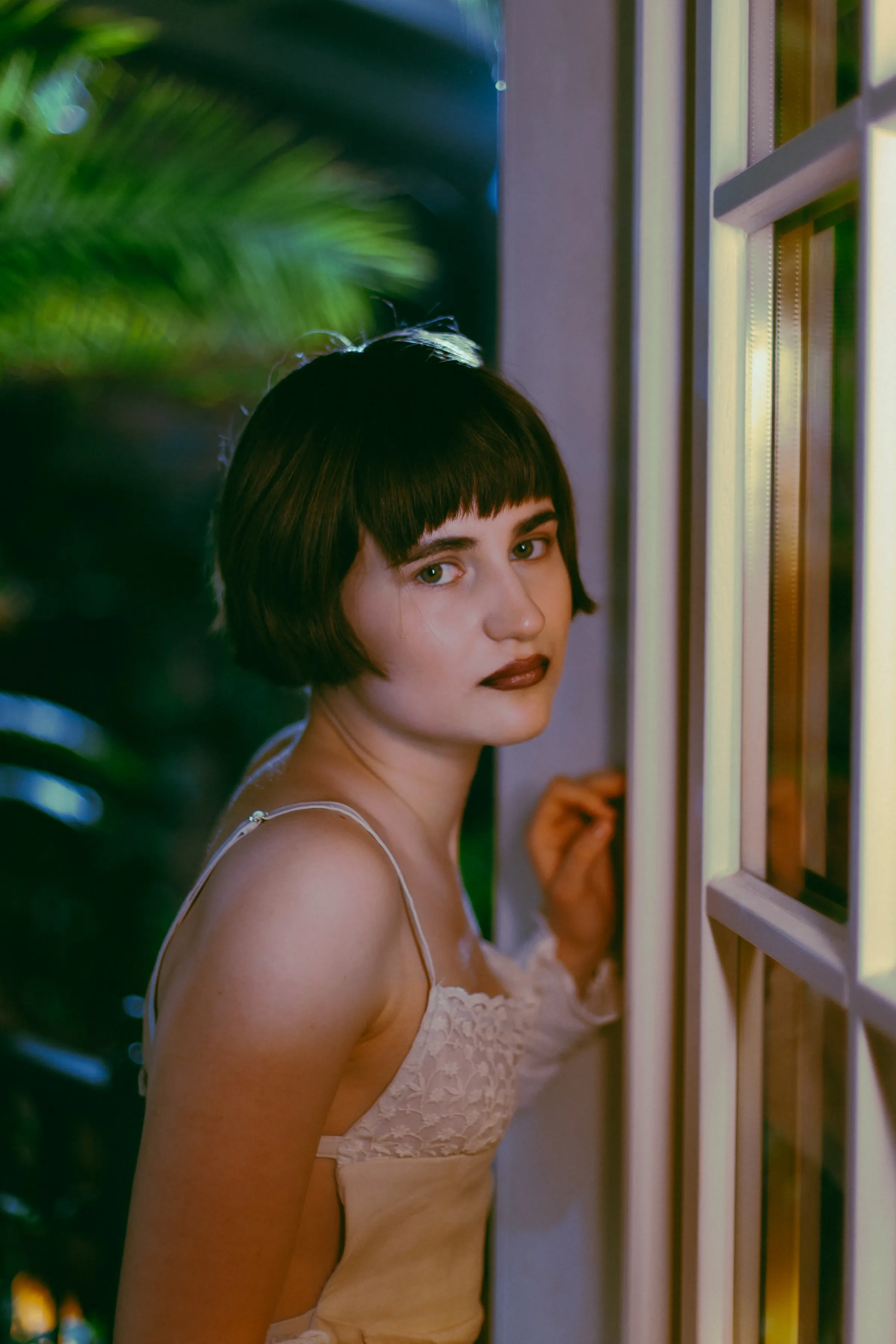
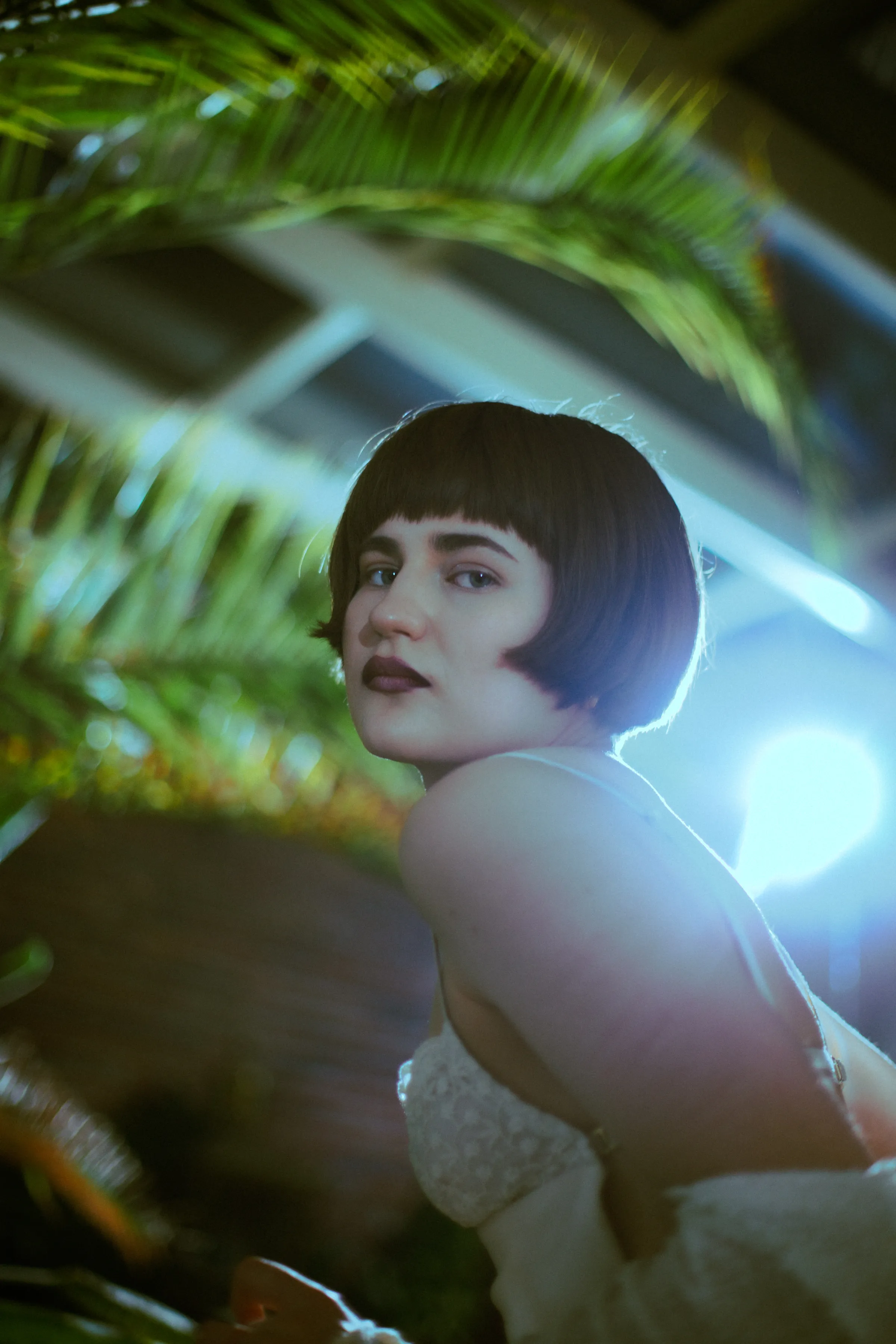
K: (Not expecting such a turn of events)
A: Wait, let me explain. It’s pretty sudden, but it’s all connected. I’ve been eating lilacs since I was a child. But not just any lilacs. As someone with diagnosed OCD, I look for flowers with five petals, seven petals, thirteen petals. And for every flower like that, I’d make a wish related to music. Long before anything else, I did this for music, and only later for art. Up until the point where I completely crushed my own spirit. As if to say: “No, I forbid myself from even wishing for this.”
K: So for a long time, you simply forbade yourself from creating music, even though it had always been a part of your life. How did you find your way back to it and finally decide to release your first track?
“My music was born out of my mania”
Anastasia Rydlevskaya
A: I was in a state of intense mania back then, though I didn’t even realize it at the time. It hit me like a lightning bolt. During mania, many people believe they’re geniuses. And I thought to myself: “I’m a genius musician, so why hasn’t the world seen it yet? Where are my songs? We need to get them out there, now!”
Then I realized I didn’t even know how to use Ableton, I had no way to record, and I didn’t have any money to pay someone else to do it. But the mania was telling me: “It doesn’t matter, we’ll figure it out right now.”
Sasha Karniejčuk spent three hours of his life on me. He explained the basics of Ableton, gave me his microphone, gave me his audio interface. Personally, I wouldn’t have trusted someone in the state I was in with an expensive piece of equipment, but he trusted me with everything. And in five days, I finished an album. In that manic state, I didn’t care about how. I just knew that if I wanted it this badly, I had to record it.
K: Have you found a balance now between visual art and music? How do all these things coexist within you today?
A: That’s a very interesting question, because back when I was developing as an artist, I felt like they were two completely different things. Like you’re either doing music or you’re doing paintings. Now I’m genuinely surprised I ever thought that way, because it’s all art. I’m creating my own artistic universe. For me, it’s no different than painting with oils and then switching to acrylics. I create paintings, I create masks, I create music. They’re all extensions of the same thing.
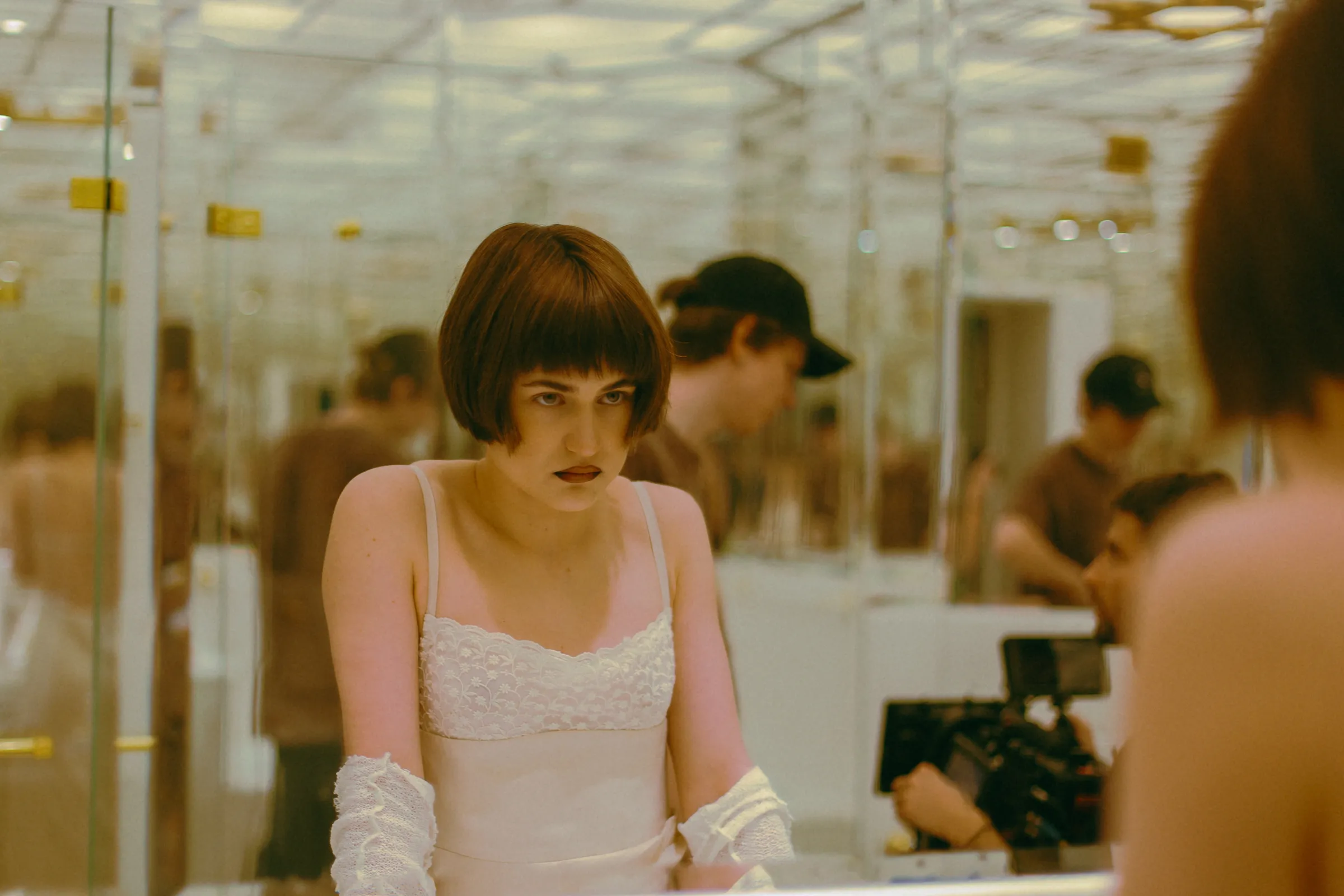
I’ve always seen paintings in music. When I press a single note and it rings out, a character appears in my mind. Then, as I improvise, that character’s story begins to unfold. I don’t remember the exact melody of the song I wrote as a child, but I remember that in it, I heard the story of a sad old man trying to save a dandelion from the rain.
“Paintings always have sounds, and music always has images. There are always colors, there are always stories”
Anastasia Rydlevskaya
It’s strange how I ever kept them separate. That sense of a unified artistic universe only clicked after university (Editor’s note: Nastya graduated from the Faculty of Philology at BSU, where she later taught), when I was studying the artistic world of Sylvie Germain. That’s when it hit me: an artist, a creator, is a whole world.
K: Tell us about how you record your music. You’ve set up a studio right at home, haven’t you?
A: I need a full day to record something properly because a huge part of the creative process is silence, stillness, and reflection. I set aside a day or two when no one touches me. I start with the drums because the rhythm helps me. As soon as a beat appears, a ton of melodies start layering on top of it. It’s like I’m fishing them out of myself.
I have a microphone, headphones, a MIDI keyboard, and even this special thingy, I don’t even know what it’s called, that’s supposed to block out background noise. But the noise gets in anyway. I was so fed up with this old man outside my window who kept yelling “kurwa.” He’d just walk around shouting it, and it was constantly getting recorded. You could actually hear him in some of my songs, so I had to restructure my workflow a bit. Now I start recording properly at night when the street finally goes quiet. There is still so much I don’t know. I’ve finished one Ableton course, but I want to take another one.
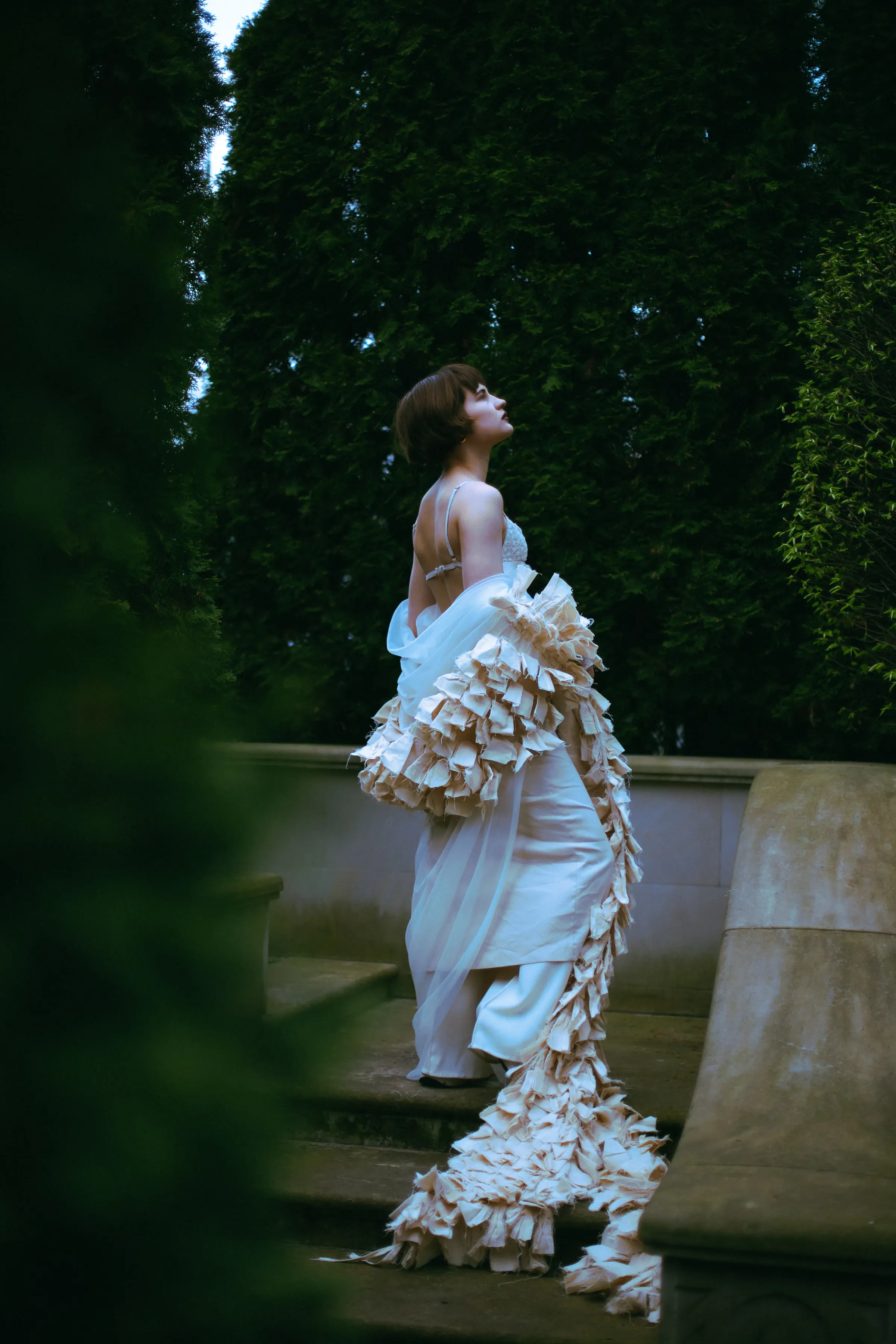
My approach to music is that I use my own diary entries for the lyrics, so there’s a much deeper connection to something intimate. I feel that only music can penetrate such incredibly delicate layers of consciousness. It connects, unites, and expands people so much more. It’s as pervasive as air and as fluid as water.
“I would feel awkward and terrified showing my diary to someone, yet at the same time I’m completely comfortable sharing those exact same words in my songs”
Anastasia Rydlevskaya
K: If you had to describe your music in just a couple of words to people who haven’t heard it yet, how would you do it?
A: I have a vision in my head of the music I want to make, and then there is the music I can actually make. I think my music is about empathy and freedom. Actually, all of my art is about empathy and the pursuit of freedom. Freedom in different senses: your freedom as a human being, freedom from your complexes, from fears, from various systems of oppression. And empathy as a dialogue with others, compassion as a way of finding common ground in this terrifying world. That’s what all the art I want to create is truly about.
K: Is your pursuit of freedom connected to the fact that you spent a long time trying to rid yourself of all those limiting words, actions, thoughts, and self-flagellation?
A: Absolutely. It’s a difficult journey of fighting with yourself. Like I said, I am my own worst enemy and my own best friend. There were careless words from others and unpleasant situations. But nobody treated me worse than I treated myself, forbidding myself from doing things, forbidding myself from simply being. I studied piano, but I was never “great” at it because I have Tourette’s. Then there were my crooked teeth. I decided back then that I couldn’t perform with crooked teeth; it was impossible. There was a mountain of different restrictions, so for me, this is truly about freedom first and foremost. Just let yourself be yourself, Nastya. Calm down, leave yourself alone. You want to sing, you want to do music, you can’t stop writing? Then just write. You want to share it? Then share it.
I really love that I speak much more freely in my songs. The track “Dance On My Own,” for which we’re filming the music video coming out soon, it’s like a scream for me: “Just say everything you want to say, Nastya!” And I’m like, “My God, that’s it, I’m saying it!” With this song, I wanted to say that I am who I am. Don’t try to put me in any boxes.
“I’m terrified, but I love overcoming that fear. I love seeing fear take up less and less space in my life”
Anastasia Rydlevskaya
K: You talk about overcoming fears, yet you consistently turn down live performances. Is that your next goal in your battle against fear?
A: Yes, I want to overcome this fear; I will perform. But I’m certain it won’t be comfortable. I remember how many times I tried to perform with my guitar and my own songs at the Faculty of Philology. I tried and tried, but every single time it threw me into such a state of terror. I just want to check one more time how it feels now.
K: Have you ever had at least one good, pleasant performance?
A: I used to be such a driven, insecure person. I constantly felt like everyone hated me, like I was unpleasant to be around. I think there either wasn’t enough support for me at that time, or the people who mattered to me weren’t listening.
I wanted to get into the BSU music festival . I had just started playing the intro to my song “Dreamers” at the audition when they told me: “That’s enough.” And that was enough for me too. Or it was enough when someone commented: “Nastya, I showed your songs to my brother, he knows English well, and he said you’re singing nonsense.” I lived in America, it was my first language! But that comment was enough to convince me I actually didn’t know English at all.
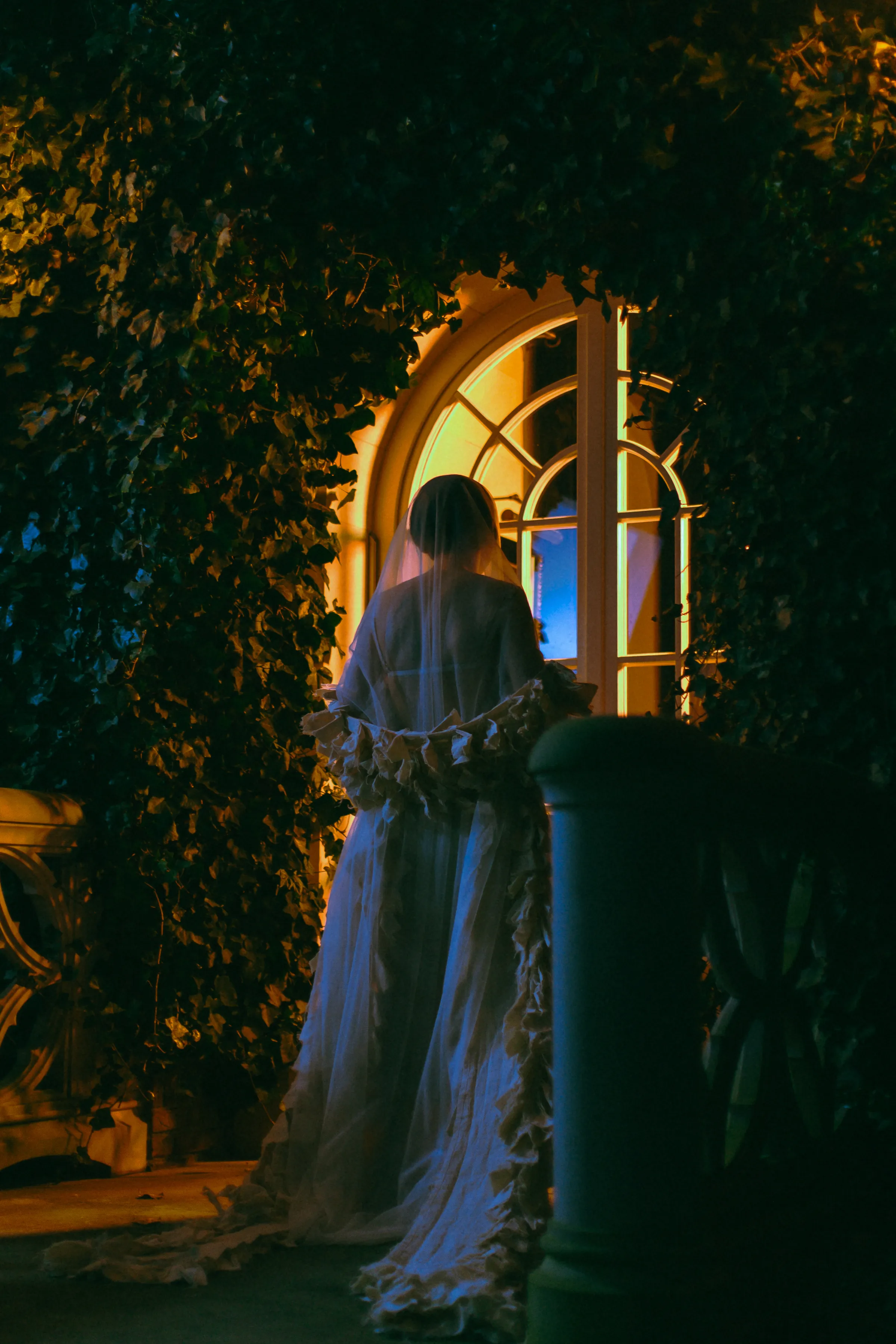
In 2015, Loïc Nottet performed, and I recorded a cover and entered it into a VK contest. I won first place. I even got a thousand likes on my profile picture, just so you know. But even that didn’t convince me.
K: But now you’ve already agreed to a couple of performances, as far as we know. Tell us, how did you make that decision and how are you preparing?
A: Yes, I’ll be performing at a festival on June 1st. I haven’t done vocal training since 2015, I’ve forgotten so much, I might hit some flat notes. Someone might even comment under the video: “Oh my god, her music is unlistenable!” So what? I’m not doing this for anyone else. I’m doing it because it brings me immense happiness. The fact that I’ve simply allowed myself to be happy is enough. It’s worth more than any number of streams or all the Grammys I’ll probably never get, though one can always dream. When I sit down to write a song, it just electrifies me, it tears me open. This is life. It’s what I live for, and it’s incredible. I’m scared to perform, of course, but that won’t stop me from making music anymore.
K: You mentioned that English was the first language you ever spoke, and that you lived in America and France. How did you end up there?
A: I love remembering my time in America. My family moved there when I was about two and a half because my dad got a job. We lived there for almost five years, but eventually we had to return. When the visa expired, we stayed on as undocumented immigrants for a while, but then my Tourette’s started. I began blinking uncontrollably, I couldn’t read anymore, I was constantly twitching. My parents got scared, because if you’re undocumented, you don’t have health insurance.
“I see my time in America as one of the happiest periods of my life, but up until the age of 14, I resisted my Belarusian identity so much that I convinced myself I was American”
Anastasia Rydlevskaya
I believed that once I turned 18, I’d go back to America and live in my own house. My home was in Ohio, and my entire goal in life was to return. I wanted nothing to do with the place I’d been dropped into. I didn’t choose this. I was in shock at how things worked here, and I felt terrible. I arrived in Belarus, and no one would say hello back. In America, I’d walk down the street and say, “Hi, how are you?” and people would say, “Hi, I’m great, thanks, sweetie.” But in Belarus, asking “How are you?” got a completely different reaction. I’m a very sensitive person, and it shocked me so much that I think I developed depression at age eight. I didn’t understand why we were here, and no one explained it to me. We just came back, and that was that. I was so angry with my parents. I didn’t truly forgive them until I was about 17.
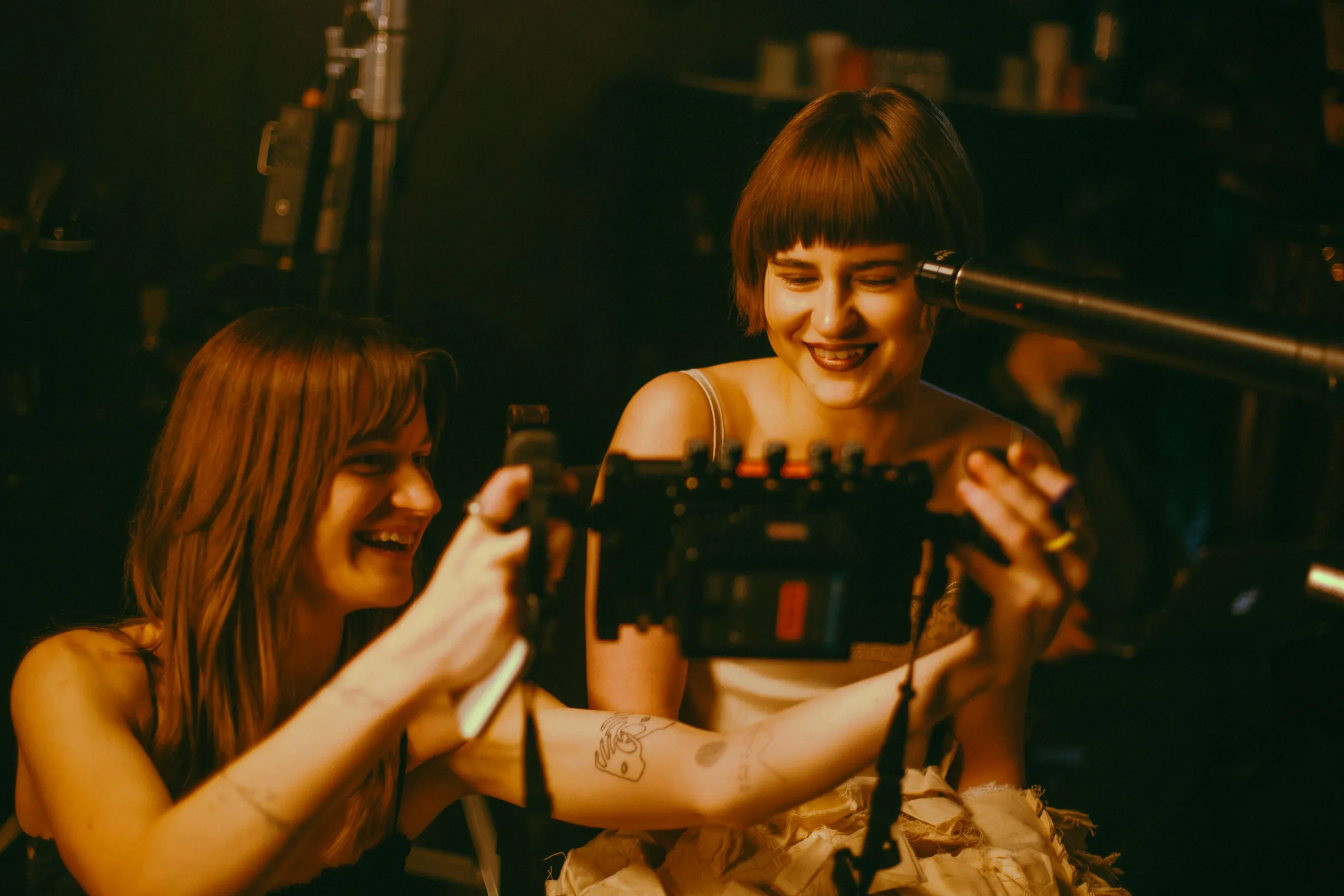
Anastasia Rydlevskaya with the director of Dasha Madsangria’s music video
When I came back from Paris, where I’d spent a semester on exchange, that feeling hit me again so hard that I’d just close my eyes and imagine I was walking the streets of Paris, not Minsk. I desperately wanted to leave. But the hatred was gone, the sense of opposition had faded. I wanted to leave because I’d felt so good there. That was around 2016, when I started to feel my connection to the history, the land, the culture of Belarus for the first time.
K: How did you come to accept and understand your Belarusian identity?
A: Probably through our dacha. My parents got a place out in the countryside, and I love it there. That place feels like home to me. And then it hit me: this is Belarus too. This land, this grass, this history. Back in school, I always thought I was just passing through, that I’d leave, so I never bothered learning the history or the language. I just didn’t want to know any of it. But then, slowly, as I started to understand that we’re all fighting for freedom, all growing, something like empathy appeared. So through the land, through my mom, who has this very pagan relationship with nature, I thought: this is our culture.
K: A month ago, our KLIK team offered to shoot a music video with you. We spent a long time working on the concept, the visuals, the song itself, and assembled a big team. The shoot recently wrapped after twelve hours, and now we’re getting ready to release it. Let’s call this our team feedback to each other, in front of witnesses, after such a big project. Tell us about your feelings, both from the process and the result.
A: You know how I was saying I used to dream constantly about a music career, about performing, about recording songs? It feels like after ten years, it finally came true. I genuinely tried not to tell anyone we were shooting a video because I couldn’t quite believe it. I kept thinking they’d tell me at some point that they’d changed their minds. Or that it was a prank. But when we actually started shooting, I was just standing there while they spent a long time setting up the light for one scene, and I started smiling. It hit me. This is it, this is the moment. I was so overwhelmed with joy. For the first time, I actually felt that this could really happen. So for me, it was about the fulfillment of a huge dream, because physically I never could have done this on my own, without you.
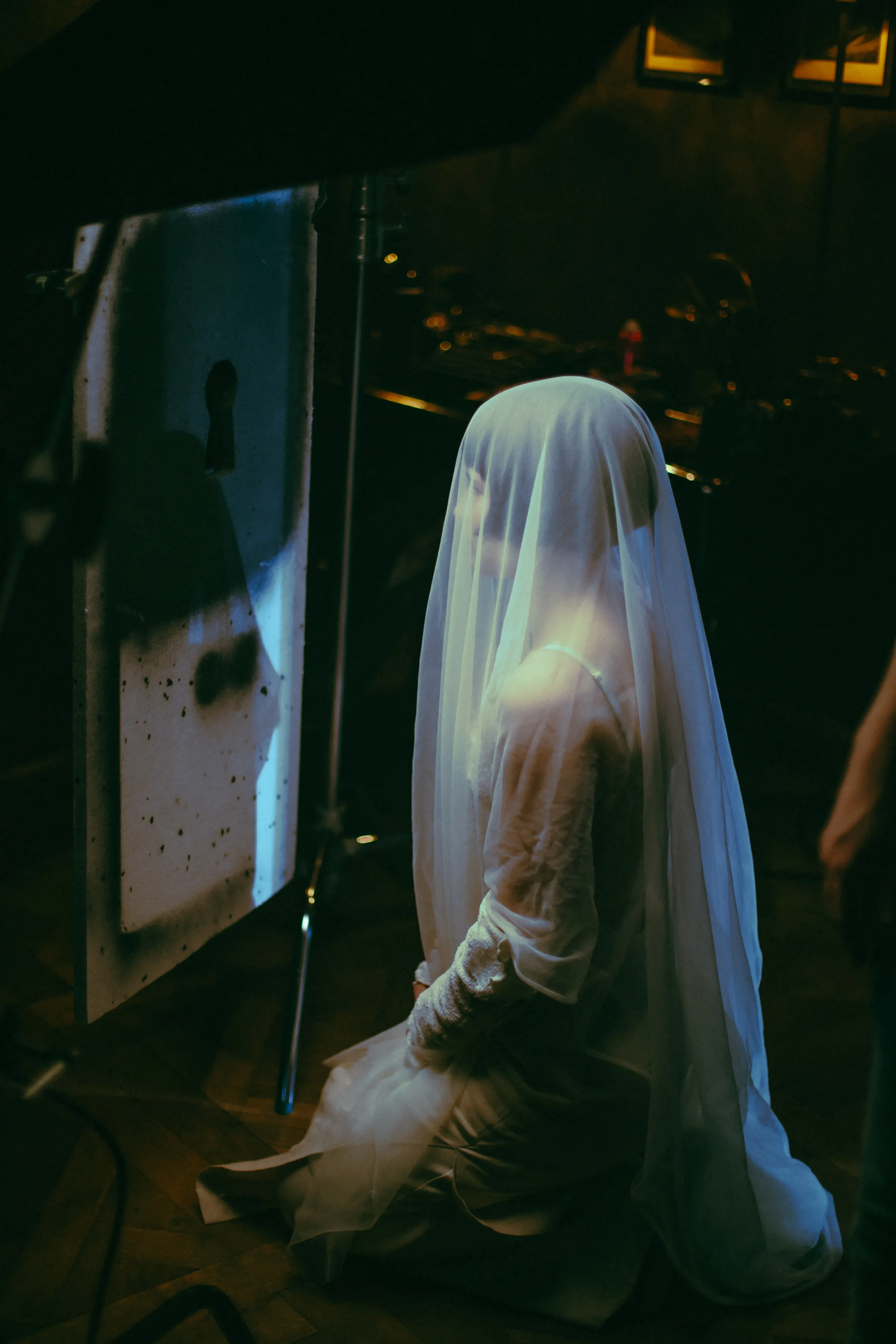
The process itself amazed me. There wasn’t a single argument on set, no one was shouting. Everyone did their job perfectly, and it was so comfortable. I used to think that working with a large group of people would be nerve-wracking and stressful, that everyone would be irritable. It was a huge responsibility for me, especially since I’m not an actress. But I felt at ease. I wasn’t scared. I felt at home. I am so grateful for such a kind experience, for the way I was treated, for the team that came together, and for this opportunity. It’s like a dream come true. When you first offered to do the video, I was so blown away that I managed to write the entire song in just two days.
K: And we sincerely believe this song is the best thing you’ve created so far. What is it about? What is the core idea behind the song and the video?
A: In short, it’s about freedom again. Freedom from how other people see you. More specifically, it’s about my entire experience communicating with a certain part of the art world, about those painful moments where you’re constantly proving yourself to someone, constantly being judged or not taken seriously. You’re always treated like a “nobody,” and you don’t understand why.
It’s about tearing down the painful mental narratives in your head and embracing your own otherness. Accepting that maybe not everyone will love you, and that’s okay. It doesn’t make you any less. You’re just different. It’s the freedom of accepting yourself exactly as you are. That’s why the song is full of imagery related to dancing, the earth, the funeral of something painful, and the acceptance of one’s own madness.
I accept the fact that I have mental health conditions, Bipolar Disorder and Tourette’s Syndrome. I realize that many people might find this uncomfortable. No matter how openly I speak about my mental health, I’m still scared. When I did an interview with Nasha Niva and saw the comments, it hurt. I shared some very intimate things there, but I believe these things must be talked about. It’s important to me that there is acceptance in society rather than judgment, hatred, or rejection. And the director, Dasha Zagorskaya, helped translate all of these meanings into the video. It is exactly how I see my song.
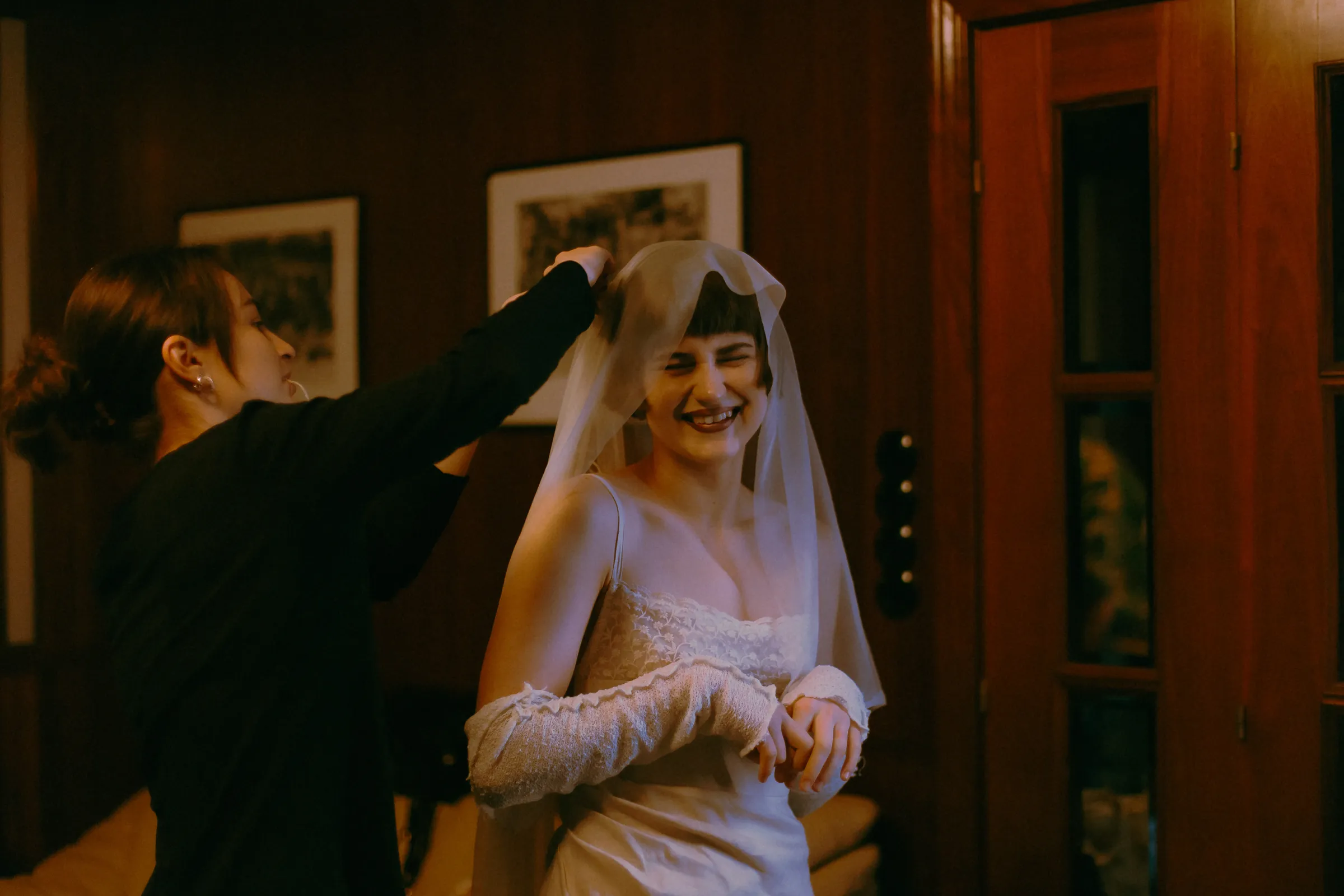
K: When we were developing the visuals for the video, you insisted on red lipstick. And honestly, a lot of people already associate you with red lipstick. Why is it so important to you?
A: When I see myself without red lipstick, I always think: who are you? What kind of person are you? I was actually quite the character back in school. I wore high heels, red lipstick, a different outfit every day because my parents had a secondhand clothing store. I loved dressing up. Then I started university and went through a crisis. And in 2019, I started coming back to myself. I am red lipstick. I feel most like myself in it.
K: What are your expectations for the video release?
A: I think I’ve already gotten the best of it for myself, and I honestly can’t imagine what could be better than this. So my main wish is simply for it to come out, to show it to my mom and dad, to my husband Lyosha. Of course, it would be wonderful if a lot of people watched it. I really do want that.
K: How many is “a lot”?
A: More than five thousand, I think, because my first video has five thousand views. I’d really love that, because the work is so good, so many people put so much into it. I’m really happy with how it turned out.
K: We’ve talked a lot today about overcoming fears and resisting anxiety. Can you share some words, or maybe techniques, that help you deal with fear? Obviously there’s no universal fix, no magic phrase, but what has helped you, and what do you think might help others?
A: The phrase that really helps me is “So what?” Take the upcoming performance. I’m terrified of it. But there’s a fear that paralyzes you, and that’s the one I really fight against. And then there’s a fear you simply can’t escape. To the paralyzing kind, I say: “So what?” What’s the worst that could happen? The absolute worst is that I won’t be able to get enough air, I won’t use proper vocal breathing, I might even hiccup into the microphone. So what? Will I die? No. Will my family be okay? Yes. Will I stop making music? No. So nothing irreparable will happen.
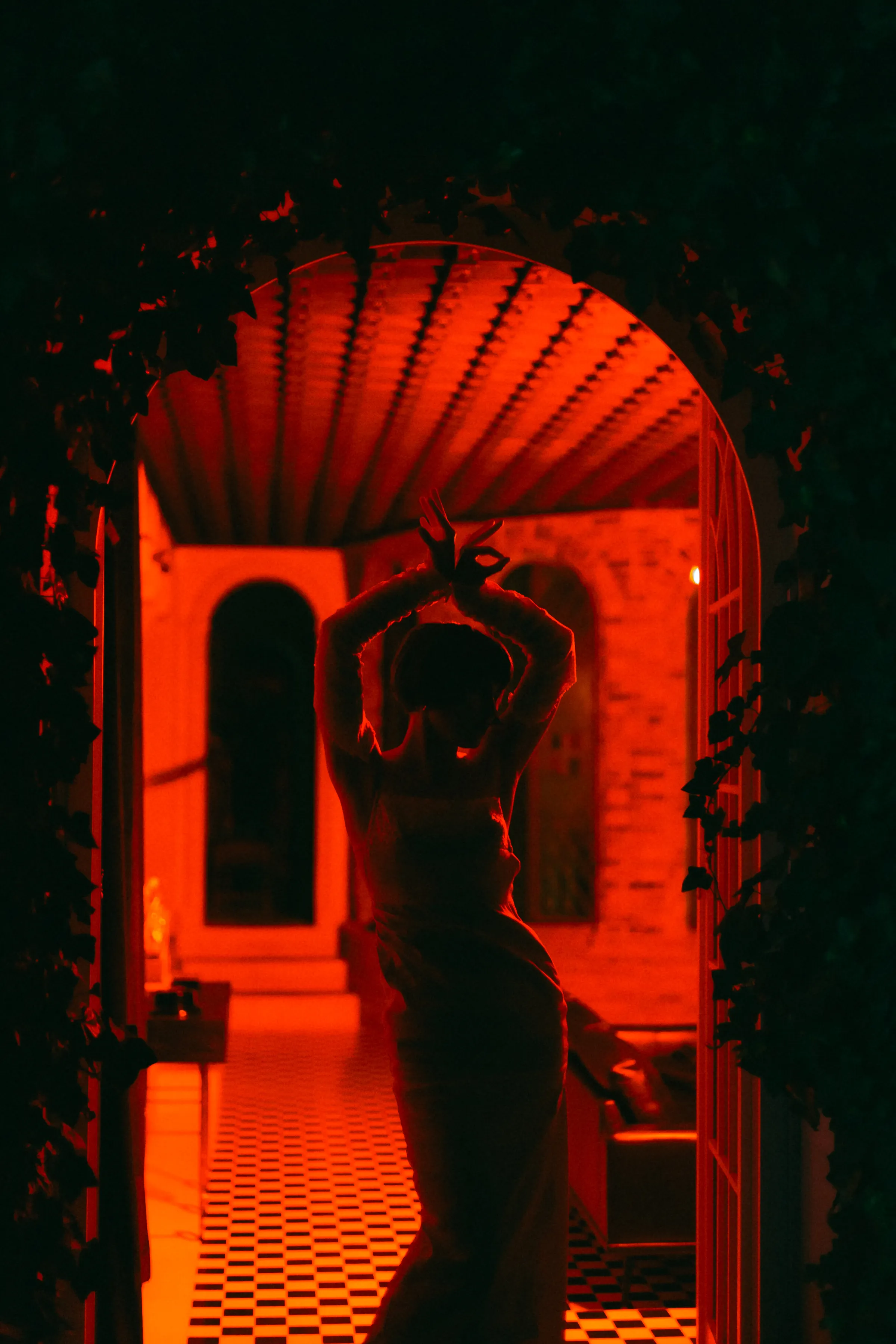
It also really helps to think back to my younger self, my twenty-year-old self, and remember how unhappy I was. How sad that was. Do I want that for myself? No. I was unhappy because I wasn’t doing what I love. I don’t want to go back to being that small, beaten-down, lonely person. I’ve already learned what it feels like to live by pushing through fear. I don’t want to be anyone’s prisoner, not anywhere, not ever, not in anything..