
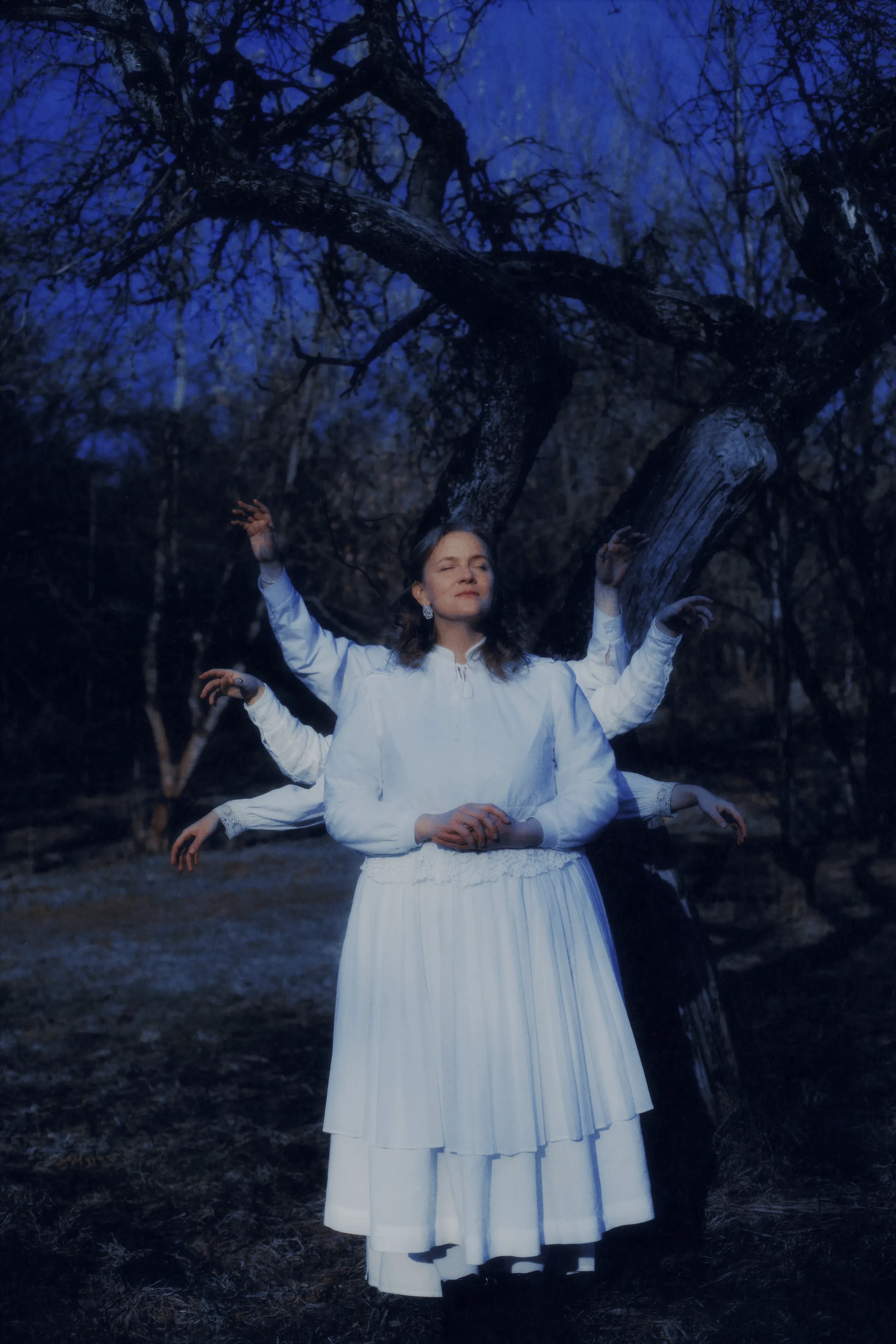
"When a song comes to me, I have to create and publish it"
Interview with Brama Mora band leader Darya Zueva
Darya Zuyeva is the founder of Spiewna Majsternia and the leader of the folk group Brama Mora. Her work reflects Belarusian traditions, history, and cultural heritage. In this interview, KLIK spoke with Darya about her creative journey, the therapeutic nature of singing, and her perspective on the reasons behind the breakup of the band Ralla.
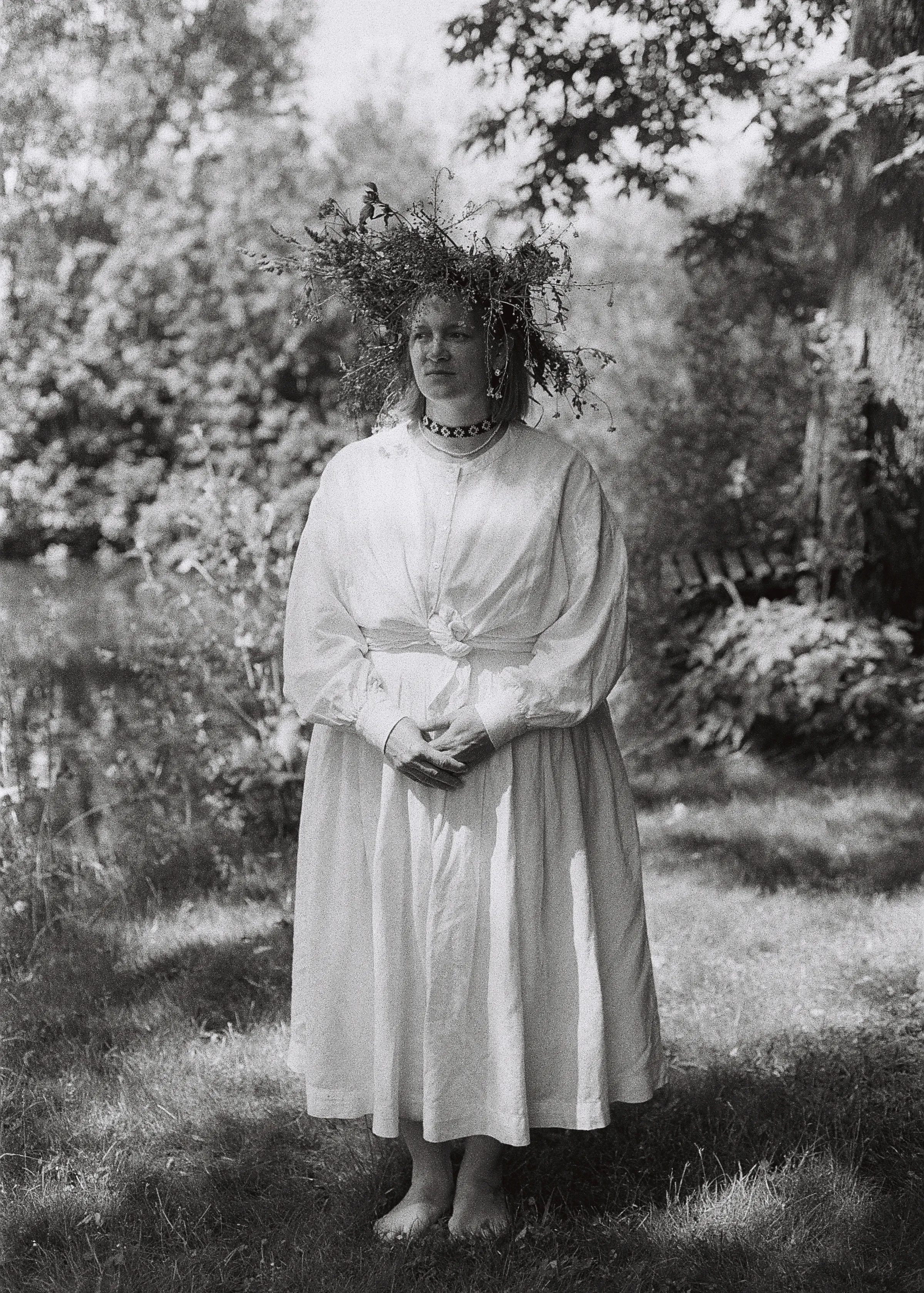
– Tell us about yourself. How did you first get into music?
I started by singing in a choir at music school. Then I decided I would become a cultural manager in the university and kind of stepped away from music. But after a year, I realized I couldn't live without music.
15 years ago, my teacher invited me to join GUDA – a band focused on preserving and performing Belarusian ceremonial and ritual songs a cappella. That's where my passion for folklore began.
There were many talented people around me, but at the time I didn't realize how incredible it all was. I thought it was like that for everyone. But now I look back on that time as a golden era. It turned out that all those people went on to form their own groups, and essentially, they now make up the backbone of the Belarusian folk scene.
– Your creative work and your personal social media are all about traditions in their purest form. How did you come to Belarusian culture?
Actually, I didn't have what you'd call a "village upbringing" – I was born and have always lived in Minsk. I discovered all of this anew when I went on my first ethnographic expedition. I felt that I could draw strength from our culture, and my path forward became clear to me. I started asking my grandmother more questions, but unfortunately, she had been living in Minsk since she was 16 and only sang me one song.
– Do you remember what song it was?
"Near a big mill a viburnum bloomed." It's quite a well-known song in the villages.
“I struggled with my voice. I didn’t feel like I was good enough”
Darya Zueva
– How did you expand your cultural experience?
While working with GUDA, we traveled abroad a lot to major folk festivals, and their scale really impressed me because we didn't have anything like that here at the time.
What struck me most was the attitude toward folklore. Folk tradition bearers – ordinary local groups from villages – are always held in high esteem: people listen to them, learn from them, and care for them. Ordinary audience wear traditional costumes to the festival and take pride in who they are. Through that sense of dignity, I began to take a greater interest myself – I started listening to a lot of village singing, traveling to villages. I also began studying Belarusian instrumental music, especially bowed-string melodies, and playing in kapellas at dances.
– How did you feel after your first festival performances?
Of course, at my first performances I was very nervous and prepared meticulously, because it was the first time I was performing in front of such a huge audience. I was especially nervous during my first solo performance – I felt short of breath, and it seemed like my voice was trembling and I couldn't connect with the song.
With GUDA, we performed solo programs in other countries, including in small clubs. After the concerts, people would come out so inspired and compliment my voice. And I was surprised, because in my head I could still hear my old choir teacher's voice saying that singing wasn't for me and that I'd be better off doing something else.
"I had a difficult relationship with my voice. I didn't feel my own worth."
Darya Zueva
– What happened after GUDA?
After GUDA, I formed the group "RUTVICA," where we sang calendar-ritual songs a cappella. I was also a member of "MIAREZA," where we explored border regions and sang Belarusian songs from those areas. At the time, I felt that the folk scene was quite closed off, so I created Spiewna Majsternia – a space open to women with any level of singing experience. The only requirement was a love for and curiosity about the tradition.
– What is the purpose of Spiewna Majsternia?
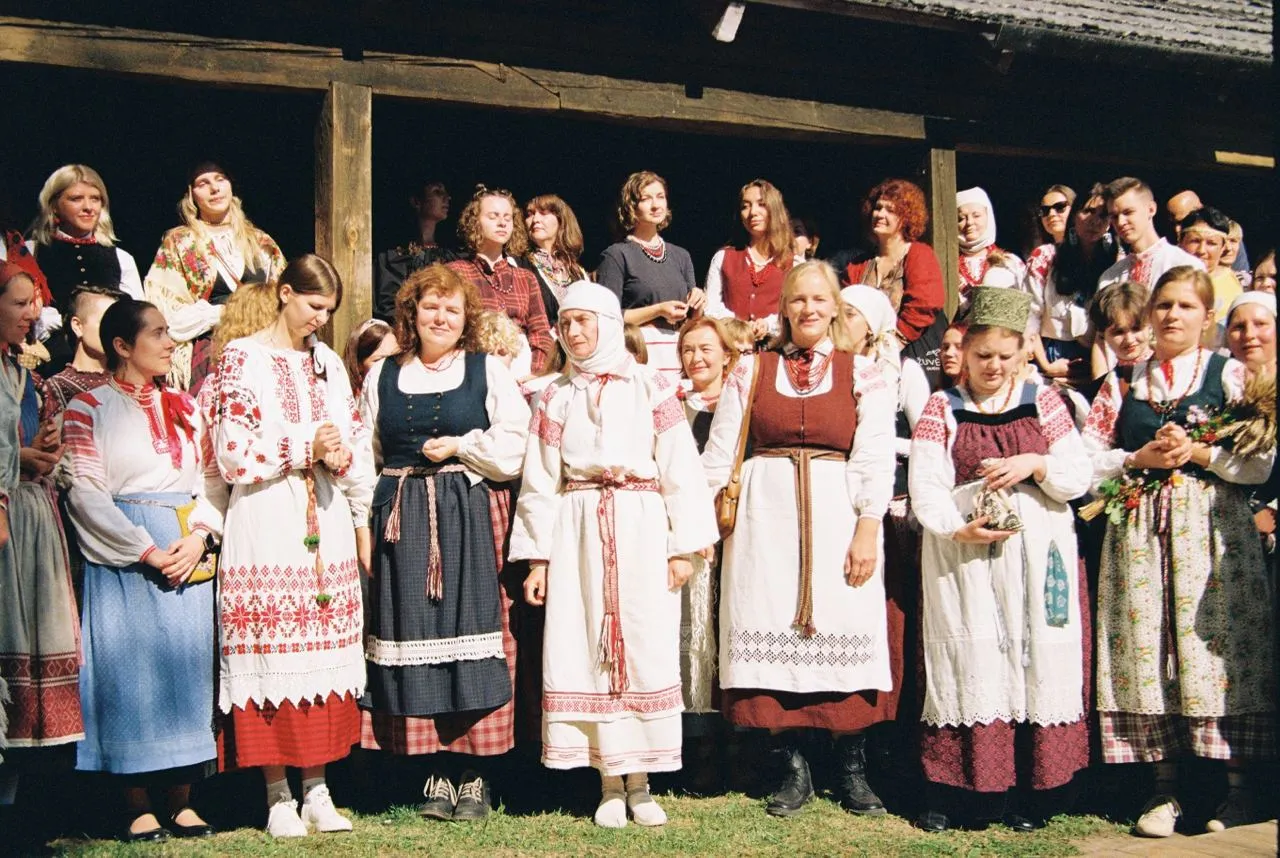
Now it's more about therapy. No one there will say to me, "You're singing it wrong" or "That's not appropriate." We sing village songs according to the calendar, we dance, we make the songs and dances relevant – and in this way, they come alive through us and for others. We also take trips to visit elderly village women and maintain continuity. We celebrate holidays together and bring our children along, so we're keeping alive a branch that hasn't broken with us – and I really hope it will continue to grow and flourish.
– What do the meetings look like, and how can someone join?
I have three main groups. We meet on Tuesdays, Wednesdays, and Thursdays. There are also temporary sessions – four-session singing workshops on specific themes. The sessions start in August and end in July.
Last year, there was also a great project with Alesia Avanturysty, who organizes themed tours around Belarus. Over four sessions, we learned songs from a particular village, and then we traveled to that exact village and sang there with the local elderly women.
To join, you can message the account @spieu.majsternia. We're planning to start the new singing season in September.
– You've mentioned the calendar and the wheel of the year several times. What is that about?
We have certain points in the calendar: the big ones are Hukannie Viasny (Calling of Spring), Kupalle, Bahach, and Kalyady (Christmas). The smaller ones are minor holidays. There are songs designated for these celebrations. For example, during Zhnivo (harvest time), we sing women's harvest songs – about longing for maidenhood and the hard lot of women. In autumn, we sing more lyrical and wedding songs. And then there are Kalyady – songs of procession, meant to wish the hosts prosperity and a good harvest for the coming year. Each season has its own vibe and different feelings. And the next year, it all starts anew. This cyclicality is very therapeutic and grounding.
"With each cycle, these songs layer themselves within you, and you feel like you're syncing with nature. It's incredibly stabilizing for the psyche."
Darya Zueva
– Why, in your opinion, are most Belarusian songs so tragic?
I think it's a form of self-help in processing pain. It works for me. All my life, whenever I was sad, I would shout out, play out, or sing out that pain. There are fewer light-hearted narratives, but they do exist.
– How do you choose which songs to sing, aside from the holiday theme?
I listen to them through available sources. Nowadays, many folklorists are opening up their archives, and you can also find a lot on social media and YouTube. I just sit down, listen to everything, and pick the ones I like for their melody, story, or mood. Sometimes I've even brought songs straight back from expeditions to the workshop. And there are kind people who send me worthwhile material.
– Tell us about your experience with expeditions to villages.
Expeditions are certainly not luxury conditions. You go there as a volunteer. It's always some kind of house where everyone sleeps. We call it the "base," and from that base you go out to neighboring villages.
The typical plan is to arrive in a village, find the House of Culture, talk to the director, and find out which elderly women sing. If there are none, you just knock on doors, meet the residents, and ask around.
Once we traveled to a village in Russia, but the elderly women there speak with our dialect. We spent the night in some abandoned school.
There have been all sorts of situations. Once, some guys from the village we were walking through chased us across a field. They were very curious about who we were and what we were doing. At the moment, it seemed like they might beat us up. But the head of our expedition somehow managed to talk to them, and we got away.
Other times were different. On a Vileyka expedition, we met a 97-year-old woman. She could barely see or hear, but she sang us a calling song. There was no melody, just a raspy voice, but she sang so sincerely that we were all in tears.
– Tell us about the project Brama Mora.
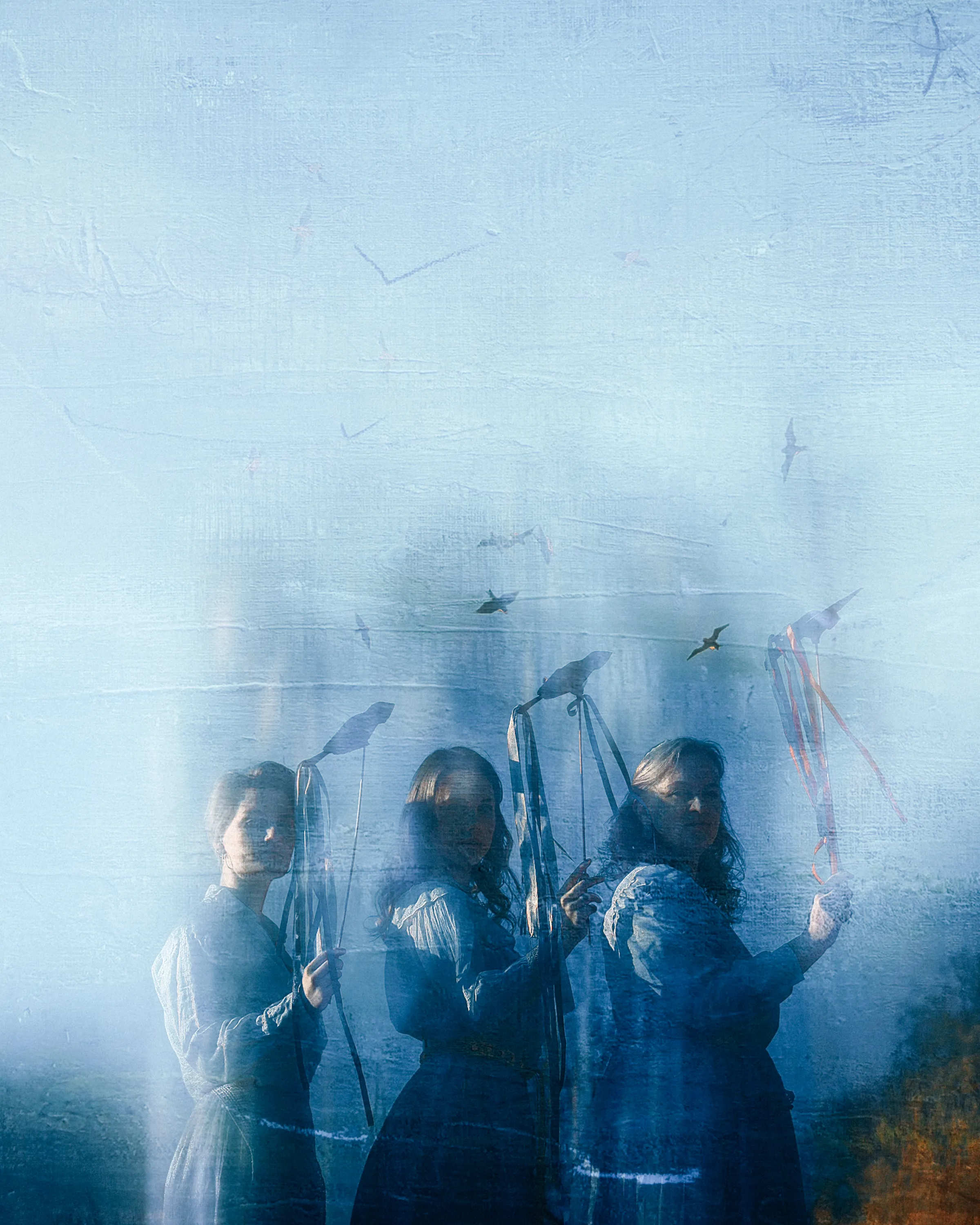
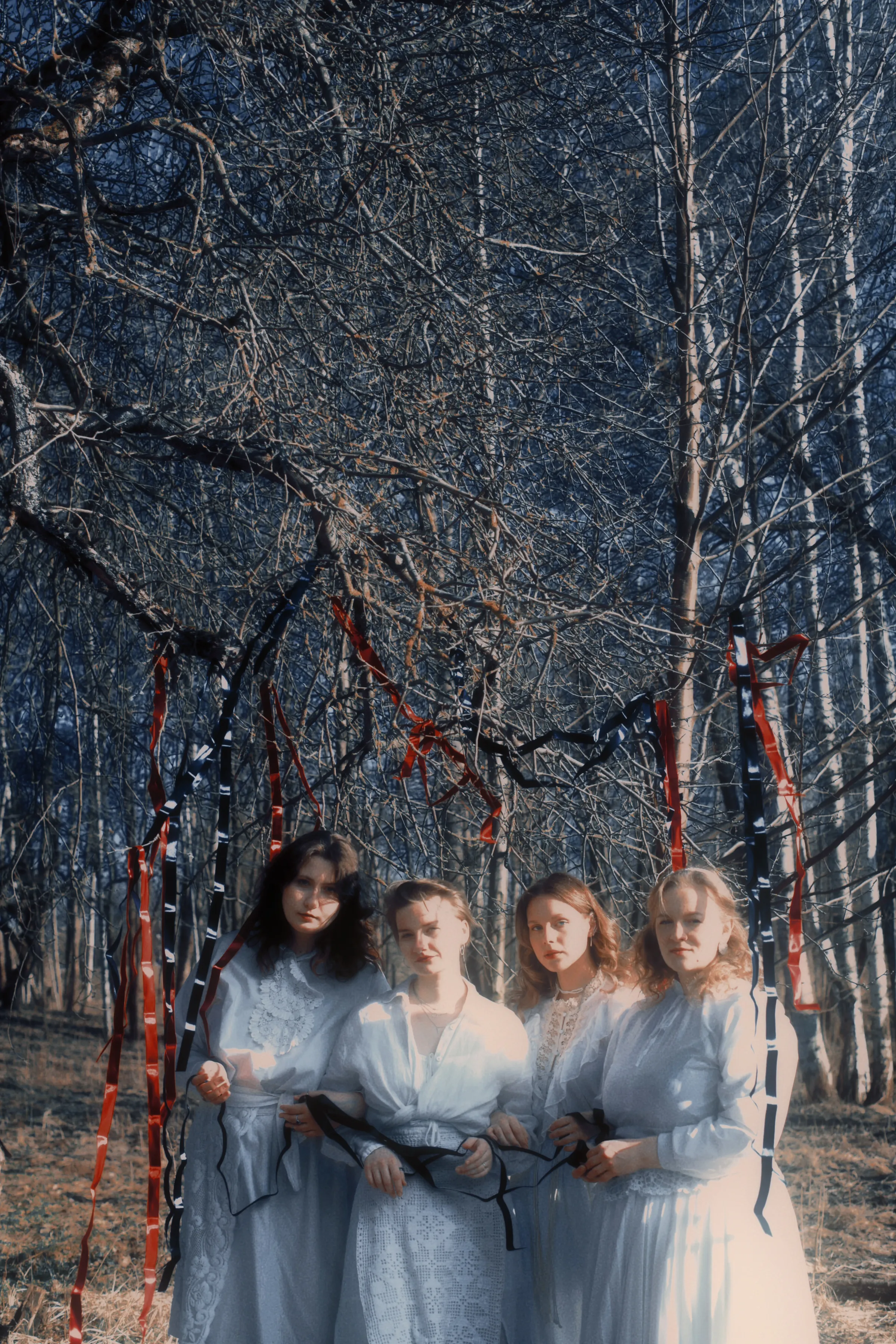
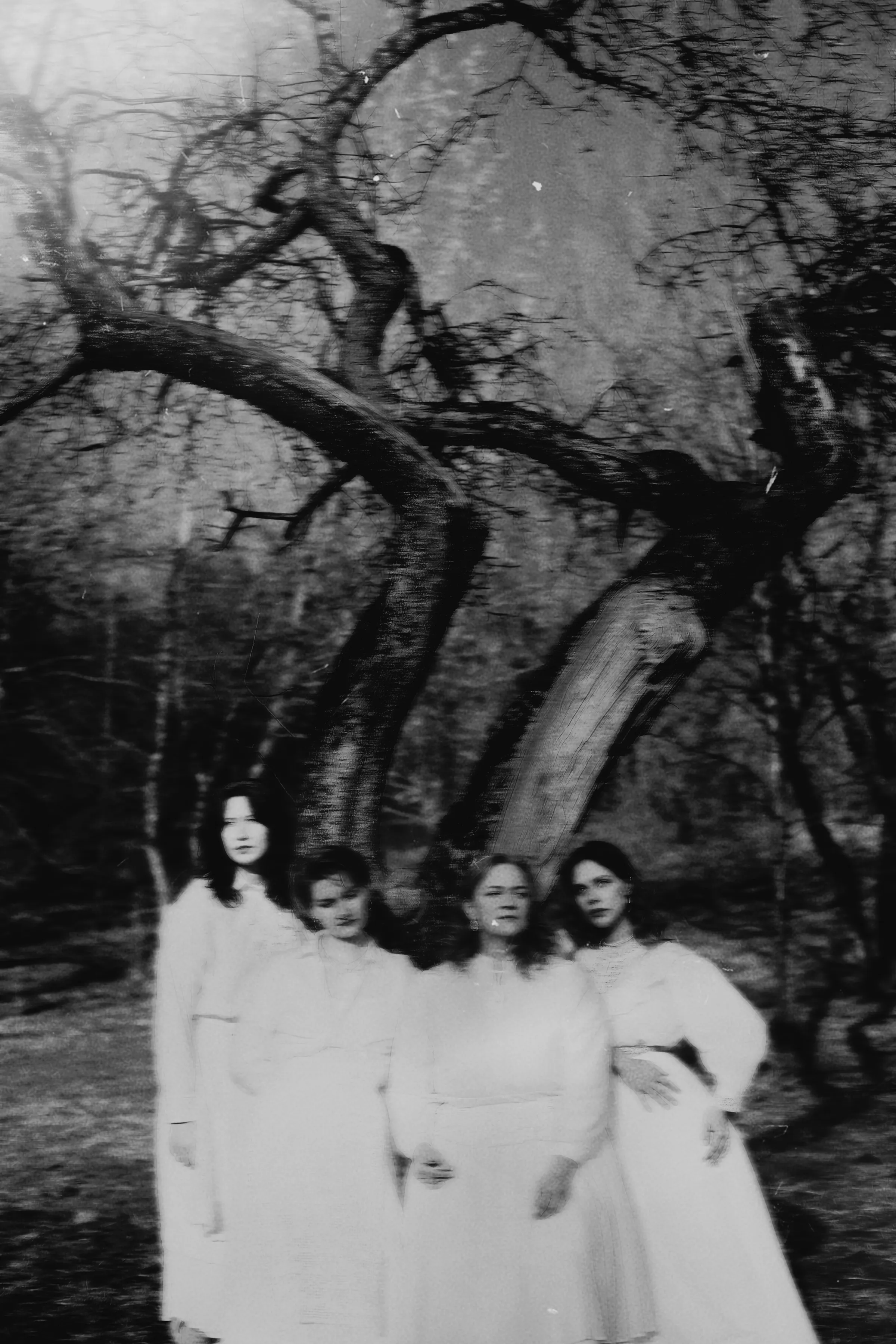
This is my author's project, where I experiment with folk songs. In addition to working on the songs, I sing and play the violin. I'm joined by Nastia Shapchyts and Liza Karziuk, whom I met through Spiewna Majsternia. On cello, we have Hania Tarabas – she's a classical cellist but quickly picks up folk bowing techniques.
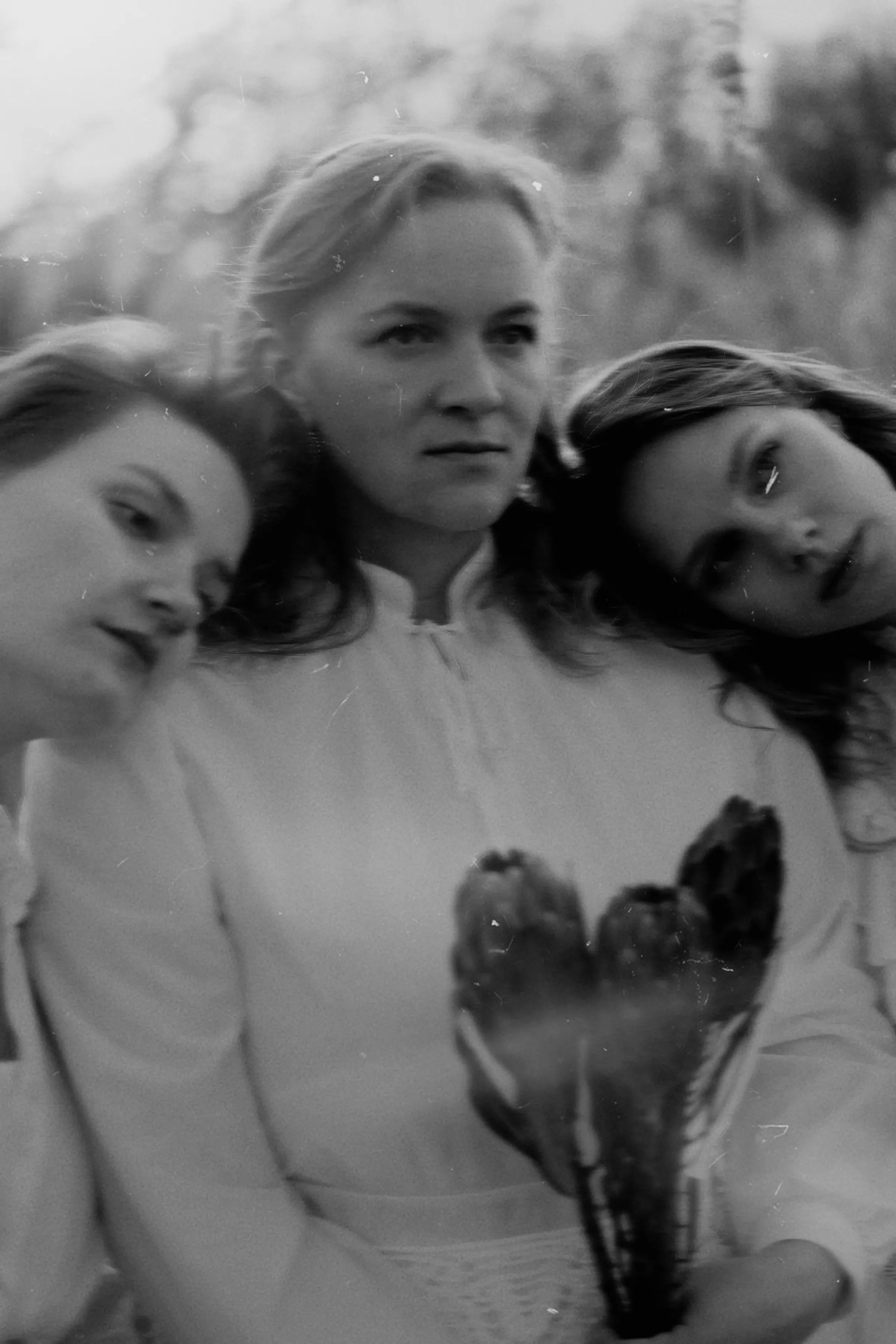
But Brama Mora isn't just the four of us. Under this project, I've already released an electronic track, "Ahu, Viasna" – for which Vincent Yanchy did the electronic arrangement – and together with Spiewna Majsternia, we released the song "Lia Kalodziezha."
I work with folk material very delicately. I try to respectfully adapt to the song, to feel what it already offers me through its inherent form, melody, and tempo-rhythm. I try to update it through my own feeling, adding instrumental parts and rhythm, while preserving the melody, lyrics, and dialect. It's a bit like renovating an old grandmother's house.
Recently, I really enjoyed working with lightowy. Lyosha proposed that I do a feature for his track "Svetlae nefiltravanae" for the Sviata Fest in Minsk in June. For me, that song is truly about light, hope, and a breath of fresh air. That's how I found the harvest song "Da pavei vetro," which matched that feeling perfectly, and I simply "fit" it into Lyosha's track. It turned out mind-blowing.
– In the project description, you often write about "your inner sea" – what do you mean by that?
It's about personal depth, where I sometimes retreat to recharge. When you have a connection with yourself and trust yourself, you're always at peace. But I don't stay there long. I like to feel the waves of life, its movement, which forces me to change and not become rigid.
– You were part of the project Ralla. What, in your opinion, happened, and why did you break up?
Editor’s note: This interview reflects only one side of the situation. Our editorial team does not take sides, but gives the interviewee an opportunity to share her perspective on the situation and its causes.
We had a difficult separation. It's still painful for me to talk about it.
After Aliona moved away, I long held onto the belief that our project was still alive and that we would continue to do joint performances and create songs together. Aliona and I talked about it, and verbally it seemed that would be the case. But in reality, she had other plans that no longer included our joint project.
It was very painful to hear on Instagram that Aliona was performing a song we had started developing together. I suggested we talk, so we could clarify the boundaries of our shared repertoire and what we planned to do with the project going forward. But unfortunately, it turned out that was impossible: Aliona said that talking only complicated things and went silent for six months.
During that entire time, we were only in contact about recording songs. Anything else was impossible to discuss with her. The only thing we managed to agree on was that I could sing Ralla's songs at my own performances. I wanted the songs to keep sounding, for people to hear them and sing along, including at concerts. While I was agonizing over Ralla's future, Aliona was building her new project. It was only after she announced the release of their album that I realized Ralla had been dead to her for a year already.
"I believe you should always talk things through with the other person. Conversation eliminates unnecessary questions and preserves the mental health of both sides."
– What do your projects mean to you personally?
That's how I experience life. When I'm in a project, I feel it very personally. It's my way of living, my self-fulfillment.
BLITZ
– Which Belarusian song or poem resonates with you the most?
"Yak paidu ya na vlitsu pahulyats" – this is a song from Rychow, and I have a lot of personal thoughts tied to it.
– Advice for those just starting their journey into Belarusian traditions.
Don't be afraid – it's not as scary as it seems. Just move forward. Do what you feel.
– Whom from the Belarusian music scene would you like to collaborate with?
Right now, Laitovy. I also dream of making an orchestral version of my songs, so – Lightmyfire Orchestra Service.