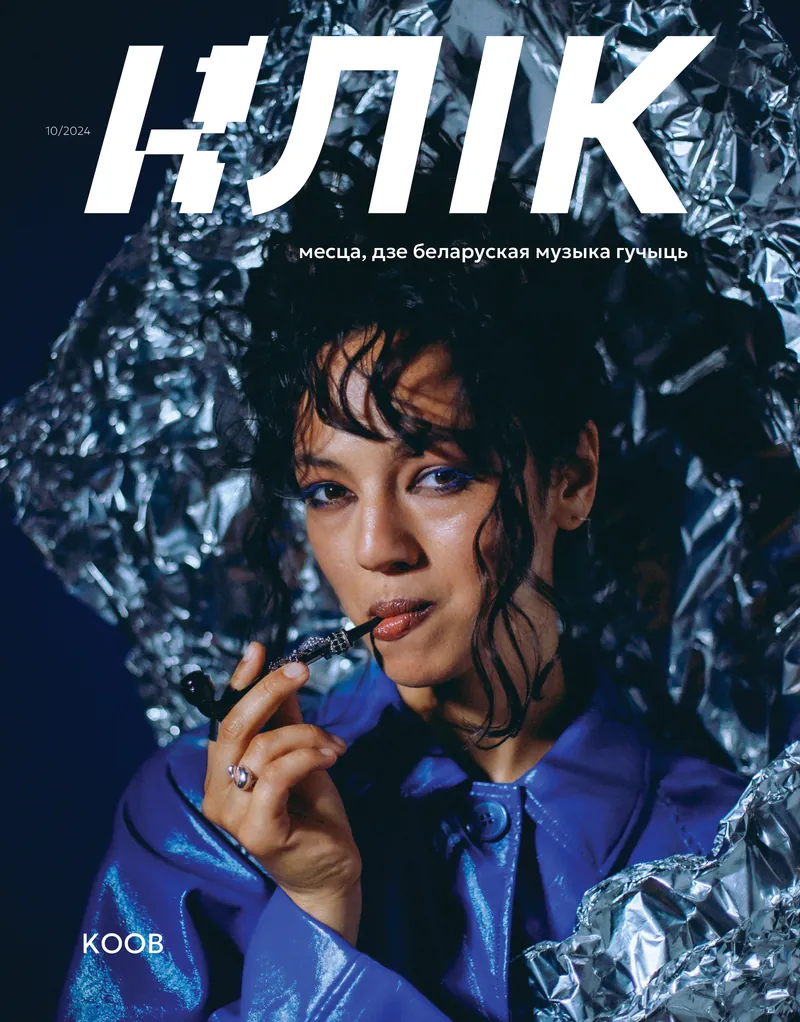
"We’re not looking for a reason to pick on who is the ‘right’ Belarusian and who is not"
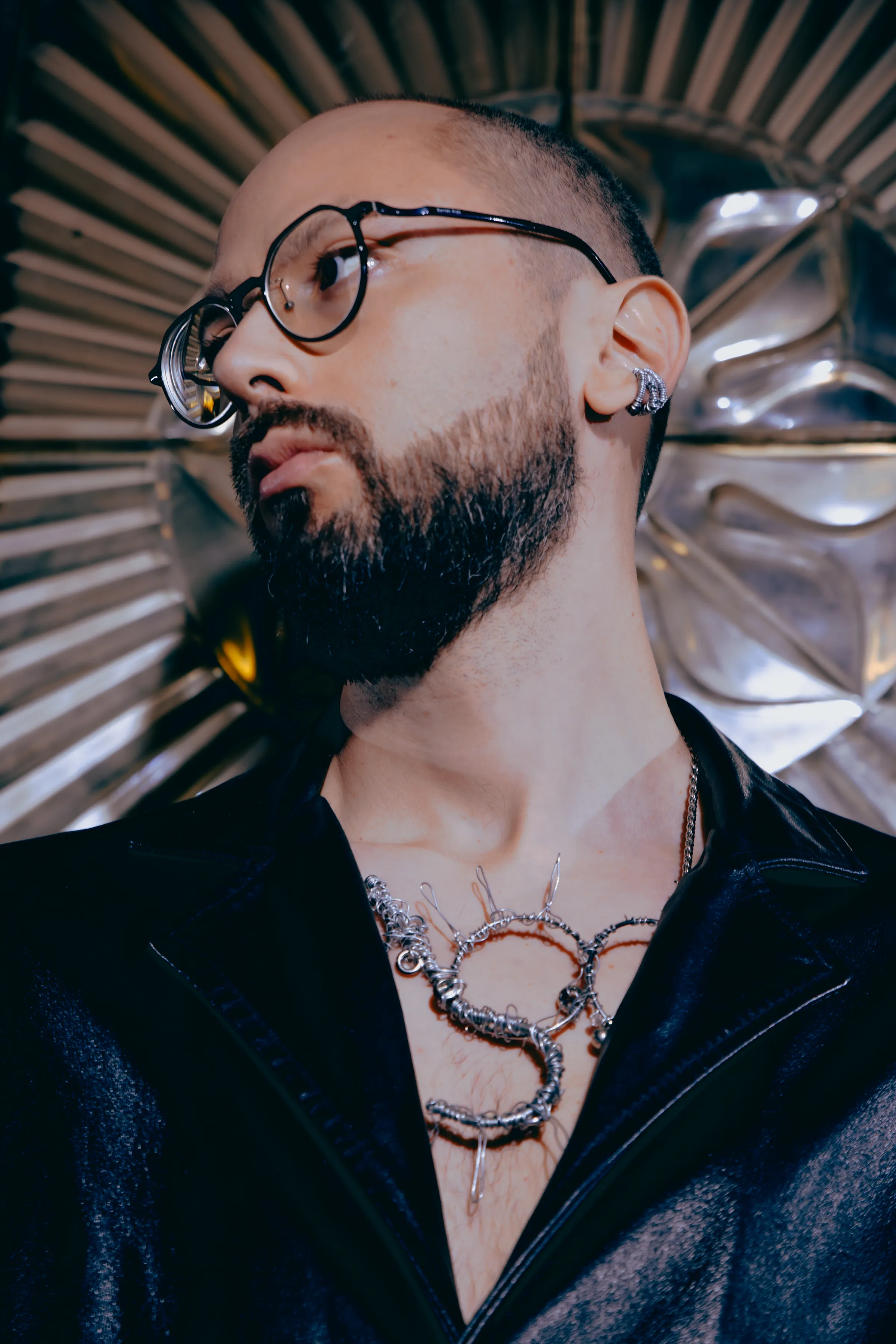
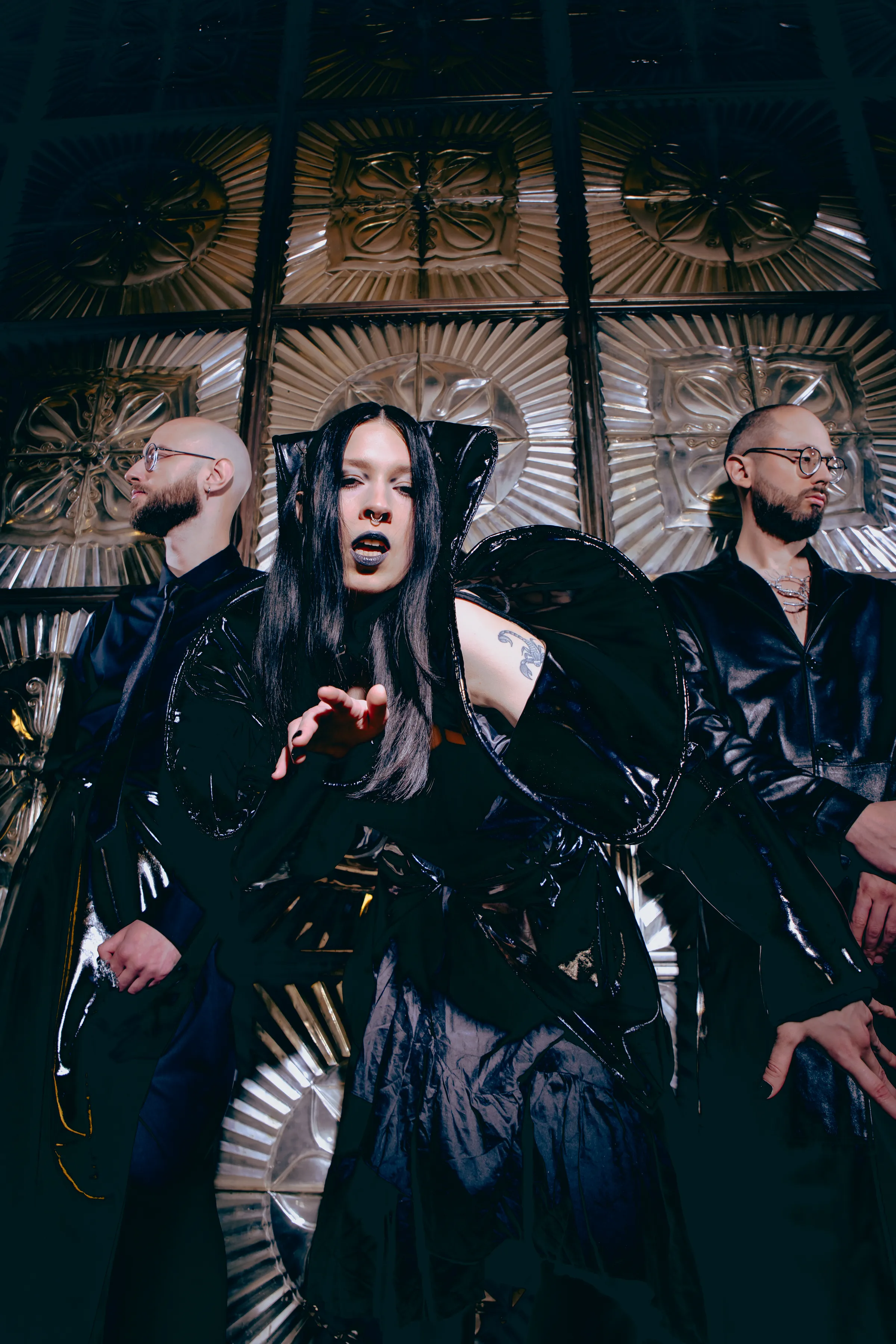
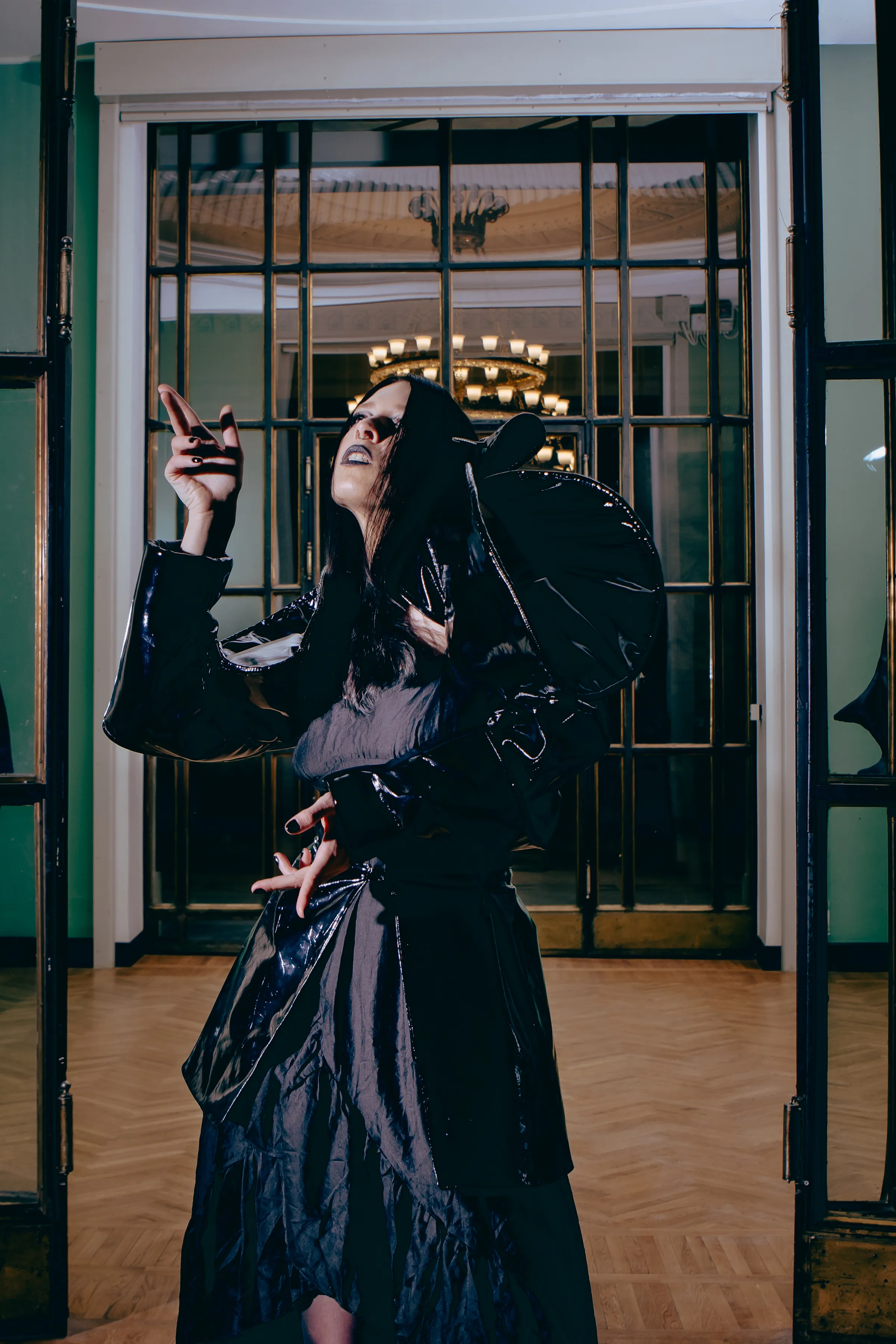
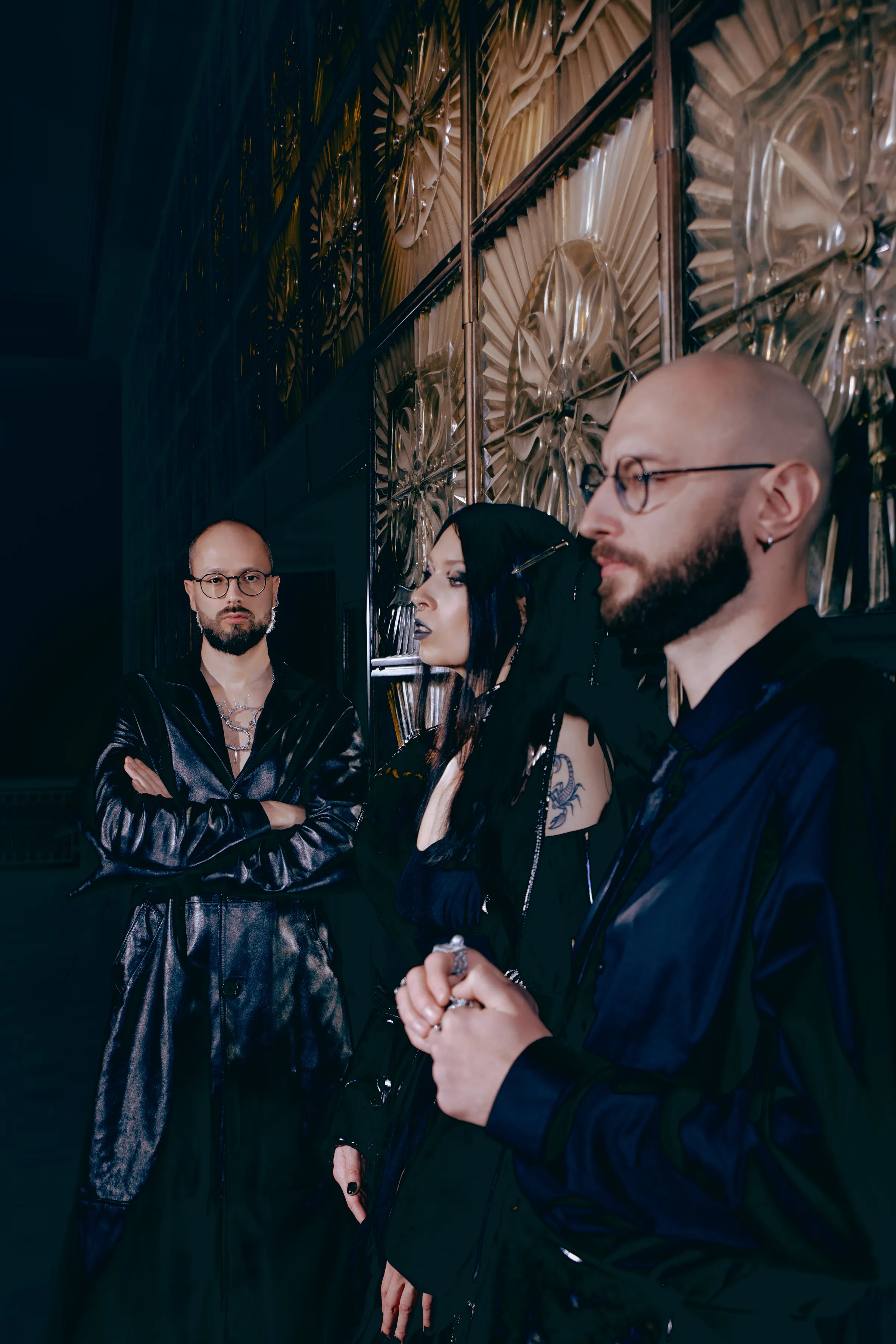
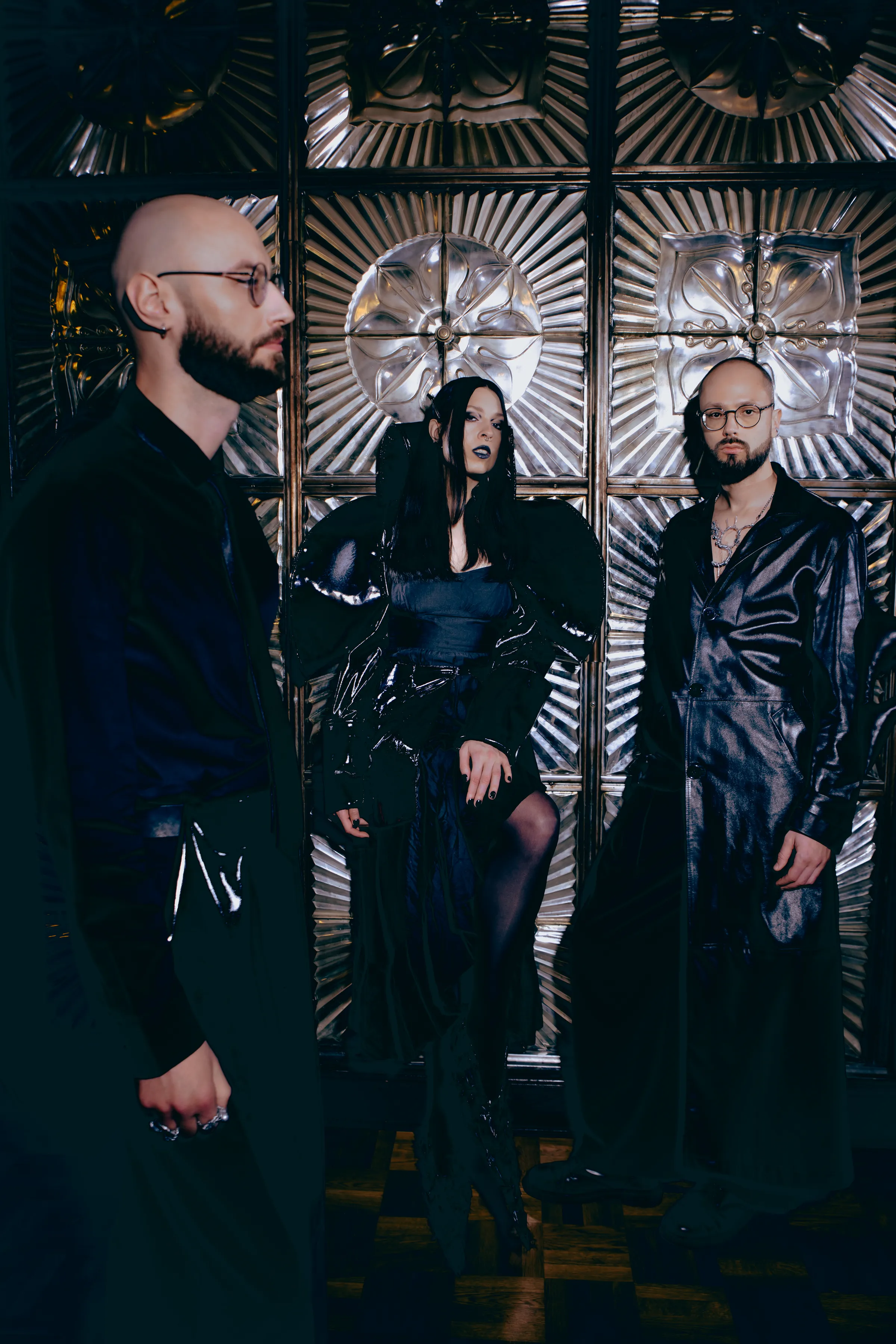
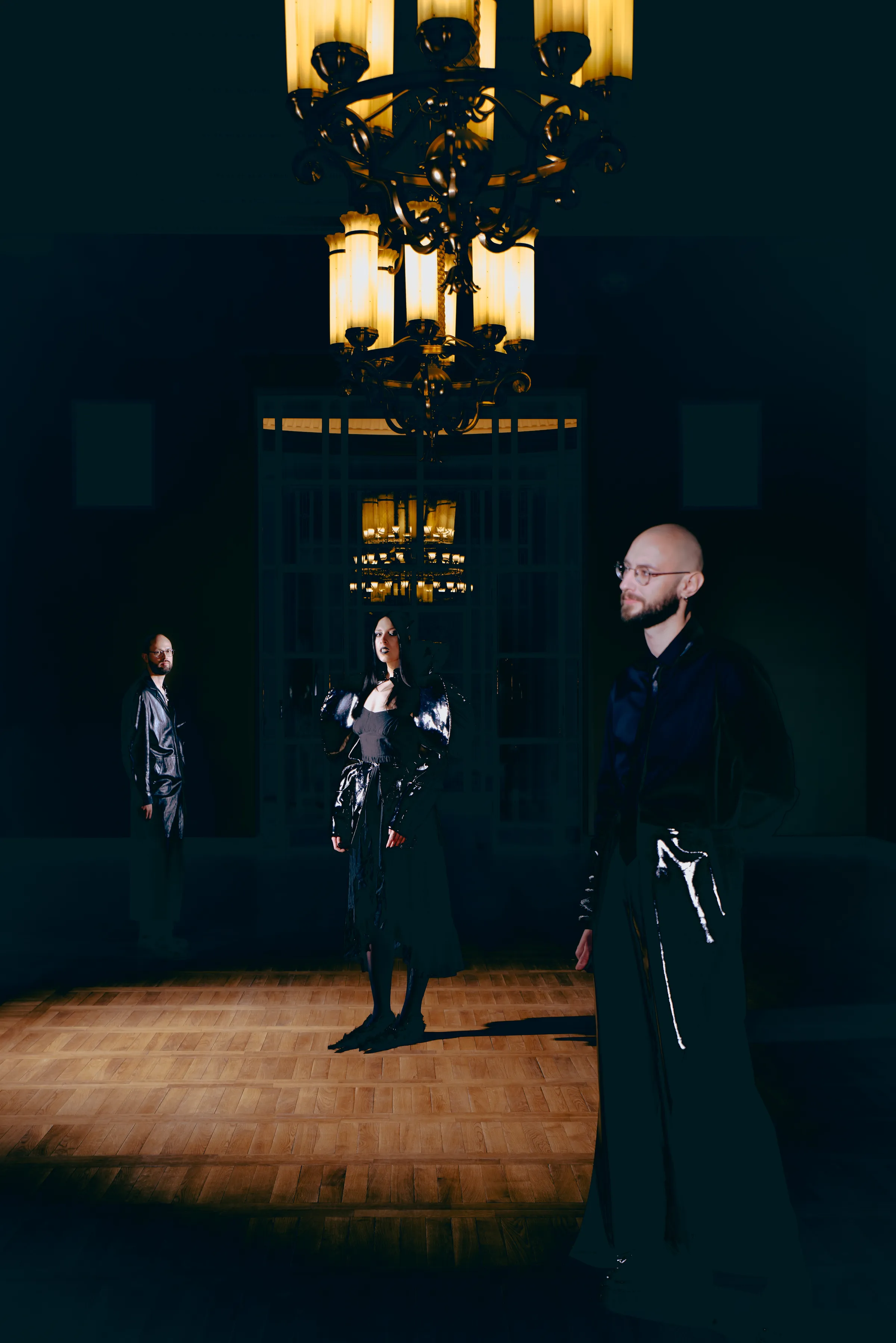
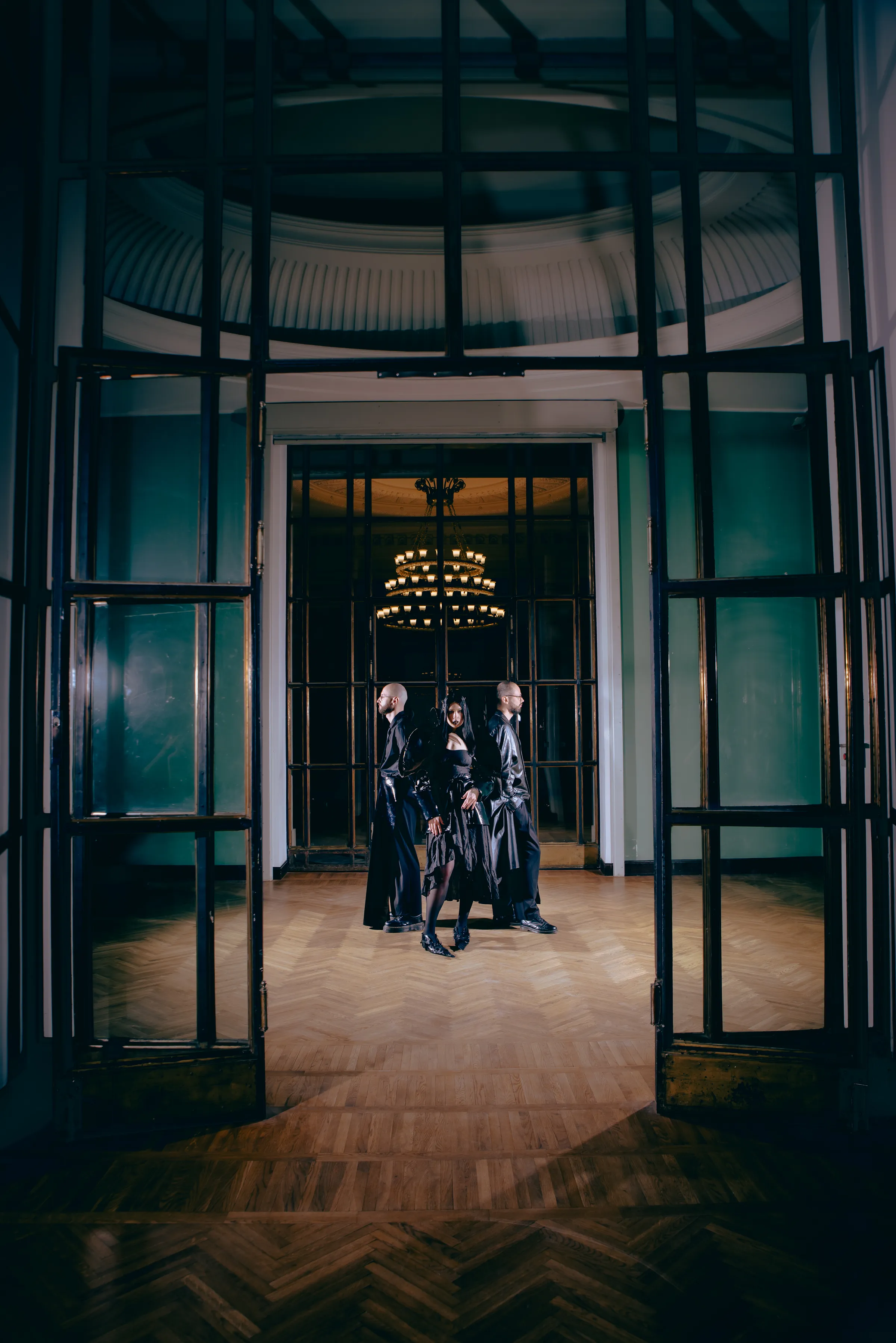
Dlina Volny interview and photo shoot
"Showing yourself is the key factor"
On what Belarusian music needs to become more visible on the global stage.
Interview - Dlina Volny - August 30, 2026
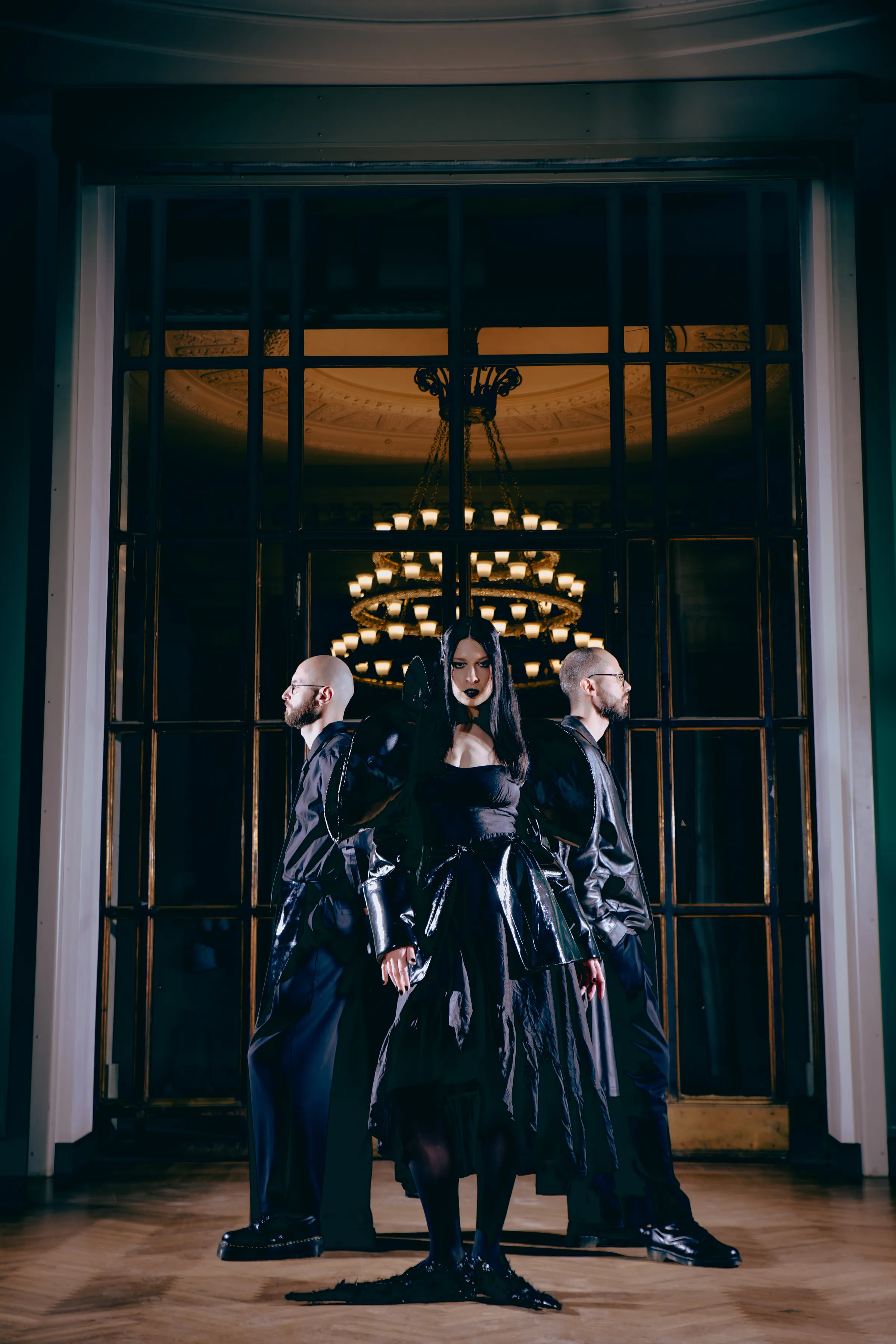
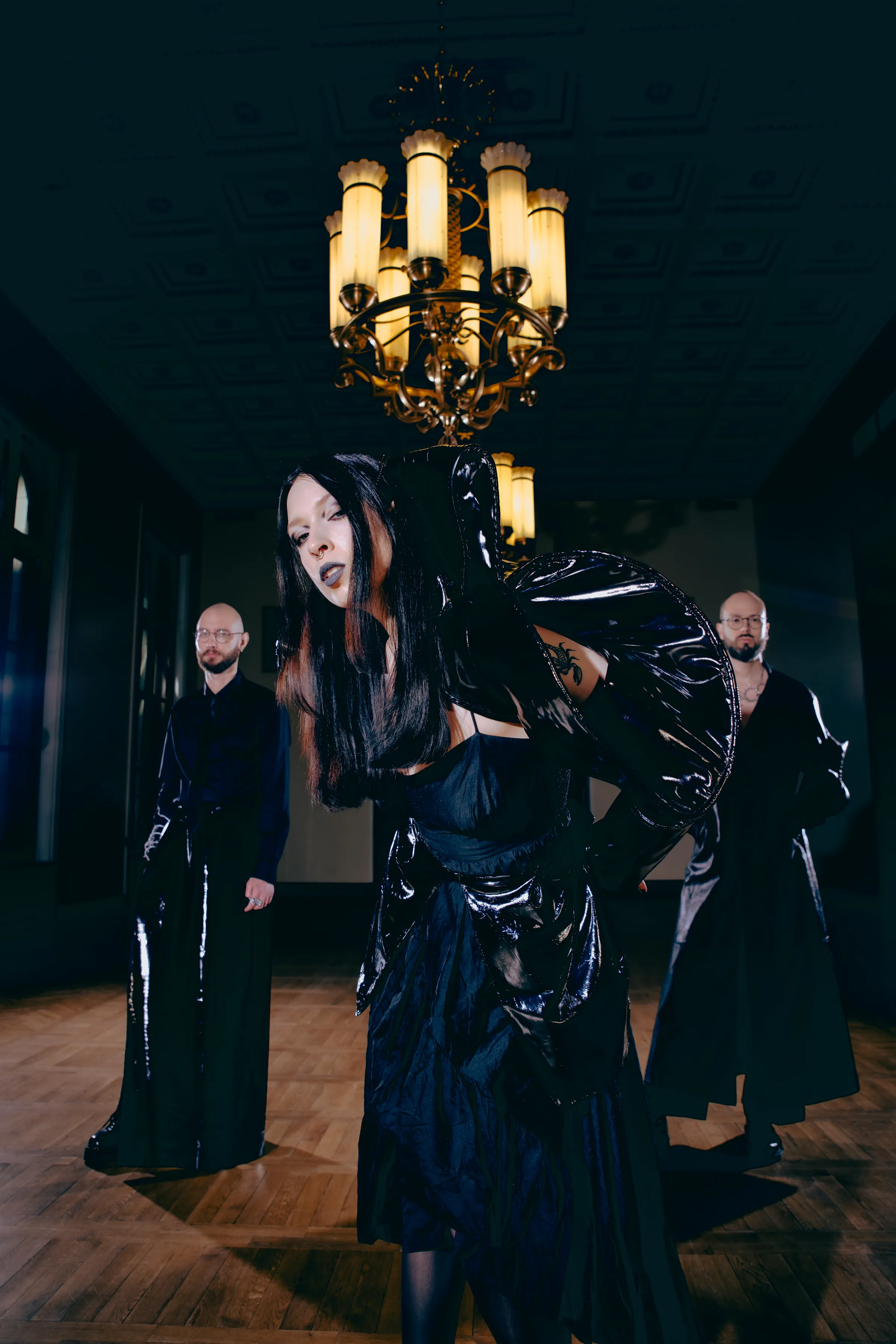
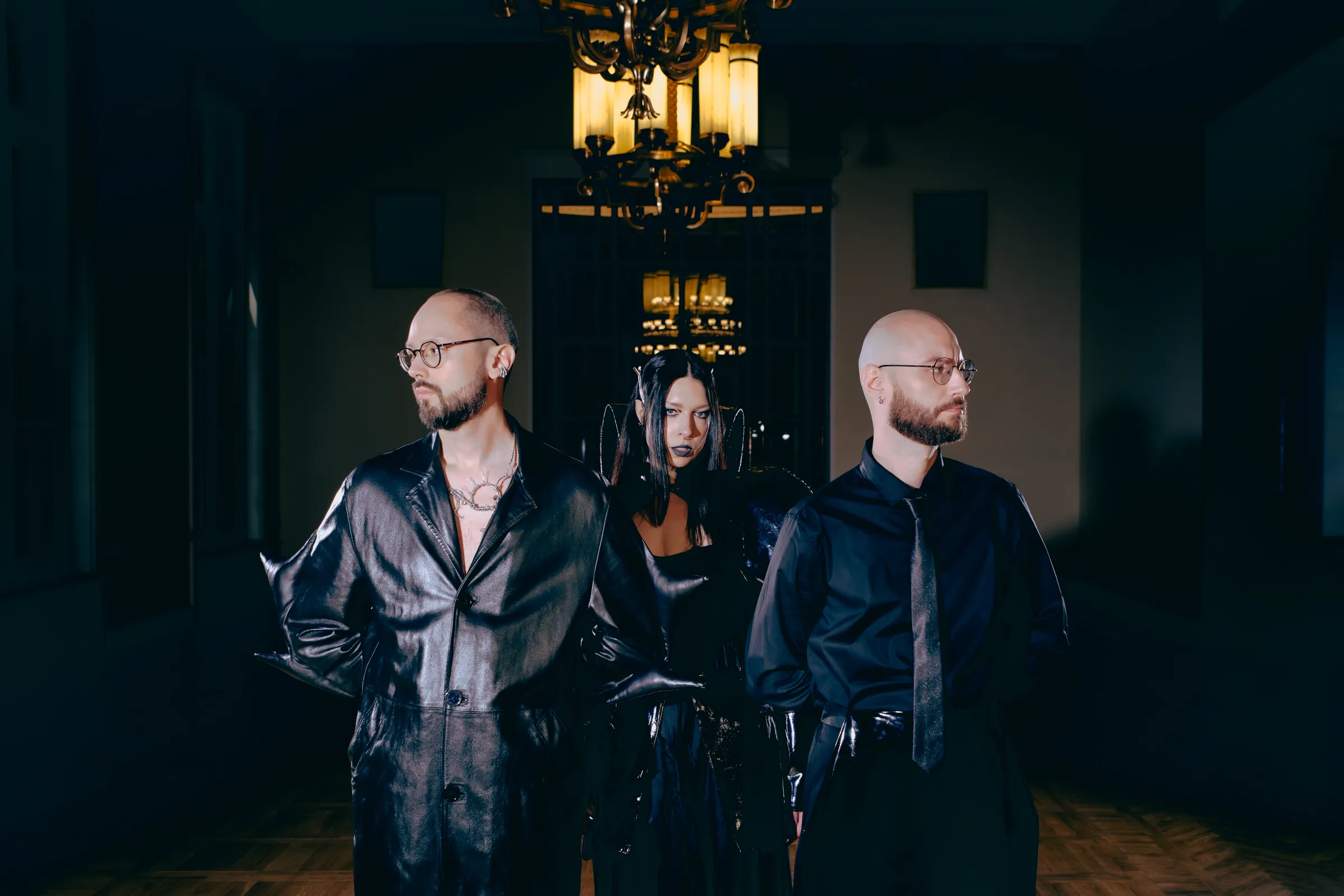
Over the ten years of its existence, the Minsk cold‑wave band Dlina Volny has signed with the label Italians Do It Better – home to Chromatics and Desire, whose music you can hear in the cult film Drive. The band has also toured Latin America with Lebanon Hanover and signed a publishing deal with the British company TRO Essex Music Group.
KLIK spoke with the musicians about identity, how architecture influences their creativity, fighting AI‑generated tracks on streaming platforms, and why Belarusian music is not only about language.
— Tell us about your deal with TRO Essex Music Group.
Masha Zinevich, vocals: They have a huge catalogue – from David Bowie to Black Sabbath. It’s cool to be in that company. They’re expanding their catalogue with new names, and they liked our dark electronic sound. They said our music stands out from their main catalogue, so we fit well into various projects.
— How are your relations with the label now? What is the label for an artist today?
Masha: The label’s role has shrunk a lot. More and more functions are being taken over by the artist’s own team. Today a label is mainly about distribution and public image. The way we signed in 2020 and now – these are two very different kinds of relationships.

— Everything is being simplified now, and post‑punk has been branded with this image of “panel‑block chthonics.” How do you feel about reducing everything to two or three clichés?
Masha: You can work with that in different ways. If the result makes you feel not just the smell of an old panel building but also something beyond that – that’s great.
Vad Mikutski, bass guitar: This has become a recognisable brand. There are people who are only interested in that superficial layer, but there are also those who take a step further – they’ll check who the band is, what the scene is, and discover much more. That’s how modern media and social networks work – it’s an easily digestible and popular format. That’s the time we live in.
— Has it become much harder to work in the era of AI slop and information overload?
Vad: We haven’t really felt the negative impact of AI yet. In production, AI is being integrated into software – there are plugins that make routine work easier. Real creativity and the compilation of ideas still remain with humans. Yes, there are AI artists, but so far it sounds like generic content.
"There has always been demand for “radio chanson” – well, now AI will make it, okay"
Vad
Ales Shishlo, keyboards: There was one case: some guy released a post‑punk track generated by AI and attached several artists as co‑writers, including us. We had nothing to do with that release, but we’re still listed as a collaboration on streaming platforms.
Vad: No‑names often use this for PR – they tag themselves as features with relatively well‑known artists, and the platforms don’t verify the line‑up. Removing yourself from such releases is extremely hard – the artist themselves has to push for it.
— Alongside the growing amount of content, there’s also a rising demand for physical formats. Do you feel that?
Vad: Vinyl is the foundation. Now there’s a new wave of interest – record players have become affordable. For an artist, it’s a chance to connect with fans, release a beautiful design, and sign records after a show. We always pay special attention to the design of our merch – from the inserts and vinyl colour to easter eggs and hidden messages for listeners.
Masha: In Germany, they still love CDs. A few years ago on tour we only had vinyl and T‑shirts, and listeners kept asking about CDs. We got the message, and now CDs are a mandatory part of our merch. Cassettes sell too.
Ales: Listening to music on physical media gives you a deeper immersion. You listen to the whole album, not just a single hit from an algorithmic playlist. Digitisation reduces everything to likes and short hook‑driven content, whereas on physical formats you perceive the recording as a single piece.
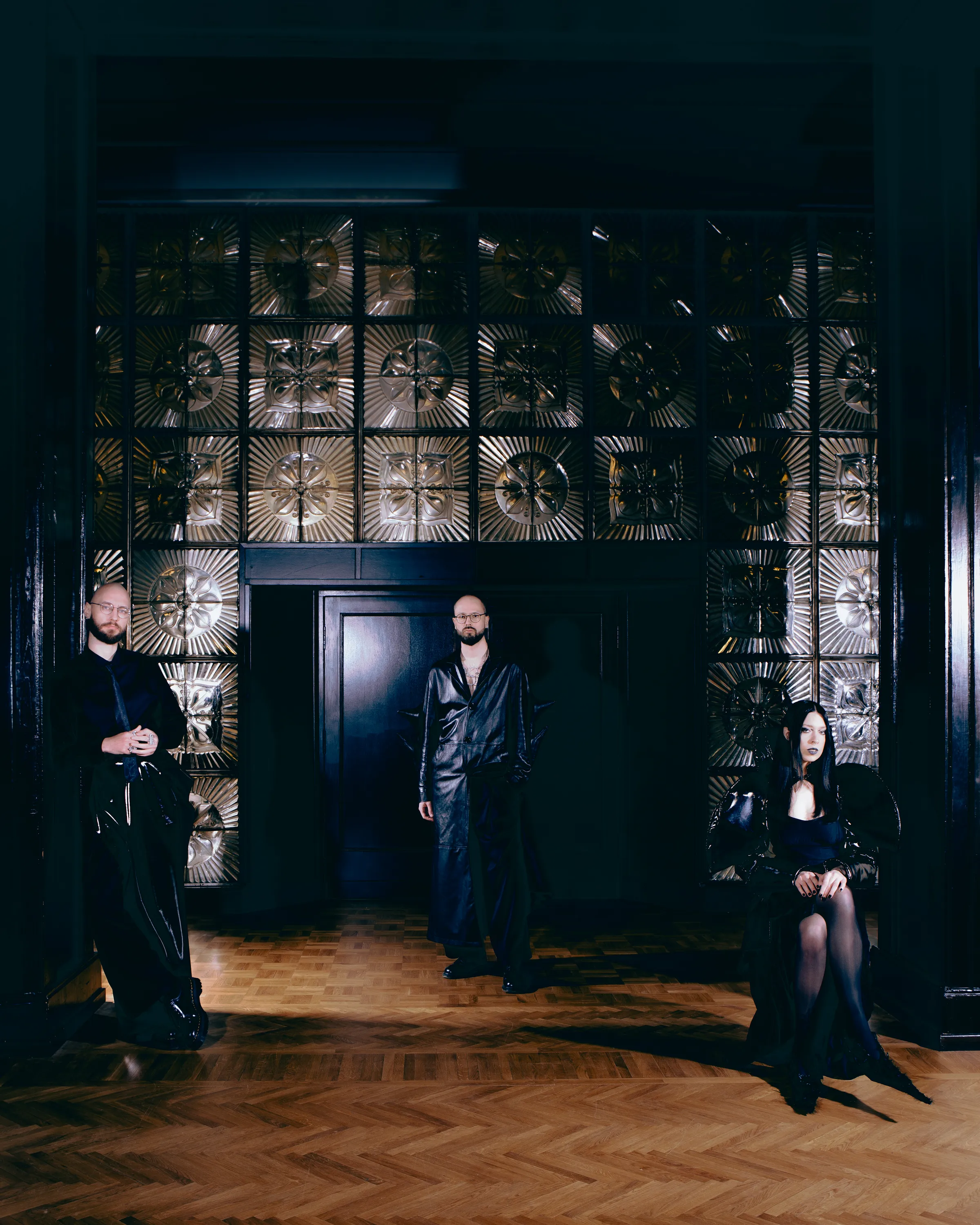
— Tell us about the inner workings of the band. Who does what?
Masha: Operations are handled by our manager. We run social media ourselves, we make Reels and visuals in‑house. Ales is a designer, so we discuss the concept and visuals together. In music, I handle melodies, lyrics and vocals. Vad and Ales handle production and instrumentals.
— How do you deal with your inner critic?
Ales: Over time we’ve learned to live with it. Now we have a clear sense of when a demo has a core worth developing – and everything else can be discarded.
Masha: And those discarded melodies later turned into separate tracks. After a while we re‑evaluated them, and they became great pieces.
Ales: While working on the last album, we found old demos that turned into our favourite tracks. Apparently, some music just needs time.
Vad: Sometimes you can’t see how to develop an idea in the moment, but time lets you look at it with fresh eyes. So our advice: never throw away your demos.
— Do you often struggle with procrastination?
Masha: I’d say there are moments of demotivation – I wouldn’t call it procrastination. When you’re demotivated, it’s hard to pull yourself out, but you just have to get up and do it.
Ales: When we lived in Vilnius, the studio was nearby, and we had a rule: every evening we go to work. Whether we had ideas or mood – we just went there.
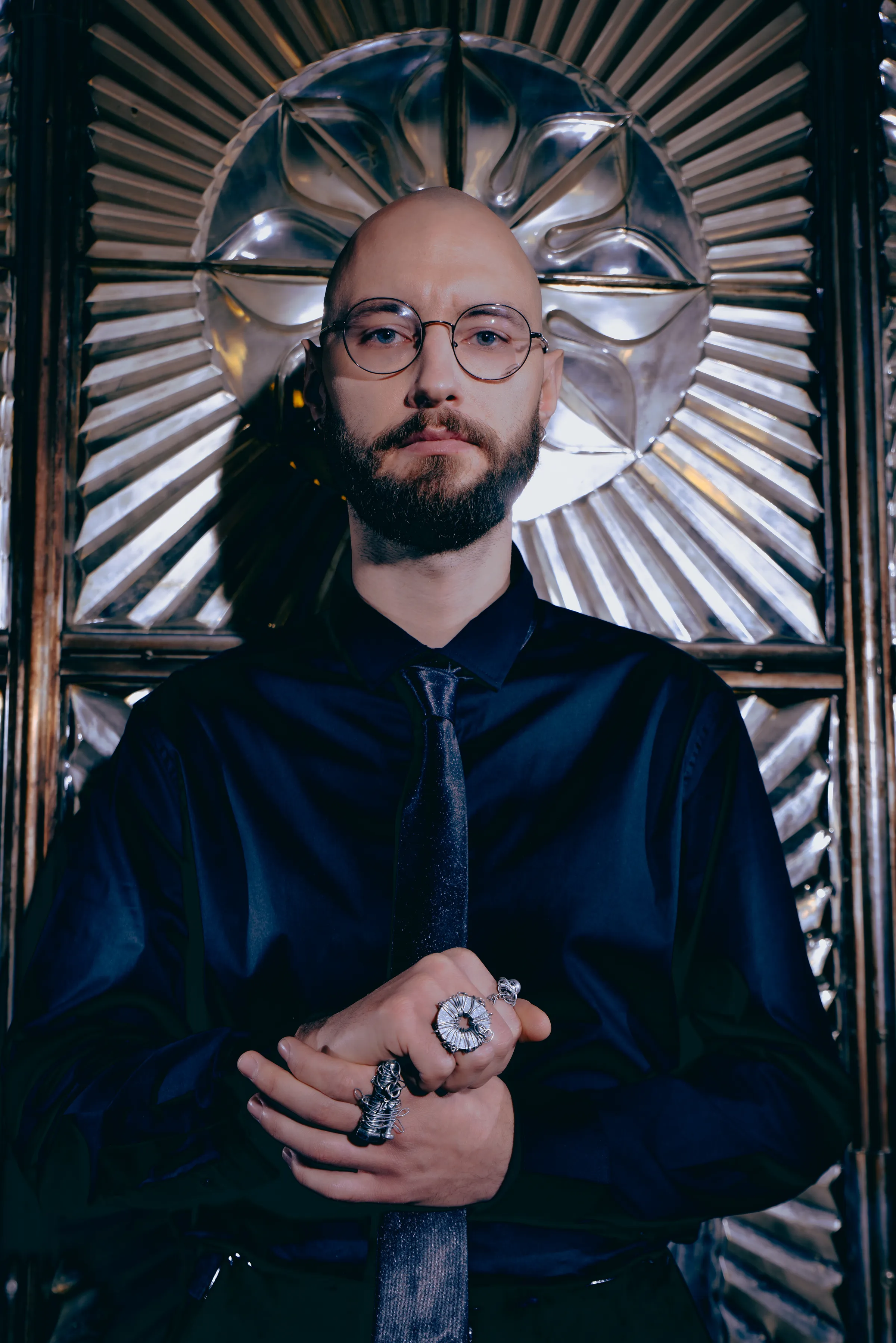
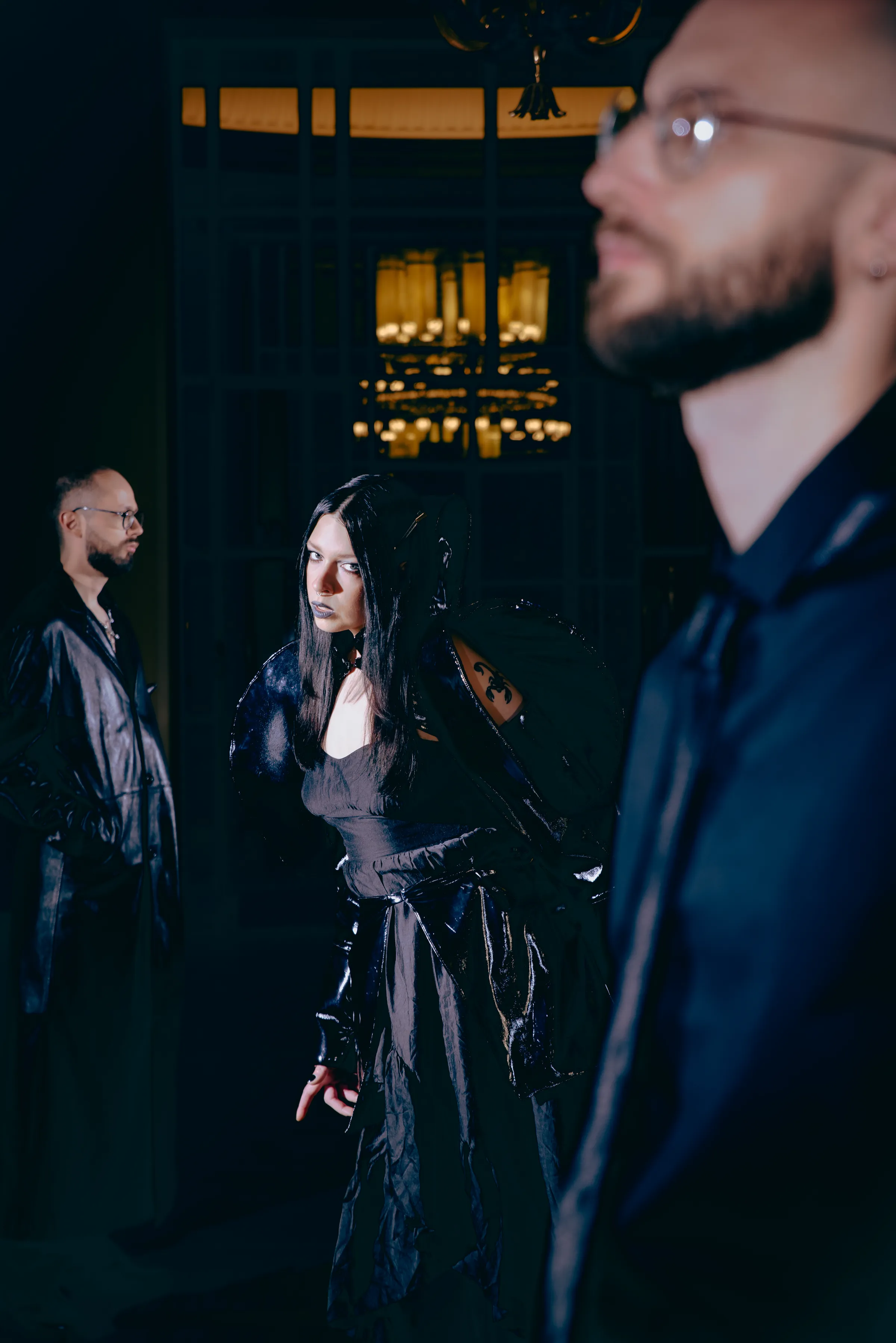
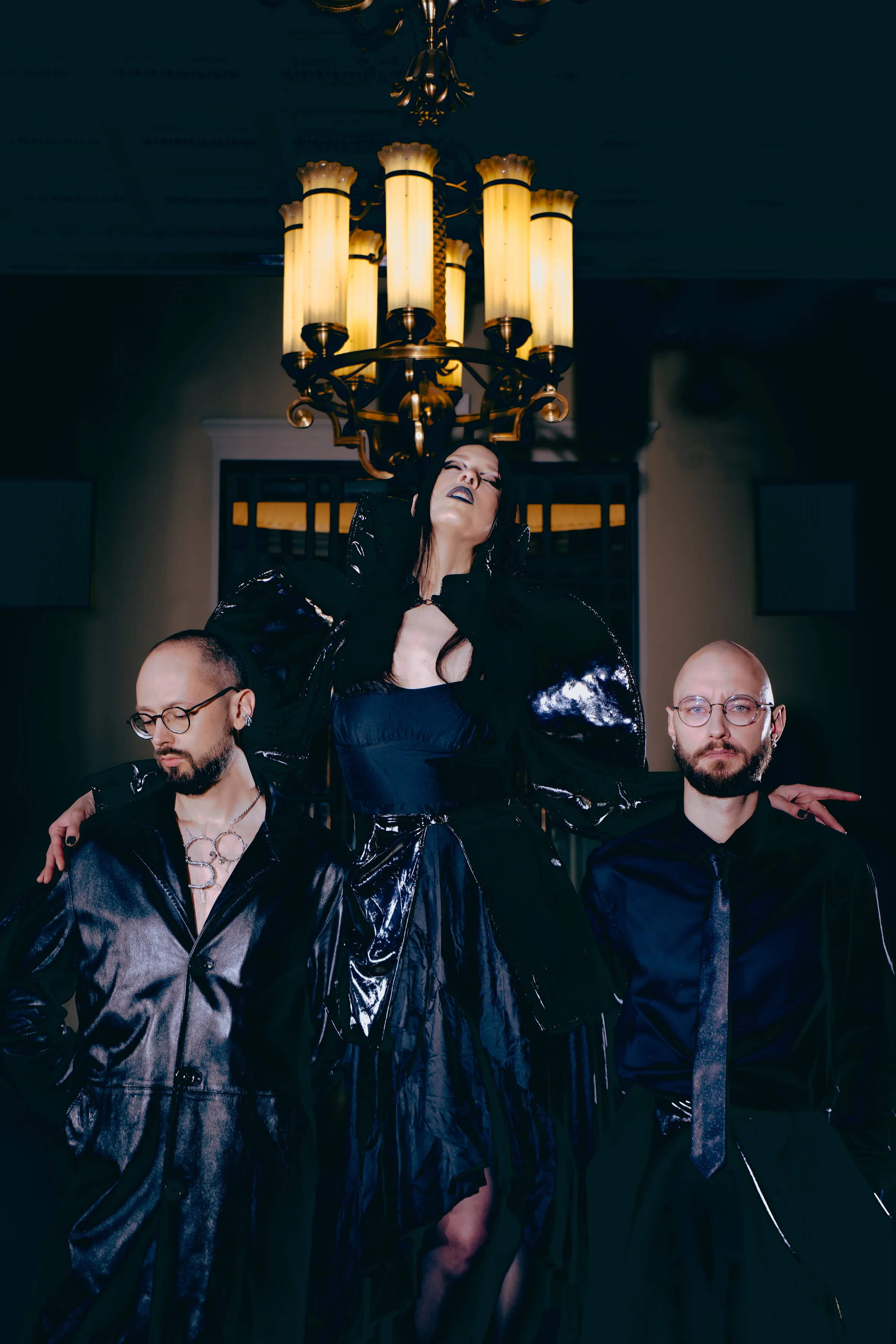
Masha: It helps to talk things through, share what’s bothering you, and pull yourselves together. This is our favourite thing to do, and you realise: if you do nothing, nothing will happen. You need to remind yourself of that from time to time, stand up and do it.
— Does criticism demotivate you?
Masha: I think criticism is great. I don’t see anything bad in it – on the contrary, I like it.
Ales: It’s an indicator that someone had an emotion. Even if the criticism is super nasty. Art should evoke emotions, otherwise it’s bad.
— How did your tour with Lebanon Hanover come about?
Masha: It was amazing. A booking agent in Latin America wrote to us and offered to go with them. We love their music, so we agreed right away. The Mexicans gave us an incredible reception – a life‑changing experience.
The agent explained that Mexicans have a tough life, so they relate to this kind of music, plus there’s the exoticism and their culture (the cult of death, the Day of the Dead). Their seemingly upbeat music turned out to be full of heartbreaking stories. For us, that trip was a mind‑opener.
— What is the phenomenon of Belarusian post‑punk? Why are bands popular in the West but less known at home?
Masha: Good question. At our tours, most concert‑goers are not Belarusians. Overall, our biggest listenership is in the US, Mexico, Germany, the UK and Poland. We’re always happy to see compatriots at shows. But at home, not that many people know us, and I don’t fully understand why. Maybe the domestic audience now has a stronger demand for Belarusian‑language music.
Vad: Perhaps our sound feels too familiar to us – we grew up on bands like Kino, so it’s nothing new. For the West, it’s an element of exoticism.
— There’s a common argument that Belarusian music must be in Belarusian, otherwise it’s not Belarusian music. What would you say?
Vad: It’s simple: Belarusian music is music made by Belarusians. We have a different point of view, and it’s more unifying, stronger, and – if you like – more Belarusian. We’re not looking for a reason to pick on who is the “right” Belarusian and who is not. These are not the times for that – on the contrary, we should be finding points of connection. We are from Minsk, we are Belarusians – that’s part of our identity and history. It’s built into us, and no one can take that away.
"Nobody will open the door if you don’t knock"
Masha
Masha: The settings we grew up in – half‑ruined buildings, not‑so‑pretty landscapes – all that atmosphere is woven into our music. That element exists in all Belarusian musicians, and it’s exactly what sets us apart on the world stage. At some point we started seeing beauty in it – we noticed that architecture again in Warsaw and everywhere we travel. That romanticised brutalism is strongly felt on our new album.
— What does Belarusian music lack to become more visible on the world stage?
Vad: We lack a local industry and a “home” – a base where it can grow quietly. Entering the global market is the next step, and without a home scene, it’s very hard to break through.
Ales: I have a different take: you need to take your music out and show it. The Lithuanian industry works great, but outside the country, Lithuanian musicians are almost unknown because they rarely tour abroad. Showing yourself is the key factor.
— How much do showcases help musicians?
Masha: A showcase works only if you have meetings planned in advance. Going just like that, without a plan, is not a great idea. As my grandmother used to say: “If you don’t knock, they won’t open.”
Ales: One of our contacts from a showcase only worked out three years later, but it immediately led to two festivals. The main advice to artists – don’t be afraid to write to organisers and look for direct connections. It really works.